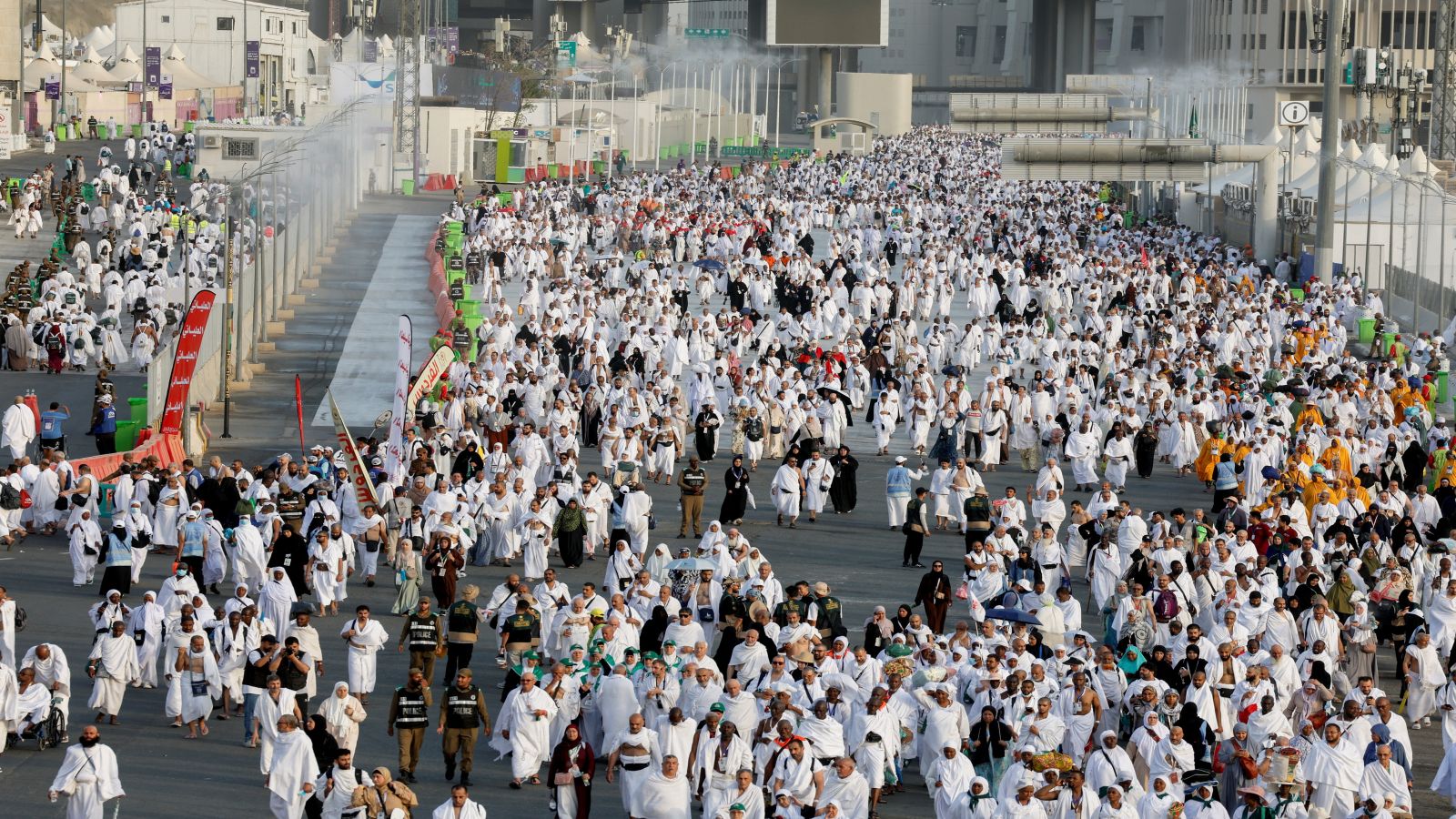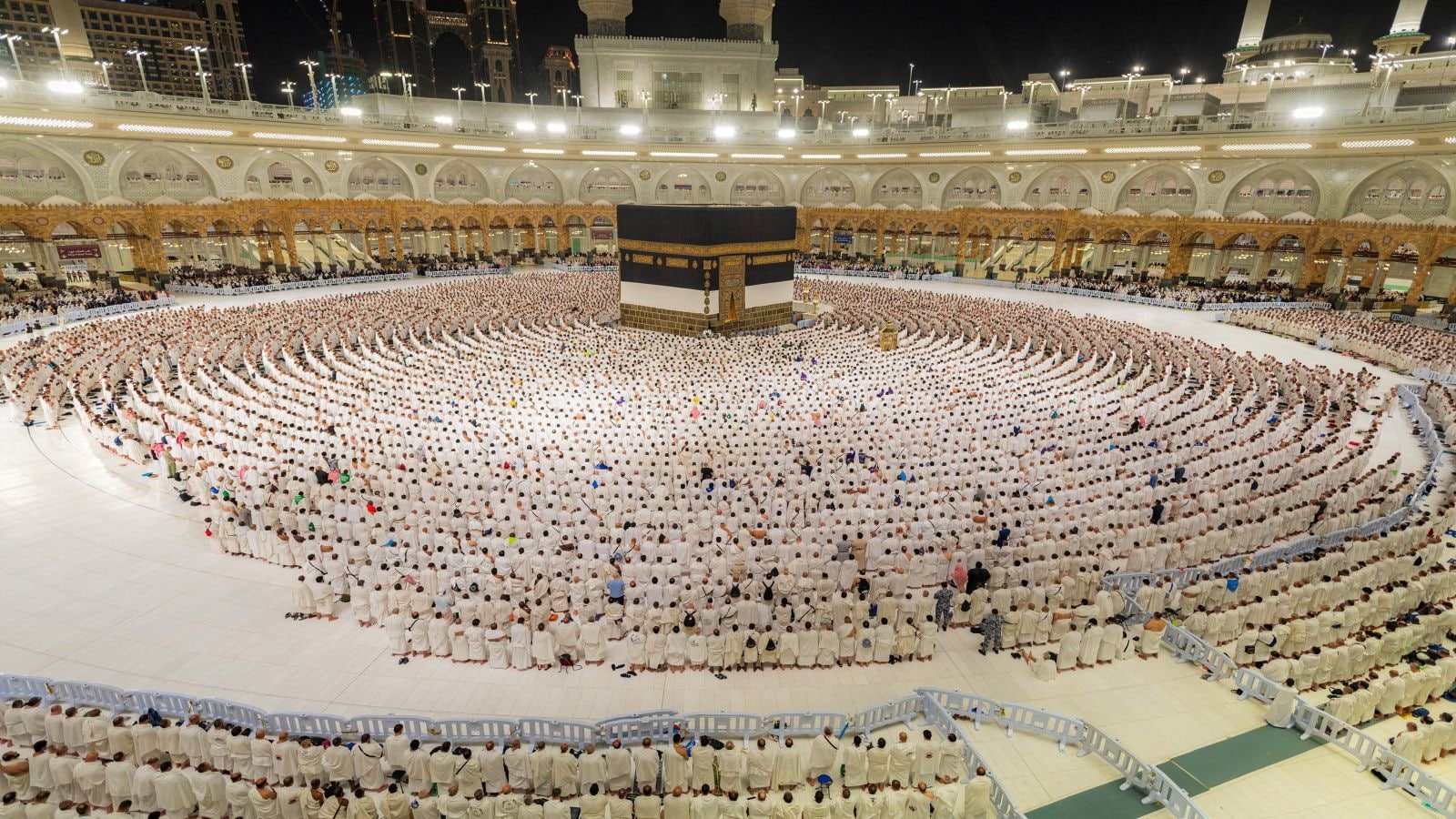
The physical toll of Hajj is something you can't truly grasp until you're standing on the plain of Arafat, surrounded by a million people, with the sun beating down like a physical weight. Saudi Arabia's National Center for Meteorology just issued a stark warning for the 2026 season. Temperatures in Makkah, Mina, and Arafat are already climbing toward 47°C, with midday spikes threatening to hit 50°C if the wind dies down.
If you think you can just push through it with sheer spiritual willpower, you're making a dangerous mistake.
Over 1.5 million pilgrims are on the ground right now. The reality of performing these sacred rituals in May means the environment is a high-risk thermal zone. Sweating doesn't cool you down effectively when the air itself feels like an oven. Let's look at what is actually happening on the ground, how to survive the peak heat days, and why changing your ritual schedule might save your life.
The Brutal Reality of the 2026 Forecast
This year, the calendar positions the major days of Hajj squarely in late May. The baseline temperature started around 40°C early in the month, but a strong thermal anomaly pushed the current daytime highs between 45°C and 48°C.
Arafat is the highest-risk zone for a simple reason. It is an open plain with virtually no natural shade. On 9 Dhul Hijjah, pilgrims spend the entire day outside from noon until sunset. The Royal Commission for Makkah City has warned that direct sun exposure during these exact hours will cause rapid, severe dehydration.
Mina presents a different kind of nightmare. The vast city of tents suffers from trapped heat and limited natural ventilation. Even overnight, places like Muzdalifah are staying trapped at 38°C to 42°C. Your body never gets a chance to cool down and recover, leading to cumulative heat stress that builds up day after day.
The White Umbrella Rule and Hidden Deficit
You'll see Saudi Ministry of Health officials practically begging people to use umbrellas. This isn't optional accessory advice. A white or light-colored umbrella reflects direct solar radiation and drops the micro-climate temperature around your head by nearly 10°C. If you walk out in the open without one between 11 AM and 3 PM, you're inviting sunstroke. Securing it to your wrist with a strap is smart so you don't lose it in the moving crowds.
Then there's the hydration trap. Most people think drinking a bottle of water when they feel parched is enough. It isn't. By the time you actually feel thirsty, you're already experiencing a fluid deficit.
You need to consume a minimum of 2 to 3 liters of water every single day, sipping small amounts continuously. But water alone won't save you from heat exhaustion. When you sweat heavily, your body loses vital sodium and potassium. If you only pump plain water into your system, you risk a dangerous drop in blood sodium levels. You must mix Oral Rehydration Salts (ORS) or electrolyte powders into at least two of your daily water bottles.
Leave the tea, coffee, and energy drinks alone for the next week. Caffeine acts as a diuretic, forcing your kidneys to flush out water faster and accelerating the dehydration process. Stick to water, ORS, and cooling foods like fresh fruit, yogurt, or light soups. Heavy, greasy meals require massive energy for your body to digest, which raises your internal core temperature. Low blood sugar also makes you significantly more vulnerable to fainting in the heat, so don't skip meals even if the weather kills your appetite.
Flipping Your Schedule to Survive
You don't need to do your outdoor rituals at noon. The Saudi Ministry of Health Heat Illness Management Guidelines actively urge pilgrims to avoid outdoor movement during peak daytime hours.
The biggest mistakes happen during the stoning of the Jamarat in Mina and the Tawaf al-Ifadah back at the Grand Mosque. Worshippers often rush to do these at midday out of habit or a desire to finish quickly. Don't do it.
Take advantage of the flexibility within Islamic jurisprudence. Shift your movements to the cooler window after Maghrib (sunset) or before Fajr (dawn). Walking several kilometers to the Jamarat pillars at 1 AM might mean losing a little sleep, but doing it at 1 PM could land you in a field hospital.
When you must walk during the day, look down. Authorities have coated major pedestrian pathways with specialized white, heat-reflective paving materials. These "white roads" reduce ground surface temperatures by up to 20°C compared to traditional black asphalt, drastically cutting down the ambient heat radiating upward into your body. Stay on these paths, utilize the 400 misting and cooling stations scattered across Mina and Arafat, and stop to rest in air-conditioned zones every 30 to 45 minutes.
Spotting the Shift from Exhaustion to Stroke
You need to watch your companions closely. Heat illness moves fast, and a person suffering from it often loses the mental clarity to realize they're in trouble. You must know the difference between the two main stages of heat sickness.
Heat Exhaustion
This is the warning phase. The body is struggling but still fighting. Symptoms include:
- Heavy sweating and cool, clammy skin
- A weak, rapid pulse
- Dizziness, headache, and mild nausea
- Weakness or painful muscle cramps
If you or someone next to you shows these signs, get to a shaded or air-conditioned area immediately. Loosen tight clothing, pour cool water over the skin, and fan them aggressively. Give them cool water to sip slowly. Do not let them get back in line or continue walking until they have completely recovered.
Heatstroke
This is a catastrophic, life-threatening medical emergency. The body's cooling mechanism has failed entirely, and the core temperature is skyrocketing toward 40°C or higher. Symptoms change dramatically:
- Skin becomes hot, red, and completely dry (sweating usually stops)
- Pulse becomes incredibly fast and strong
- Confusion, slurred speech, hallucinations, or erratic behavior
- Vomiting, seizures, or loss of consciousness
If a pilgrim exhibits these symptoms, call the Saudi Red Crescent ambulance immediately at 997. Do not wait. While the ambulance is navigating the crowded streets, move the patient into the shade, strip off excess layers of clothing, and pour water over their entire body. Fan them with anything available and pack ice or cold water bottles around their neck, armpits, and groin where major arteries run close to the surface. Never force an unconscious or vomiting person to drink water, as they can easily choke.
Your Immediate Next Moves
Don't wait until you get to the ritual sites to prepare. Take these concrete steps right now to ensure your safety:
- Program your phone: Save the emergency services number 997 right now. Download the official Saudi health apps that track the nearest medical tents and misting stations.
- Audit your bag: Put your white umbrella, at least four packets of ORS, and a small handheld battery fan directly into your daily carry pouch. If you are a man in Ihram, remember that SPF 50+ unscented sunscreen is completely permissible; apply it to your face, ears, and hands every two hours.
- Coordinate with your group leader: Sit down with your Hajj group operator and demand to know the specific times they plan to move the group for Jamarat and Tawaf. If they plan to march the group out at noon, refuse to go. Coordinate a safer, nighttime movement plan with a smaller subset of pilgrims from your tent.
Sacrifice and patience are core elements of Hajj, but unnecessary self-harm is not. Protecting your life and health is a religious obligation that takes precedence over rigid adherence to daytime schedules.