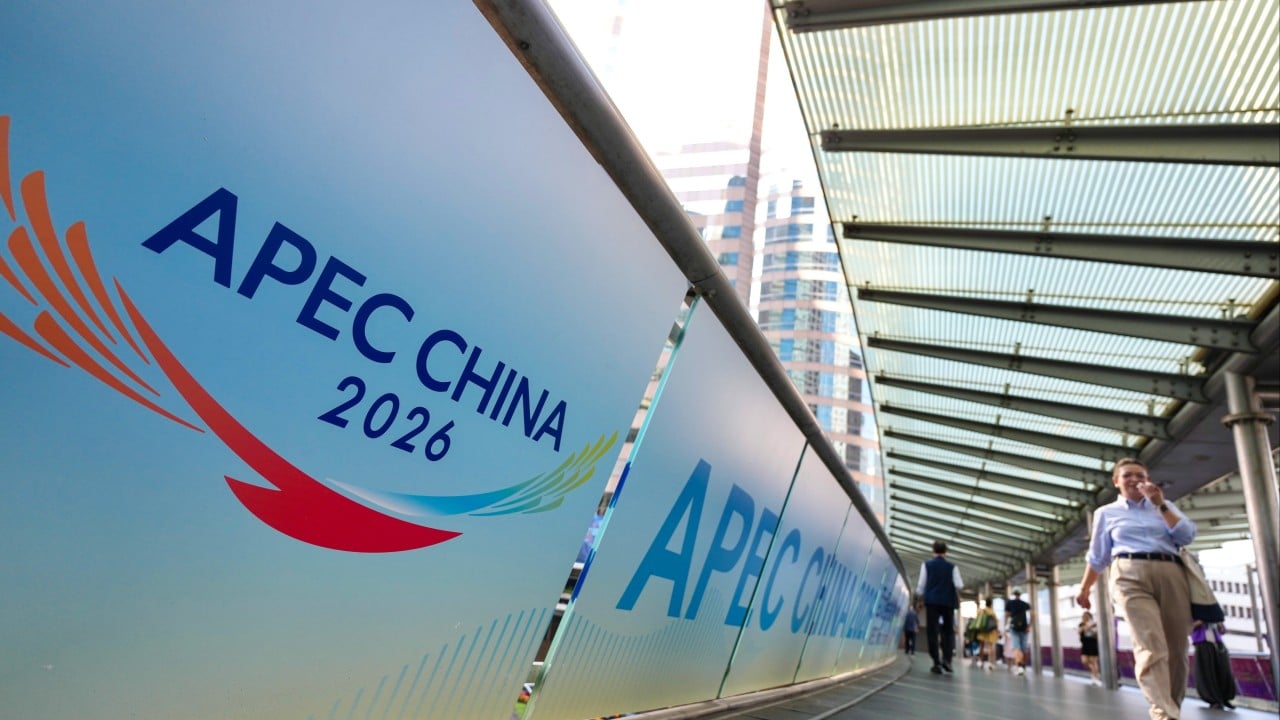
When global economic leaders gather for high-stakes summits, the resulting communiques usually read like a collection of polite wishes destined for a filing cabinet. But the Asia-Pacific Economic Cooperation Finance Ministers’ Meeting held in Hong Kong carried a sharper edge. Financial Secretary Paul Chan didn't just rattle off diplomatic pleasantries. He laid out four explicit economic pillars designed to cut through trade friction and tackle real-world liquidity bottlenecks.
If you look past the standard press releases, these four priorities reveal a lot about where regional capital is actually heading. Let's break down what Chan focused on, why these specific areas matter right now, and what they mean for businesses trying to navigate an unpredictable economic climate. Discover more on a related subject: this related article.
The Reality Check on Regional Economic Resilience
Economic resilience sounds like a buzzword until you watch supply chains fracture under geopolitical pressure. Chan opened the discussions by pointing out an uncomfortable truth. While the broader Asia-Pacific region keeps growing, that growth is uneven, fragile, and increasingly vulnerable to shifting trade barriers.
You can't talk about regional prosperity while ignoring the protectionist walls going up elsewhere. Chan's emphasis on tearing down trade hurdles isn't just theoretical. Economies across ASEAN and the broader APEC bloc are realizing that regional integration is a matter of survival, not convenience. When traditional Western markets wobble or turn inward, businesses in the East have to find liquidity and partnership closer to home. More analysis by The Motley Fool delves into related views on this issue.
Digital Infrastructure Financing Done Right
Everyone loves talking about digital transformation, but nobody wants to pay for the underlying pipes. Financing digital infrastructure was a massive focal point of Chan's agenda, and for good reason. You cannot build a modern digital economy on outdated physical networks.
The challenge isn't a lack of global capital. The problem is making digital infrastructure investable for institutional funds that demand predictable returns. Chan pushed for frameworks that turn complex tech projects into bankable assets. This means creating an environment where multilateral development banks and private investors can actually pool resources without getting bogged down by regulatory red tape. Without these investments, smaller economies risk falling behind an accelerating digital divide.
Solving SME Liquidity Without Collateral Headaches
Big corporations have entire treasury departments designed to handle credit crunches. Small and medium enterprises don't have that luxury. If you've ever tried to secure a bank loan for a growing business without owning commercial real estate or massive physical assets, you know the system is broken.
To address this, Chan highlighted practical solutions like Hong Kong’s Project CargoX initiative. By using integrated logistics and supply chain data as concrete proof of actual business activity, platforms like this allow smaller traders to secure bank loans without traditional collateral. This is the kind of practical financial innovation that changes day-to-day operations for businesses on the ground. When trade data becomes a trusted currency, liquidity flows to companies that actually produce value rather than those simply sitting on legacy assets.
Rebuilding Cross-Border Regulatory Bridges
Capital flows wherever it's treated best, but it stays wherever it trusts the rules. One of Chan's most strategic pushes involved deepening securities regulatory cooperation across APEC economies.
When companies can list seamlessly across multiple exchanges—linking local markets with international bourses—everyone wins. Investors get broader access, and businesses tap into deeper pools of capital. Chan's dialogues aimed at aligning these regulatory expectations show a clear understanding of what financial hubs must do to stay relevant. You can't just market yourself as a global gateway; you have to actively build the legal and regulatory plumbing that makes cross-border transactions frictionless.
What This Means Moving Forward
The takeaway from the APEC finance meetings isn't found in the ceremonial handshakes. It's found in the hard shift toward pragmatic, data-driven financial cooperation. Whether it's unlocking capital for the Northern Metropolis development or utilizing supply chain data to fund small businesses, the focus has shifted entirely to execution.
If you're running a business or managing investments in the region, pay close attention to how these regulatory bridges and digital financing tools roll out over the coming months. The rules of regional trade are being rewritten right now, and the smart money is moving fast to adapt.


