The military just hit pause on a policy that had doctors shaking their heads.
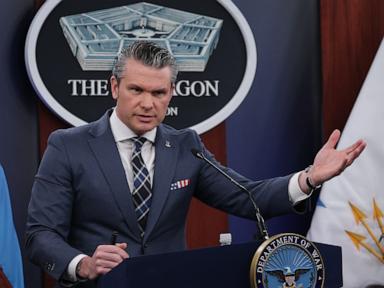
The Pentagon recently scrambled to pull its newly minted clinical guidance on mandatory testosterone screening for service members. Posted online by the Defense Health Agency, the document vanished within twenty-four hours, replaced by sterile "Page Not Found" errors. Officials are calling it a temporary move to allow for updates, but the abrupt disappearance highlights a massive clash between political leadership and the medical community over troop readiness. You might also find this similar coverage interesting: Why Western Freedom Did Not Create Anger But Built The Engine That Exposed It.
Let's look at what actually happened, why medical professionals panicked, and where things stand now.
Inside the Short-Lived Screening Mandate
The controversial rollout originated from a push by Defense Secretary Pete Hegseth, who first announced plans for a military-wide testosterone initiative back in July. The goal, according to the administration, was boosting combat readiness by tackling hormonal and energy issues among active-duty and reserve personnel. As extensively documented in detailed reports by Al Jazeera, the implications are widespread.
When the detailed clinical guidance finally dropped on a Wednesday, it laid out a rigid roadmap:
- Male service members aged 30 and older would face mandatory symptom questionnaires during annual health assessments.
- Those questionnaires could trigger a blood test to check testosterone levels.
- If levels dipped below a certain threshold, troops could be funneled into testosterone replacement therapy.
- Separate screening tracks were established for women to evaluate hormonal imbalances and energy availability issues, with specific guidelines limiting testosterone treatment strictly to diagnoses like Hypoactive Sexual Desire Disorder.
By Thursday morning, the memo and accompanying statements from Pentagon spokespeople were gone. Officials began labeling the document a mere draft meant for revision, though interim guidelines remain active while the department figures out its next move.
Why Medical Experts Push Back
The swift retraction didn't happen in a vacuum. Major medical organizations, including the Endocrine Society and the American Urological Association, don't recommend routine, population-level screening for low testosterone in asymptomatic adults.
Critics point out several glaring issues with a blanket military mandate:
- Normal aging versus disease: Symptoms like fatigue and low energy are common, vague, and often stem from poor sleep, stress, or lifestyle factors rather than clinical hypogonadism.
- The fertility trap: Testosterone replacement therapy shuts down the body's natural production of the hormone. For younger service members who might still want children, starting exogenous testosterone can impair fertility.
- Hidden health risks: Overtreatment carries real baggage. Pumping synthetic testosterone into people who don't clinically need it can raise red blood cell counts, worsen sleep apnea, increase cardiovascular risks, and aggravate undiagnosed prostate issues.
Doctors argue that taking hormones won't magically turn a stressed, sleep-deprived soldier into a super-warrior. Real operational readiness comes from proper rest, nutrition, and addressing root causes like obesity or overtraining—not writing prescriptions for routine hormone boosts.
What Happens Next for Troops
Right now, the immediate future of the "High-T" military initiative is murky. The Department of War insists it remains committed to addressing hormone health and optimizing human performance. However, the timing of the takedown is fascinating—landing just weeks before the U.S. Food and Drug Administration convenes an expert panel in mid-September to evaluate the broader medical uses of testosterone.
If you're tracking this policy, keep an eye on how the Defense Health Agency rewrites its clinical protocols. Interim rules are keeping the machinery running for now, but any revised permanent mandate will have to navigate a minefield of scientific skepticism and pushback from internal medical staff. Expect a quieter, heavily modified version to resurface once the dust settles.