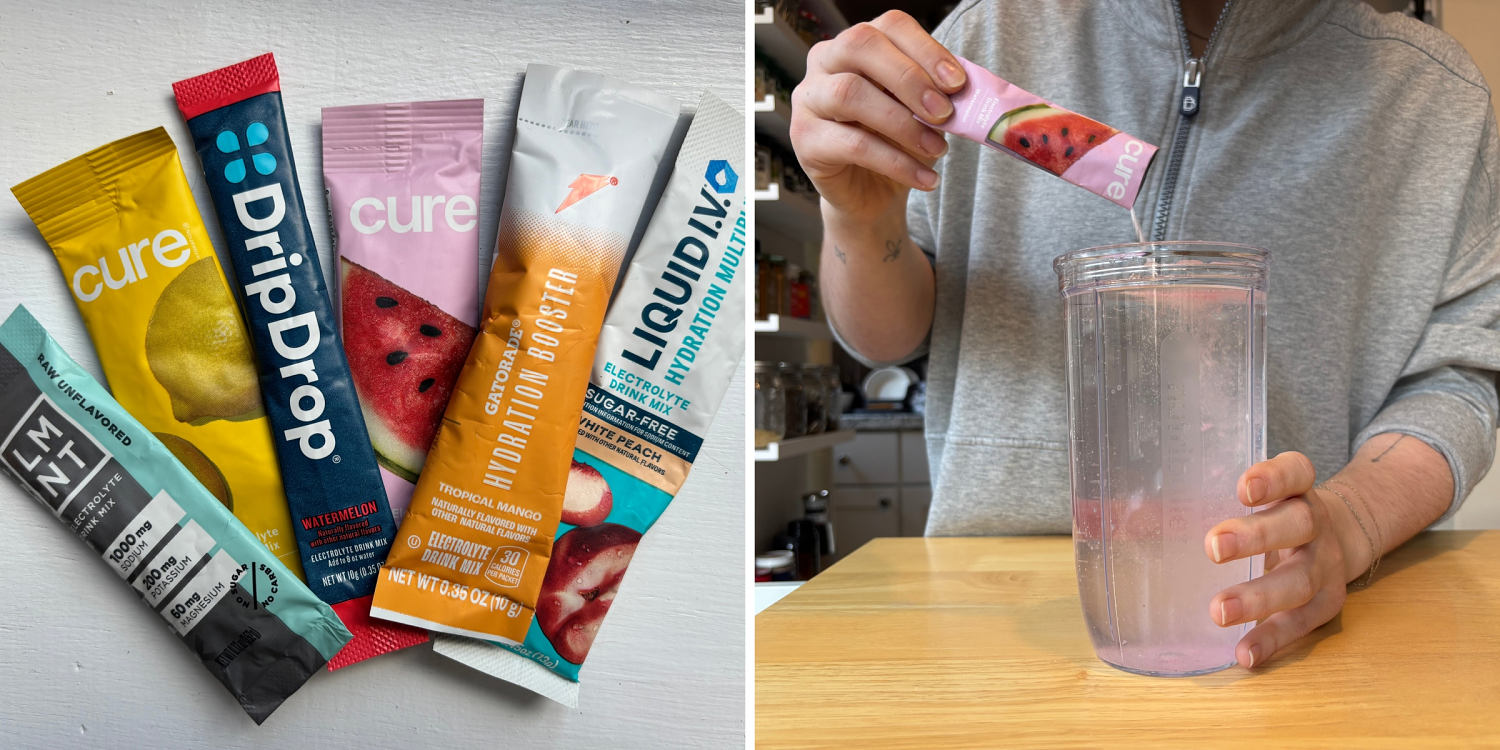
You probably don't need an electrolyte powder today.
If you sit at a desk in an air-conditioned room, drink a normal amount of water, and eat regular meals, dumping a two-dollar packet of flavored salt into your bottle is mostly making expensive urine. Marketing teams have spent the last few years convincing casual gym-goers and tired office workers that plain tap water is somehow broken. It isn't.
Still, there are very specific moments when an electrolyte powder isn't just helpful—it's necessary. Understanding the difference between clever branding and actual human physiology will save you a lot of money and keep your body running properly when it actually counts.
Why Electrolyte Powders Blew Up Suddenly
Walk down any grocery aisle or scroll through your feed for five minutes, and you'll see neon packets promising "cellular hydration," razor-sharp focus, and instant recovery. Brands like Liquid I.V., LMNT, and Nuun turned a clinical medical concept—oral rehydration therapy—into a daily lifestyle accessory.
And honestly, the pitch works because most of us feel mildly sluggish by 2 PM. When a company tells you that your afternoon brain fog is actually a sodium and potassium deficiency, buying a 30-pack of watermelon-flavored powder feels like an easy fix.
The reality is less glamorous. The World Health Organization originally developed oral rehydration salts to save lives during severe diarrheal illnesses like cholera, where rapid fluid and sodium loss can kill a person within hours. Sports scientists adapted those ratios for endurance athletes sweating out liters of fluid during marathons or multi-hour training sessions in brutal heat. Somewhere along the way, wellness culture decided that walking your dog or sitting through back-to-back Zoom calls required the exact same biochemical intervention.
What Electrolytes Actually Do in Your Body
Strip away the buzzwords, and electrolytes are just minerals that carry an electric charge when dissolved in water. Your body relies on them to keep fluids balanced inside and outside your cells, fire nerve impulses, and contract muscles—including your heart.
The main players you'll see on nutrition labels include:
- Sodium controls fluid volume outside your cells and helps pull water across your intestinal wall into your bloodstream.
- Potassium works alongside sodium to regulate fluid inside your cells and keep nerve signals firing smoothly.
- Magnesium supports hundreds of enzymatic reactions, muscle relaxation, and energy production.
- Calcium handles muscle contractions and blood vessel signaling, though you rarely lose enough in sweat to need it in a drink mix.
- Chloride pairs with sodium to maintain fluid balance and stomach acid levels.
Your kidneys are remarkably good at managing these minerals on their own. When you eat a normal diet containing vegetables, dairy, meats, grains, and a pinch of table salt, your kidneys filter out what you don't need and hold onto what you do. Unless you're actively losing large amounts of fluid, that internal system rarely needs backup.
When You Actually Need an Electrolyte Powder
So when does buying a tub or box of packets make real sense? It comes down to how much fluid and sodium you're losing faster than food can replace it.
Heavy Sweating and Long Workouts
If you're lifting weights for 45 minutes in a climate-controlled gym, plain water is plenty. Things change once you cross the 60-to-90-minute mark of continuous, intense exercise—especially outdoors in heat or humidity.
Sweat isn't just water. According to the American College of Sports Medicine, sweat sodium concentration varies wildly from person to person, averaging around 500 to 1,000 milligrams of sodium per liter of sweat, though "salty sweaters" can lose even more. If you finish a long run with white crusty streaks on your hat or shirt, you're losing serious sodium. Drinking plain water without replacing that salt dilutes your blood sodium levels, leaving you bloated, sluggish, and prone to cramping.
Stomach Bugs and High Fevers
Vomiting, diarrhea, and heavy fever sweats drain water and electrolytes rapidly. Water alone passes right through an irritated digestive tract without absorbing well. A properly formulated electrolyte mix uses a specific ratio of sodium and glucose to activate the sodium-glucose cotransporter in your small intestine, pulling water directly into your bloodstream much faster than plain water ever could.
Low-Carb or Keto Diets
When you drastically cut carbohydrates, your insulin levels drop. Lower insulin signals your kidneys to excrete sodium and water at a much higher rate than usual. That sudden flush of water and salt is the exact mechanism behind the infamous "keto flu"—headaches, dizziness, and heavy fatigue during the first week or two of cutting carbs. Adding extra sodium and potassium through food or a sugar-free electrolyte powder clears those symptoms up fast.
High-Altitude Travel and Dry Cabins
Breathing faster in thin mountain air and sitting in low-humidity airplane cabins increase insensible water loss through respiration. You won't necessarily feel sweaty, yet your baseline fluid turnover climbs. Pairing water with a light electrolyte mix during long flights or high-elevation hikes helps prevent mild dehydration headaches.
What to Check Before You Buy Any Packet
If you do fall into one of those categories, don't just grab the prettiest box off the shelf. Flip it over and read the Supplement Facts or Nutrition Facts panel. Most consumers get tripped up by three things.
Sodium Levels Vary Wildly
Some trendy powders are basically lightly flavored multivitamins masquerading as hydration drinks. A packet with 50 milligrams of sodium and 100 milligrams of potassium won't do much for heavy sweat loss—you'd get more electrolytes from half a banana and a pinch of salt.
For genuine rehydration during heavy sweating, look for at least 300 to 500 milligrams of sodium per serving. High-sodium formulas offering 800 to 1,000 milligrams exist for ultra-endurance athletes, heavy sweaters, and keto dieters, though that much salt is overkill for casual use.
The Sugar Question
Sugar gets treated like poison in wellness circles, yet a small amount of glucose actually speeds up hydration. That sodium-glucose transport mechanism in your gut relies on both molecules being present together.
If you're training hard for over an hour or recovering from food poisoning, 5 to 15 grams of cane sugar or dextrose in your drink helps your body absorb fluids faster and fuels working muscles. If you're just sipping a drink at your desk or fasting, skip the sugar and pick a formula sweetened with stevia, monk fruit, or allulose—or buy unflavored drops.
Sneaky Fillers and Mega-Dosed Vitamins
Many popular brands load their mixes with massive doses of B vitamins and vitamin C just to make the label look impressive. Your body doesn't lose significant B vitamins in sweat, and excess amounts simply turn your urine bright neon yellow. Watch out for artificial dyes like Red 40 or Yellow 5, excessive citric acid that wears down tooth enamel if you sip it all day, and cheap forms of magnesium like magnesium oxide, which absorbs poorly and can trigger stomach cramps.
Who Should Think Twice Before Daily Use
Electrolyte powders aren't harmless candy, especially the high-sodium varieties.
The American Heart Association recommends keeping daily sodium intake under 2,300 milligrams for most adults, and ideally closer to 1,500 milligrams for anyone dealing with high blood pressure. Most Americans already clear 3,400 milligrams a day just from restaurant meals, bread, sauces, and packaged snacks. Tossing a 1,000-milligram sodium packet on top of a salty diet pushes your intake into territory that stresses your cardiovascular system over time.
Anyone with hypertension, kidney disease, or heart failure should talk to their doctor before adding concentrated electrolyte mixes to their routine. Damaged kidneys struggle to clear excess potassium and sodium, and pushing those minerals too high can cause dangerous heart rhythm issues.
The Cheap DIY Alternative Nobody Markets
You don't actually need a shiny foil packet to make an effective electrolyte drink. Brands charge up to two dollars per serving for ingredients that cost pennies in bulk.
If you want a clean, effective hydration mix before a long workout or after a rough bout of stomach flu, stir together 16 to 20 ounces of cold water, a quarter teaspoon of regular table salt or sea salt (which gives you roughly 575 milligrams of sodium), a splash of 100% orange juice or coconut water for potassium and a touch of glucose, and a squeeze of fresh lemon or lime juice for flavor. It takes thirty seconds, skips the artificial gums and fillers, and costs almost nothing.
How to Decide What You Actually Need
Before clicking "subscribe and save" on a 30-day supply of electrolyte packets, run through a quick reality check.
- Audit your sweat and activity. Save electrolyte powders for workouts lasting over an hour, humid outdoor labor, travel days, or illness. Stick to plain water and whole foods on normal desk days.
- Match the sodium to the job. Pick 300 to 500 milligrams of sodium for moderate workouts, and reserve 800-plus milligram packets for heavy sweating or low-carb diets.
- Check your total daily salt. Look at what you already eat before adding extra sodium to your water bottle, especially if blood pressure is a concern.
- Buy single-serve sticks first. Flavors can be intensely salty or overly sweet—grab a small sample pack before committing to a bulk tub you hate drinking.


