Russia just launched a massive simulation of a retaliatory nuclear strike. It involved the entire nuclear triad. Air, sea, and land forces all fired test missiles. Moscow wants you to panic. Western media headlines are gladly helping them accomplish that goal.
But if you look past the terrifying headlines, you see a different story. This isn't the prelude to World War III. It's a calculated, predictable piece of political theater.
Let's break down exactly what happened, why the timing matters, and what everyone is missing.
The Reality of the Russian Nuclear Strike Simulation
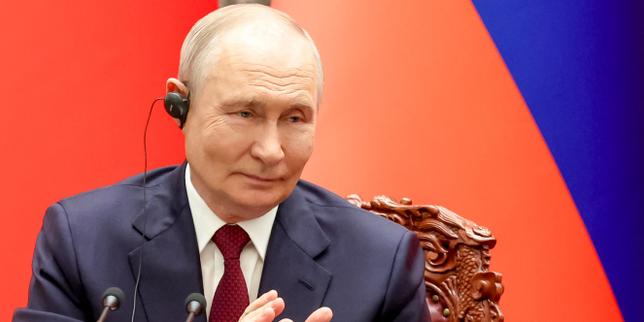
Vladimir Putin oversaw these massive exercises from the Kremlin via video link. The drills weren't subtle. The military launched a Yars intercontinental ballistic missile from the Plesetsk cosmodrome in northwestern Russia. It hit a target in Kamchatka, thousands of miles away in the Far East. Meanwhile, nuclear-powered submarines in the Barents Sea and the Sea of Okhotsk launched Sineva and Bulava ballistic missiles. Tu-95MS strategic bombers fired long-range cruise missiles to round out the exercise.
Moscow says the drills tested the readiness of its strategic offensive forces. They wanted to ensure command structures could execute a massive retaliatory strike if Russia faced a nuclear attack.
That sounds terrifying. It is supposed to.
The Kremlin regularly conducts these large-scale exercises. They usually happen every autumn. In fact, Russia held a similar set of drills just last year. The physical actions aren't new. The real shift is the political messaging wrapped around them. Putin explicitly stated that Russia is not starting a new arms race, but argued that these forces must remain "modern and constantly ready for use." That distinction is vital. It's a classic example of strategic deterrence through public saber-rattling.
Why the Timing of These Tests Is No Accident
Military exercises don't happen in a vacuum. The timing of this massive simulation points directly to current geopolitical flashpoints.
Right now, Ukraine is pushing its Western allies for permission to use long-range missiles to strike targets deep inside Russian territory. Kyiv wants to use British Storm Shadows and US-made ATACMS to disrupt Russian logistics far behind the front lines. Western leaders are actively debating whether to grant this request.
Putin's nuclear drills are a direct response to that debate. He wants Washington, London, and Paris to hesitate. By reminding the West of Russia's immense nuclear arsenal, the Kremlin hopes to fuel fears of escalation. It's a psychological game.
This isn't the first time Moscow adjusted its nuclear posture to influence Western decision-making. Just last month, Putin proposed updates to Russia's official nuclear doctrine. The revised text suggests that an attack on Russia by a non-nuclear state, if supported by a nuclear-armed power, should be treated as a joint assault. You don't need a degree in international relations to see who that threat targets. It's aimed squarely at Ukraine and its NATO backers.
How Western Observers Are Reading Between the Lines
Military analysts don't look at these drills and see an imminent launch. They see a military trying to project strength while fighting a grinding, conventional war.
The conventional Russian army has suffered massive casualties and equipment losses in Ukraine. Because of these conventional weaknesses, Moscow relies even more heavily on its nuclear deterrent. It's the one area where Russia still maintains parity with the United States.
Independent defense analysts note that these routine tests also serve a practical domestic purpose. They show the Russian public that the country remains a global superpower despite economic sanctions and battlefield setbacks. It's security theater for both external and internal audiences.
The Pentagon monitored the recent drills closely. US officials confirmed that Russia provided advance notice of the exercises, complying with existing arms control agreements. This compliance is telling. If Russia truly intended to surprise or immediately threaten the West, it wouldn't send a courtesy heads-up to Washington first. The lines of communication remain open because both sides know the danger of a miscalculation.
Moving Past the Fear Response
When dealing with nuclear rhetoric, panic is the exact reaction the Kremlin wants to trigger. It paralyses decision-making.
Instead of reacting to the noise, focus on the structural realities of global deterrence. Watch the actual movement of hardware, not just the pre-planned exercises. Keep an eye on Western intelligence assessments regarding Russian nuclear storage facilities. Real changes in readiness levels happen in silence, away from the TV cameras. The loudest events are usually the ones designed purely for show.
If you want to track this situation accurately, stop feeding into the sensationalized cycle of instant news updates. Check reports from independent conflict monitoring groups like the Institute for the Study of War or the Federation of American Scientists. They strip away the propaganda from both sides and look at the actual data. Stay informed, look at the historical context, and refuse to let state-sponsored theater dictate your understanding of global security.