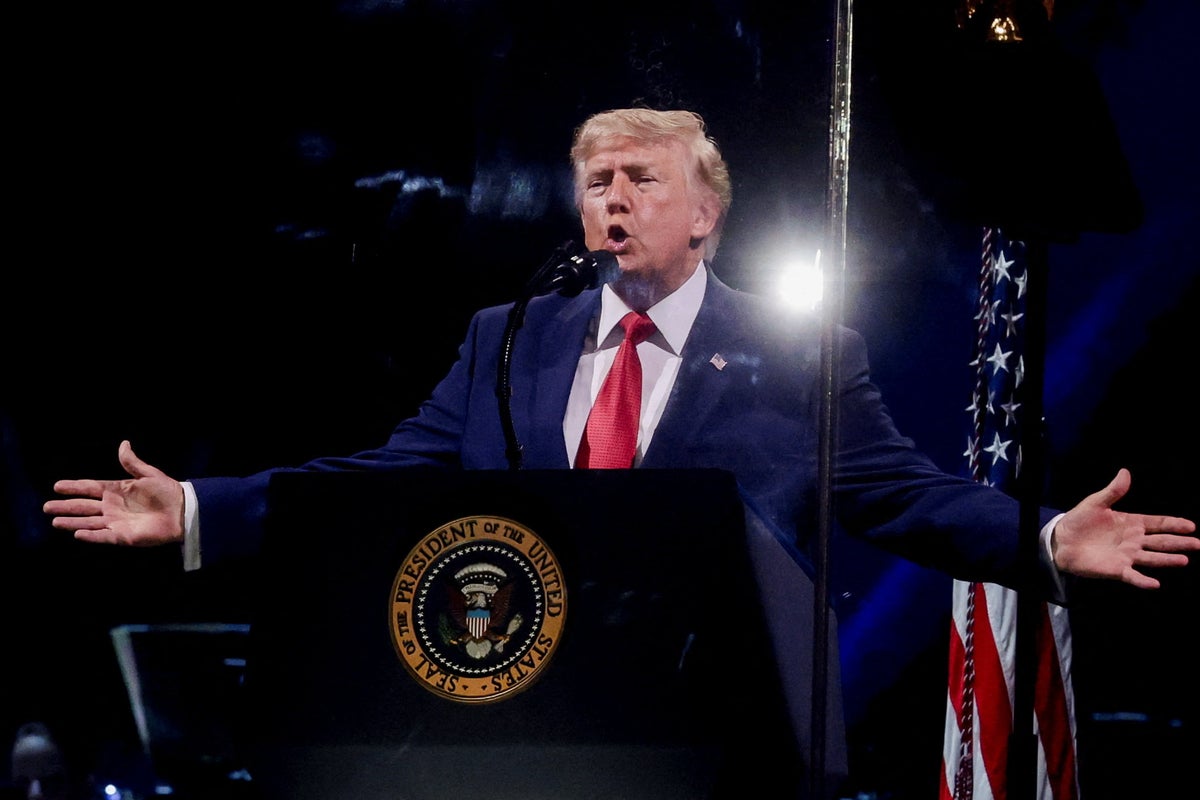
Political fundraising isn't about democracy anymore. It's about access, and the price of admission is skyrocketing. When the Republican party mechanics and big-ticket donors gathered at Mar-a-Lago for what was billed as a crucial midterm candidate forum, the eyes of the political world weren't on policy. They were on the checkbooks.
Guests were asked to shell out up to $250,000 per couple just to get a seat at the table with Donald Trump. For a quarter-million dollars, wealthy donors secured a private dinner, a photo opportunity, and a premium seat at the "Take Back Congress Candidate Forum." If you had $100,000, you still got a photo but worse seating. Down at the bottom, a mere $5,000 got you through the door to hear the speeches but left you far away from the action. Also making news in this space: Stop Blaming the Weather for Europe's Wildfire Tragedies.
This isn't your standard political dinner. It's a highly transactional system that shifts how campaign finance actually operates.
The Reality of Where the Money Goes
Most everyday donors assume their cash goes straight to the candidates fighting tight races in swing states. That's a myth. More information regarding the matter are explored by Reuters.
The cash raised at these high-profile Mar-a-Lago retreats doesn't flow directly into the bank accounts of vulnerable congressional candidates. Instead, the funds primarily feed Trump's own political action committee, Save America. Federal Election Commission filings show a striking disparity between what these events pull in and what actually gets distributed to individual campaigns. While the event used the branding of taking back Congress, the institutional control over the cash stayed firmly in one place.
This creates an awkward dynamic within the broader Republican party apparatus. Traditional party committees like the National Republican Congressional Committee need millions to fund television ads and ground operations. When big donors write six-figure checks directly to a single leadership PAC, it drains the pool of available funds for the actual ground war.
The Premium Price of Political Access
Paying for political access is an old game, but the scale has changed completely.
Let's look at what these different pricing tiers actually buy.
- The $250,000 Tier: Private dinner, personal photo with Trump, VIP forum seating, and option to purchase a Mar-a-Lago guest room.
- The $100,000 Tier: Photo with Trump, seating at the dinner, and candidate briefings.
- The $50,000 Tier: Dinner attendance, but your photo is limited to the endorsed candidates, not the former president.
- The $5,000 Tier: Basic entry to the dinner and speeches.
For the candidates attending, the event serves as a high-stakes job interview. Hopeful politicians looking to secure a crucial endorsement must mingle with the donor class while proving their loyalty. It’s an exhausting ecosystem. Candidates spend hours trying to catch the eye of major financiers, knowing that a single nod can fund their entire primary run.
Why the Party Machine Tolerates the Squeeze
You might wonder why the official GOP establishment goes along with this setup if it diverts cash away from standard campaigns. The answer is simple. They don't have a choice.
Trump remains the single most effective fundraising draw in the conservative movement. An endorsement can instantly rescue a struggling campaign or sink an incumbent who steps out of line. Because of that immense leverage, the party structure accepts the financial arrangement. They gamble that the enthusiasm generated by these elite retreats will eventually trickle down to boost voter turnout at the ballot box.
It's a high-stakes strategy that changes the traditional power dynamic between candidates and the central party.
How to Track Your Political Donations
If you want to ensure your money actually supports the specific candidates you care about, you have to look beyond the flashy event invitations. Don't rely on generic event titles or marketing slogans.
First, always check the disclaimer at the bottom of any fundraising email or invitation. Look for the "Paid for by" line. If it lists a leadership PAC rather than a specific candidate's authorized campaign committee, the candidate has very little direct control over how that money is spent.
Second, use public databases like the Federal Election Commission website to see exactly where a PAC spends its cash. Look at the operating expenditures versus the direct candidate contributions. If a group spends more on staging high-end events at luxury resorts than it does on direct campaign donations, your money is funding a lifestyle, not a political victory. Focus your financial support on direct candidate committees if you want your dollars to hit the ground in key districts.