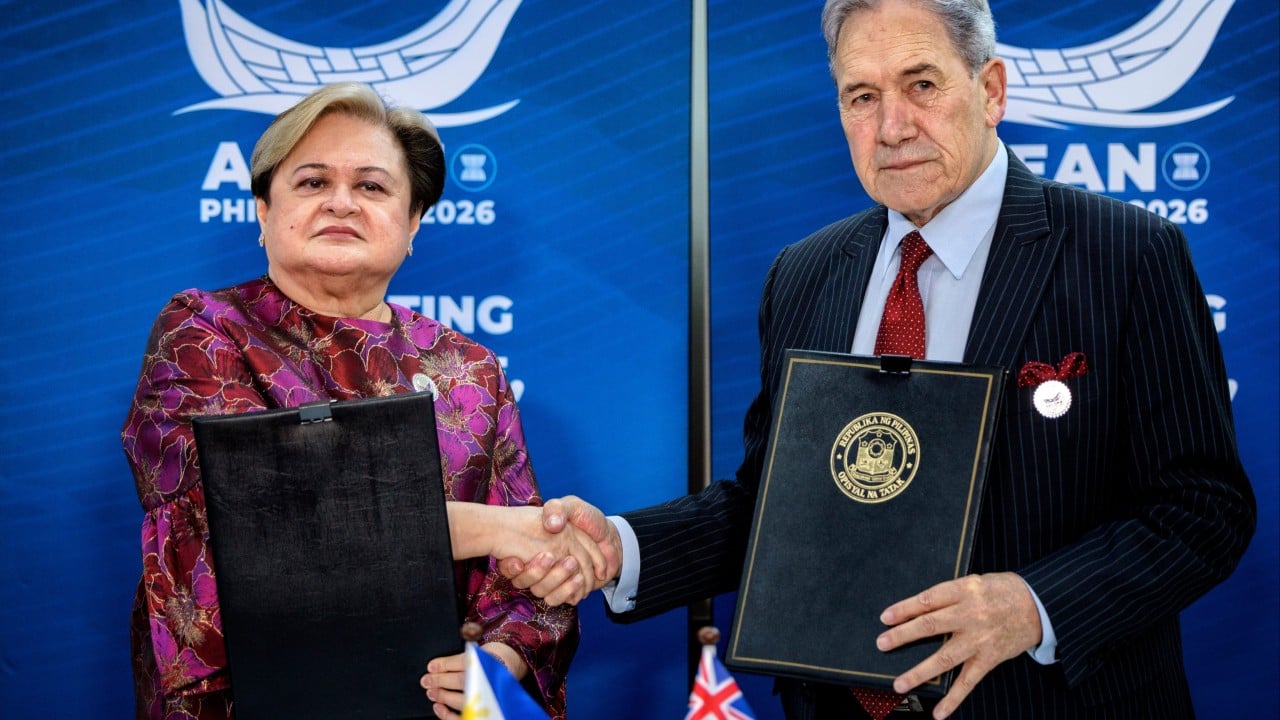
Diplomats love signing pieces of paper in grand palace rooms while camera shutters click. When Manila and Wellington signed their Status of Visiting Forces Agreement (SOVFA) and elevated ties to a Comprehensive Partnership, the geopolitical commentariat collectively swooned. The standard narrative is predictable: Manila is brilliantly assembling a web of middle-power alliances to deter aggression in the South China Sea, and Wellington is stepping up to defend the international order.
It is a fantasy. Meanwhile, you can find related developments here: Why Showing a Photo in Tibet Can Land You in Prison for Incitement.
Thinking that a military partnership with New Zealand materially alters the security balance in Southeast Asia misunderstands both Wellington’s military capacity and Manila’s core strategic dilemmas. Beyond the photo opportunities and Joint Statements, this arrangement offers symbolic value while distracting from harsh tactical realities.
The Operational Vacuum Behind the Handshakes
Let us talk about military hardware and power projection. To understand the complete picture, we recommend the detailed report by The Guardian.
The Armed Forces of the Philippines (AFP) need hard maritime enforcement: heavy ice-strength hulls, high-end surface combatants, advanced air defense batteries, and coastal anti-ship missile systems to hold disputed reefs in the West Philippine Sea.
What does the Royal New Zealand Defence Force (NZDF) actually bring to the table?
A navy with two frigates, a small fleet of maritime patrol aircraft, and a land force built primarily for peacekeeping and regional disaster relief in the South Pacific. New Zealand’s entire defense budget floats around $3 billion USD—less than a fraction of what major regional powers spend in a single quarter. Wellington struggles to keep its own naval vessels fully crewed and operational in its immediate neighborhood, let alone maintaining a sustained combat-credible posture thousands of nautical miles away in the South China Sea.
Imagine a high-intensity maritime confrontation near Ayungin Shoal. A Joint Task Force consisting of Philippine Coast Guard cutters and a visiting New Zealand patrol aircraft cannot impose real cost on a heavy maritime militia backed by gray-zone naval combatants. Symbolic presence does not stop physical coercion. Tactical reality does.
The Middle-Power Distraction
Pundits argue that middle-power coalitions form a "lattice network" that deters larger adversaries. This sounds sophisticated in policy papers, but it fails under stress.
The logic goes: if Manila signs enough agreements with Canberra, Tokyo, Ottawa, and Wellington, it creates a web of resistance. But a web made of thin thread is still easily broken.
- Dilution of Focus: Manila risks burning immense diplomatic capital negotiating legal frameworks, troop access protocols, and bilateral dialogues with minor military players instead of double-clicking on what actually deters threats: binding, ironclad security guarantees with primary allies and direct procurement of sovereign deterrent capabilities under programs like Re-Horizon 3.
- Wellington’s Domestic Constraints: New Zealand’s political climate is historically hesitant regarding high-stakes hard-power confrontation. Wellington’s prosperity is deeply intertwined with regional trade, and its strategic DNA prioritizes diplomatic mediation over direct military deterrence. In a crisis, Wellington will issue press releases expressing "grave concern," not send warships into contested firing zones.
- The Illusion of Capacity: Relying on visiting forces arrangements with non-resident powers gives a false sense of escalation dominance. It creates a dangerous gap between perceived support and actual operational readiness on the water.
What Actually Works on the Water
If symbolic troop pacts do not fix the strategic asymmetry in the West Philippine Sea, what does? Manila must strip away diplomatic theater and focus on raw, self-sustaining deterrence.
- Prioritize Hard Interoperability Over Bureaucratic Expansion: Stop celebrating the number of signed agreements. Focus exclusively on deep operational integration with powers that possess heavy logistics, real-time satellite intelligence feeds, and sustained regional striking power.
- Accelerate Sovereign Deterrence: Foreign visiting forces are temporary guest appearances. The Philippines must own its defense. Deploying land-based anti-ship cruise missiles, expanding coastal radar grids, and hardening remote island outposts provide immediate physical resistance that no foreign training exercise can match.
- Focus New Zealand Where It Helps: New Zealand excels in niche domains: maritime domain awareness training, hydrographic surveying, search and rescue coordination, and disaster response. Stop framing this relationship as a counter-weight to regional superpowers. Treat it strictly as a practical technical exchange for civil-maritime operations.
Stop mistaking diplomatic activity for strategic strength. A stack of signed defense treaties does not deter a warship; anti-ship missiles, operational readiness, and real combat power do.

/https://i.s3.glbimg.com/v1/AUTH_e84042ef78cb4708aeebdf1c68c6cbd6/internal_photos/bs/2026/g/B/3vpkvHQKizRKAfzDxjXA/vini-jr-antes-e-depois.jpg)