Diplomatic PR Is Not A Rescue Strategy
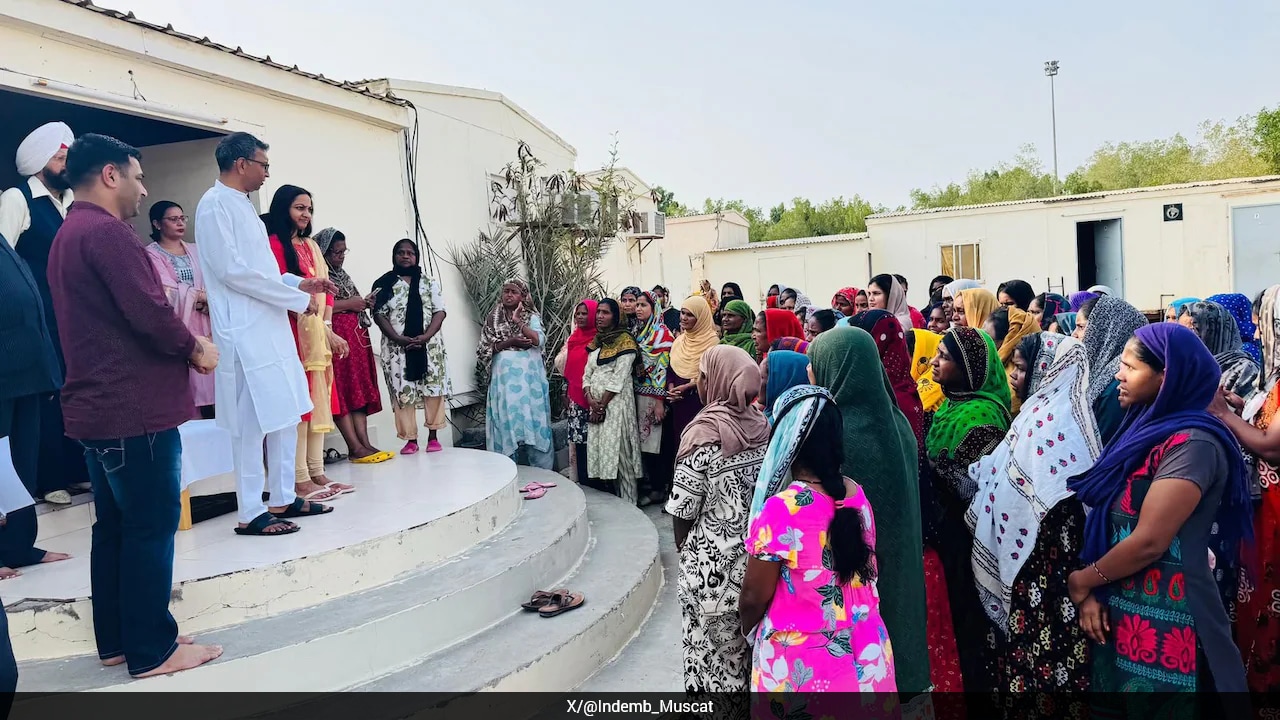
Every few months, the exact same headline cycles through global media outlets: a high-ranking diplomat drops in on a shelter, poses with distressed domestic workers, nods sympathetically, and promises swift government action.
It makes for a comforting photo. It signals empathy. It lets home governments look active, responsive, and humane.
It is also an absolute performance.
When an ambassador steps into a migrant shelter in Muscat, Riyadh, or Dubai, they are treating the ultimate symptom of a broken system while actively ignoring the economic machine that created it. Bureaucrats do not break structural labor exploitation with photo opportunities and vague assurances. They just briefly manage the optics of misery.
The standard narrative around low-wage labor migration in the Gulf region—specifically regarding female domestic workers—is built on a fundamental misunderstanding. Media coverage frames these situations as tragic cases of individual bad actors abusing helpless victims, requiring the benevolent intervention of state officials.
That framing is convenient. It is also entirely wrong.
The Real Engine Behind Gulf Labor Exploitation
Let us stop pretending the primary issue is a lack of diplomatic care. The root cause of domestic worker vulnerability across the Gulf Cooperation Council (GCC) states is the structural economic architecture: the Kafala (sponsorship) system and its insidious shadow economy.
Under standard sponsorship frameworks, a worker’s legal residency is directly tied to a single employer. If a worker flees an abusive household, they are instantly classified as "absconding." In the eyes of local law, the victim becomes the criminal.
Now, consider the mechanics of how a worker ends up in that shelter in the first place:
- Sub-Agent Extortion: Before ever stepping on a flight, workers incur massive debt to unlicensed sub-agents in rural recruitment corridors.
- Contract Switching: Upon arrival, the job specs, salaries, and working conditions promised in Mumbai, Dhaka, or Colombo disappear, replaced by lower pay and grueling hours.
- Legal Asymmetry: An envoy can promise legal assistance, but local courts operate on strict document trails. A domestic worker fleeing without her passport or police reports stands almost zero chance in a formal legal dispute against a national sponsor.
When an envoy visits a shelter housing a few dozen women, they are addressing less than 0.01% of the population enduring these conditions. Worse, they are offering emergency band-aids to a system that generates those exact casualties by design.
Why Diplomatic Interventions Consistently Fail
Diplomats are trained in statecraft, bilateral trade, and risk avoidance. They are not labor union organizers, and they certainly are not enforcement officers inside a foreign jurisdiction.
I have spent years watching policy analysts and state department officials craft press releases after high-visibility visits to migrant detention hubs and emergency shelters. The cycle never changes:
- Public Outcry: A video or story goes viral showing worker distress.
- The Visit: A senior official visits a shelter to "assure full support."
- The Memorandum: Both nations sign a non-binding Memorandum of Understanding (MoU) promising better labor protections.
- Business as Usual: The news cycle shifts, enforcement remains zero, and the recruitment pipelines continue business as usual.
The Reality Check: Non-binding MoUs between labor-sending and labor-receiving nations are functionally useless. Without hard enforcement mechanisms, mandatory legal representation protocols, and direct financial penalties for abusive employers, a diplomatic promise carries zero weight once the cameras leave.
🔗 Read more: The Weight of a Sinking Rial
Sending states face an inherent conflict of interest. Countries like India, the Philippines, and Bangladesh rely heavily on foreign remittances to stabilize their home economies. Billions of dollars flow back annually from Gulf expatriates.
Because of this economic reliance, sending governments are structurally disincentivized from playing hardball. Pushing too hard risks bilateral trade relations or worker quota cuts. As a result, diplomats operate with one hand tied behind their backs, offering sympathy to citizens while avoiding systemic conflict with host authorities.
The Flawed Questions Surrounding Migrant Protection
When analyzing this issue, the public and media constantly ask the wrong questions. Dismantling the status quo requires exposing why these standard inquiries fail.
"Why don't envoys just demand the immediate deportation and repatriations of abused workers?"
Because diplomatic immunity does not grant a country's representative the power to override local civil and immigration law. If an employer files an absconding charge or claims the worker stole property—a common retaliation tactic—the worker is legally barred from leaving the country. An ambassador cannot simply put a worker on a commercial flight without local exit visas.
"Can't governments just ban their citizens from working in specific countries?"
History shows that unilateral migration bans fail catastrophically. When sending nations issue bans on domestic workers going to specific jurisdictions, it does not stop the flow of vulnerable people; it merely drives the pipeline underground. Workers turn to illicit trafficking routes, crossing borders illegally through third countries, which deprives them of even basic consular protection and makes them vastly more vulnerable to abuse.
How to Actually Fix the Problem
If photo ops and diplomatic assurances do not work, what does? We have to stop treating labor migration as a humanitarian charity case and start treating it as an enforceable international trade issue.
| Traditional Approach (Fails) | Disrupted Enforcement Strategy (Works) |
|---|---|
| Symbolic embassy shelter visits | Mandatory, state-funded escrow accounts for worker wages |
| Non-binding bilateral MoUs | Bi-national, joint liability frameworks for recruitment agencies |
| Vague promises of "legal assistance" | Pre-funded legal defense retainers built directly into recruitment fees |
| Unilateral bans on migration | Digital contract verification linked directly to immigration exit gates |
1. Joint Legal Liability Across Borders
Recruitment agencies in the origin country and local agencies in the destination country must be legally bound as single corporate entities regarding liability. If a worker’s rights are violated in Muscat, the recruitment agency operating in New Delhi or Manila must face immediate civil financial penalties and license revocation at home. Make human exploitation financially ruinous for the middlemen.
2. Escrow-Backed Wage Guarantee Systems
Domestic workers are frequently excluded from standard statutory wage protection systems. Sending nations should mandate that foreign employers deposit three months' salary into an escrow account held by an independent third party before a visa is issued. If wages are withheld, the escrow automatically disburses funds to the worker.
3. Direct Escort and Legal Sovereignty
Instead of diplomatic visits to static shelters, sending nations must invest heavily in expanding actual consular staff, field investigators, and retained local legal counsel who possess standing in local courts. If an official cannot personally represent a worker in a foreign tribunal or enforce an exit visa, their visit is purely theatrical.
The Cold Hard Truth
The uncomfortable reality is that the current model suits almost everyone in power.
Host countries secure ultra-cheap domestic labor. Sending countries receive massive remittance inflows that shore up their national balance sheets. Recruitment agencies collect exorbitant fees at both ends of the pipeline.
The only party paying the price is the worker sitting in an embassy shelter, holding a useless promise of help while waiting months for a legal system to process an exit visa that may never come.
Praising diplomats for visiting victims of a broken framework is praising a fire department for taking selfies in front of a burning house. It is time to stop applauding the theater and start dismantling the structure.