The cockpit of a modern commercial airliner is a cathedral of glass and disciplined silence. Outside, the curvature of the Earth cuts a sharp, indifferent blue line against the black void of the stratosphere. Inside, two minds share a silent choreography of altitude, airspeed, and fuel flow. Trust is not merely preferred at thirty-thousand feet; it is the fundamental physics of survival. You strap yourself into the left or right seat, trusting that the person beside you is tethered to the same reality: the instruments, the flight plan, the collective safety of hundreds of souls asleep in the aluminum tube behind the bulkhead.
What happens when that invisible tether snaps?
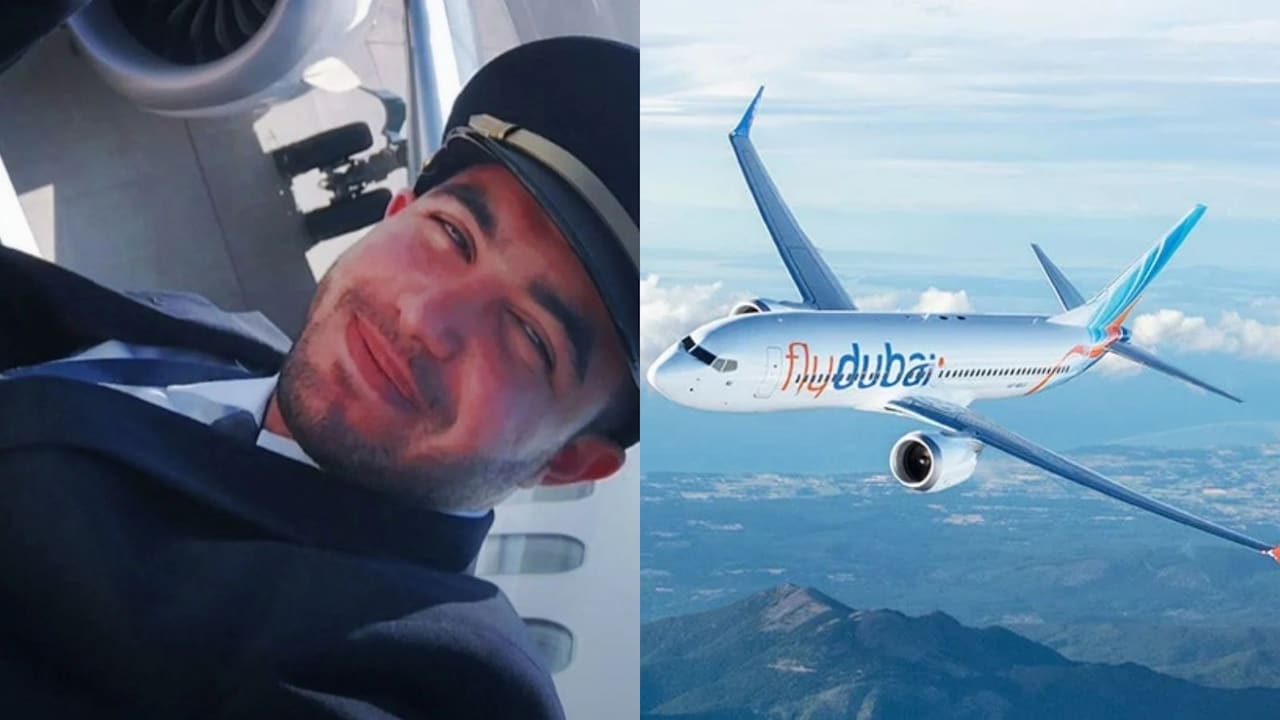
In 2017, a co-pilot flying for flydubai walked the sunlit streets of Australia. To any casual observer, he was just another traveler, another professional taking a mandatory layover between long-haul sectors. But the mind behind the uniform was quietly migrating. It was packing up its old certainties, its cultural anchors, and its moderate understandings, and quietly moving into a fortified, radicalized fortress.
The United Arab Emirates would later state what security analysts and counter-terrorism experts have whispered in windowless briefing rooms for years: radicalization does not always announce itself with a banner or a bomb. Sometimes, it wears a crisp epaulet and a polite smile. Sometimes, it builds its extremist views quietly, almost domestically, thousands of miles away from the cockpit, fueled by algorithms, isolation, and the invisible undertow of the digital age.
Consider the anatomy of a quiet conversion. It rarely begins with an explosion. It begins with a grievance.
Imagine an ordinary professional sitting in a sterile hotel room in Melbourne or Sydney. The city hums outside the double-paned glass—trams clanging, coffee cups clinking, life moving forward with an easy, secular rhythm. Inside the room, the blue light of a smartphone screen illuminates a tired face. The pilot scrolls through social media feeds, chat rooms, and curated video channels. The algorithms do what they were engineered to do: they feed him what he fears, what angers him, what makes him feel righteous in a complicated world.
Bit by bit, nuance dies. The grey areas of geopolitics, history, and human suffering are sanded down into stark binaries. Us versus them. Pure versus corrupt. The uniform he wears to work each morning starts to feel less like a badge of international cooperation and more like a compromise.
This is the hidden vulnerability of modern mobility. Aviation connects the world physically while modern communication networks can disconnect a mind locally. Pilots are uniquely positioned in this paradox. They possess the highest degree of spatial freedom—crossing continents in a single shift—yet they spend hours isolated inside their own heads, processing the mechanical hum of engines and the distant murmur of air traffic control. They see the world from above, missing the messy, complicated texture of life on the ground. And when they look back down through screens, the world looks fractured, angry, and demanding of a radical cure.
When governments like the UAE’s federal authorities investigate these lapses, the public often reacts with shock. How could someone entrusted with lives be susceptible to extremist ideologies?
The mistake lies in assuming that intelligence and professional training act as a vaccine against radicalization. They do not. In fact, analytical minds can sometimes construct the most elaborate rationalizations for extreme beliefs, turning ideological rigidity into a perverse form of intellectual discipline. A pilot is trained to follow checklists, to look for clear procedures, to find the single correct answer to an emergency. Extremism offers a terrifyingly simple checklist for the soul. It tells you what is broken, who is to blame, and what your exact role is in fixing it. No ambiguity required.
The 2017 incident involving the flydubai co-pilot serves as an uncomfortable mirror for an industry that prefers to look forward. Aviation security has spent decades hardening cockpit doors against physical intruders. We installed biometric locks, reinforced bulkheads, and established rigorous background checks. We trained flight crews to spot suspicious behavior at the gate, to watch for rogue passengers, to guard against external threats with military precision.
Yet the most dangerous threat vector of the twenty-first century has no physical weight. It does not set off metal detectors. It bypasses security checkpoints entirely, carried quietly inside the neural pathways of a crew member who cleared every administrative hurdle, passed every medical exam, and logged every required flight hour.
How do we secure a mind against itself?
The answer does not lie in draconian surveillance or turning flight decks into panopticons of suspicion. That approach destroys the mutual trust that makes commercial aviation possible. If co-pilots view each other as potential security threats rather than collaborative partners, the resulting paranoia becomes its own hazard, degrading communication and operational safety.
Instead, the shift must happen in how we understand human well-being in high-stress, highly mobile professions. Long layovers in unfamiliar cities, chronic fatigue, jet lag that scrambles circadian rhythms, and the profound social isolation of an itinerant lifestyle create fertile ground for psychological vulnerability. When a person is unmoored from their community, their family, and their cultural grounding, digital echo chambers rush in to fill the vacuum.
We must learn to look at aviation safety through a broader lens—one that recognizes mental health, digital hygiene, and ideological resilience as vital flight instruments. Just as an aircraft requires regular maintenance checks on its hydraulic lines and engine turbines, the human element requires structural integrity checks that go deeper than a perfunctory annual medical exam.
The story of that co-pilot in Australia is not merely an aviation anomaly or a diplomatic footnote. It is a cautionary tale about the invisible borders we fail to patrol. As long as the digital world can whisper louder to a human being in a hotel room than the reality of the passengers breathing softly ten rows behind them, the cockpit will remain vulnerable to storms that no weather radar can detect.
The real work of safety is not just keeping the plane in the air. It is keeping the person flying it grounded in our shared humanity.