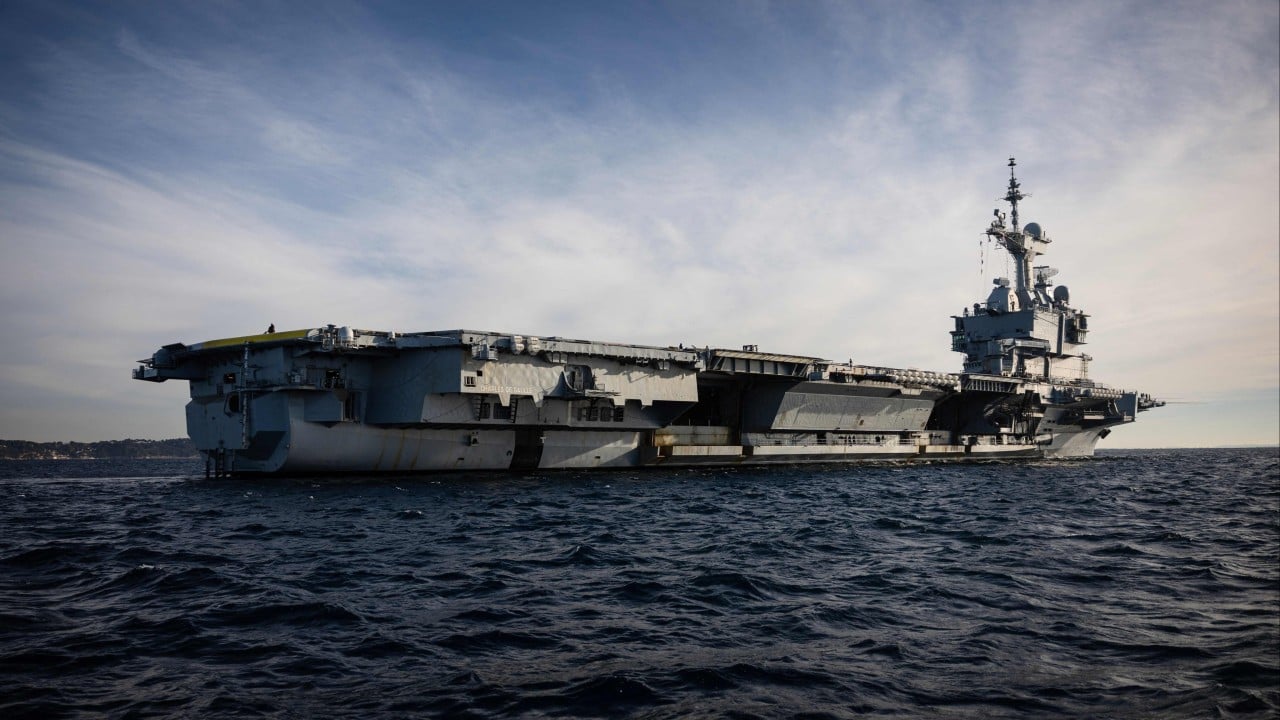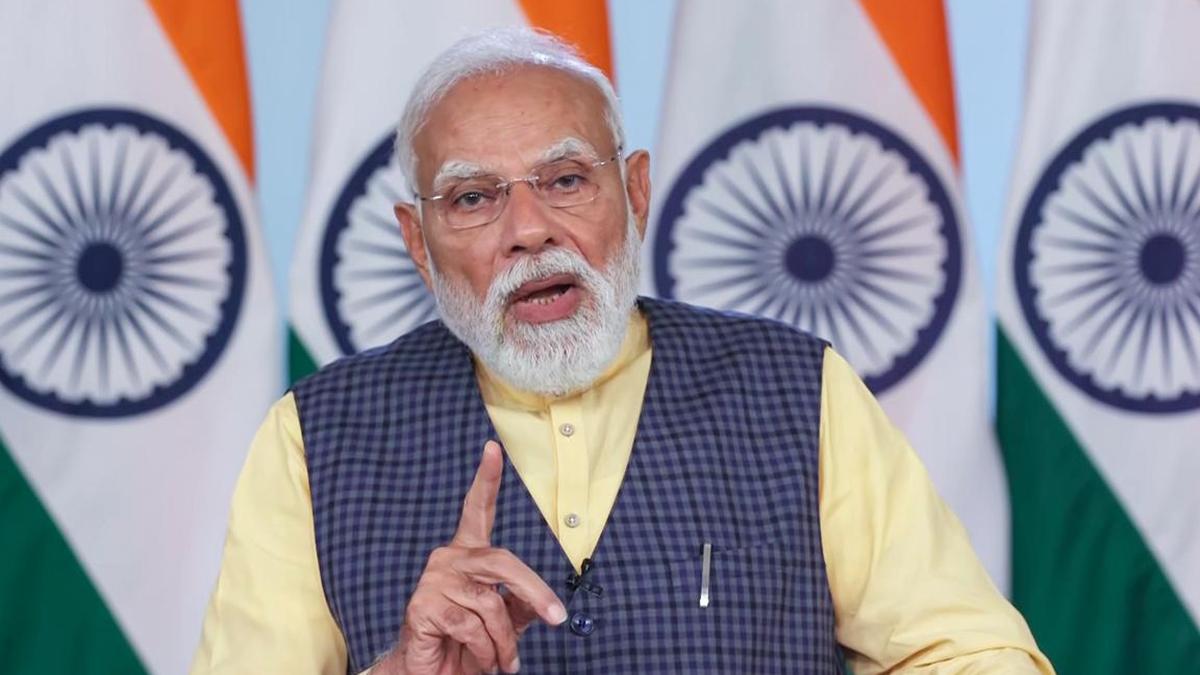
The Middle East is a powder keg, and India just grabbed a fire extinguisher. Over the last 48 hours, Prime Minister Narendra Modi hasn't just been watching the headlines; he’s been on the phone with nearly every major player in West Asia. Between March 2 and March 3, 2026, Modi reached out to the leaders of Oman, Kuwait, Qatar, Saudi Arabia, Bahrain, Jordan, and even Israel.
This isn't just standard diplomatic fluff. When the PM calls Sultan Haitham bin Tarik of Oman or the Crown Prince of Kuwait, Sheikh Sabah Al-Khaled Al-Hamad Al-Mubarak Al-Sabah, he's managing a massive domestic and international risk. The conflict between Iran, the US, and Israel has shifted from a slow burn to a direct confrontation that threatens to suck the entire Gulf region into the vacuum. For India, this isn't a "over there" problem. It’s a "right here" problem.
The 10 Million Reason Strategy
Most people don't realize that nearly 10 million Indian nationals live and work in the Gulf. That’s a massive population roughly the size of a small country living in a potential war zone. When Modi speaks with these leaders, his first and most urgent point isn't about global oil prices—it’s about the safety of the Indian diaspora.
If the sovereignty of Kuwait or Oman is violated, it’s not just a map line being crossed; it's the safety of the doctors, engineers, and laborers who send billions in remittances back to India every year that gets compromised. In his calls, Modi explicitly thanked the leaders for "taking care" of the Indian community. It’s a gentle but firm reminder that India expects its citizens to be protected while the missiles are flying.
Sovereignty and the New Rules of Engagement
India’s stance has become notably sharper. For years, New Delhi was the king of "strategic hedging"—staying neutral to avoid offending anyone. But look at the language used this week. Modi "strongly condemned" the violation of sovereignty in Oman, Kuwait, and Qatar. This is a direct response to the retaliatory strikes launched by Iran against US military installations and regional hubs like Dubai and Doha.
By using the word "condemn," India is moving away from the "both sides should de-escalate" script. It’s a shift that reflects a more assertive foreign policy. India sees itself as a "proximate neighbor" with skin in the game. It can't afford to be a silent bystander when the business and aviation hubs its economy relies on are being targeted.
Why Oman and Kuwait Matter Most
Oman and Kuwait are the quiet anchors of the Gulf. Oman, in particular, has long served as the region's "back channel" for negotiations between the West and Iran. If Oman's territorial integrity is under threat, the last remaining bridge for diplomacy might collapse.
Kuwait, on the other hand, is a critical energy partner. The disruptions in the Gulf don't just threaten oil shipments; they threaten the stability of the entire maritime trade route. Modi’s call to the Crown Prince of Kuwait was about more than just solidarity—it was about ensuring that the flow of trade and the security of the Indian workforce remain top priorities even as the security situation "deteriorates," as the Ministry of External Affairs put it.
The Israel Connection
You can't talk about these calls without mentioning the call to Benjamin Netanyahu. India is walking a tightrope. On one hand, it has deeply integrated defense and tech ties with Israel. On the other, it cannot alienate the Arab world where its energy security and people reside.
Modi’s message to Netanyahu was consistent: civilian safety must be a priority and hostilities need to stop. It’s a balancing act that few other world leaders are even attempting. While the US and Russia take sides, India is trying to keep the lines open to everyone. It’s not about being a "fence-sitter"—it’s about being the only country left that both sides will still pick up the phone for.
What This Means for You
If you’re wondering why this matters for your wallet, look at the airspace. Major airlines like Emirates and Qatar Airways have already seen massive disruptions. When the Gulf sneezes, global trade catches a cold.
If you have family in the region or business interests tied to West Asian stability, keep a close watch on the Indian Embassy advisories. The government has already activated helplines across the region. This isn't just about high-level geopolitics; it's about the logistics of keeping millions of people safe in a region that's increasingly unpredictable.
Check the official Ministry of External Affairs (MEA) portal for the latest travel advisories before planning any transit through the Gulf. If you have relatives in Kuwait or Oman, ensure they are registered with the local Indian Embassy—it's the first step the government uses to coordinate assistance during a crisis.