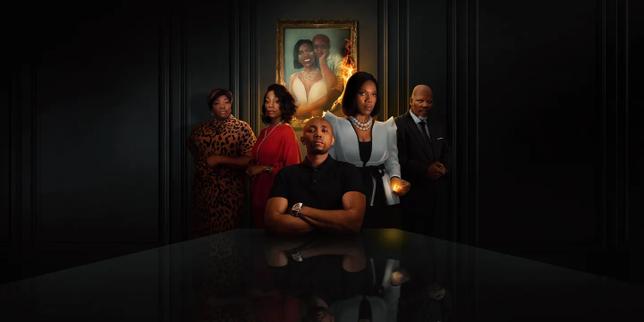
If you watched Netflix's The Polygamist expecting a dry documentary on Zulu customary law, you probably got whiplash within the first ten minutes. This show is a runaway train of scandal, betrayal, and high-stakes drama. It hit number one in twenty-one countries for a reason. But here is the secret most viewers miss while bingeing through those twenty-two episodes: the show isn't really about multiple marriages at all.
It is an unflinching autopsy of how women are socialized to endure the unendurable.
The Myth of the Perfect Wife
Let’s talk about Joyce Gomora. Played by Gugu Gumede, she is the definition of "polished." She is wealthy, professional, and keeps a social media presence that makes her life look like a curated dream. We’ve all seen this character before. She represents the "Golden Handcuffs of Perfection."
Society tells women that if they just work hard enough, look good enough, and maintain the "right" image, they can protect their families from anything. Joyce is so invested in that image that when her husband, Jonasi, begins his web of lies, her first instinct isn't to burn the house down. It’s to fix the cracks. She fears the judgment of the outside world more than the poison inside her own home. That is a trap, not a marriage.
Jonasi and the Weaponization of Tradition
Jonasi Gomora is currently one of the most hated fictional men on the planet. He isn’t just a cheater; he is a master of gaslighting. He expertly manipulates the language of tradition to suit his own whims.
In Zulu customary practice, there are specific protocols for taking a second wife, including the consent of the existing spouse. Jonasi ignores these conditions while claiming to uphold the tradition. He wants the social status that comes with being a "traditional man" without the moral responsibility that comes with it.
He treats his wives like utilities, not people. You see it in the way he treats Matipa after childbirth, demanding immediate attention regardless of her physical or emotional state. It’s a visceral, ugly look at male entitlement. He doesn't want a partner; he wants a mirror that reflects his own ego.
Why Women Stay
The most frustrating question people ask about this show is, "Why don't they just leave?"
This is where the show gets really smart. It forces you to look at the economic and social reality of these women. Leaving isn't just a matter of packing a bag. It involves untangling years of shared assets, fighting deep-seated cultural expectations, and breaking the hearts of children who are taught that a "complete" family is the ultimate goal.
Some of the women in the show have been raised to believe that their primary job is to be the "helper." They are socialized to understand a man’s nature and forgive his failings as if they were weather patterns. When you are taught from birth that your worth is measured by how much you can suffer in silence, leaving feels like a failure of your own identity.
Breaking the Cycle
The series, based on the novel by Sue Nyathi, does something rare. It doesn't give you a clean, tidy ending. It shows the messy, painful reality of what happens when the facade of the "perfect family" finally snaps.
If you are watching this and feeling triggered, it is likely because the show accurately portrays how narcissism functions in a domestic setting. Jonasi’s behavior—the lies, the manipulation of his own brother, the secret lives—is not unique to polygamy. You’ll find versions of his behavior in every country, every social class, and every culture.
The real conversation isn't about whether polygamy works. It’s about how we can build systems where women aren't forced to choose between humiliation and autonomy.
If you want to understand the show better, stop looking at it as a tale of marital arrangement. Look at it as a warning about the cost of maintaining a performance that kills your soul. Pay attention to how each woman eventually finds her way out, or doesn't.
Next time you hear someone say "traditional values," pay attention to who actually benefits from them. Often, it’s the person holding the power. If you’re looking for a show that strips away the romanticized version of marriage to reveal the power dynamics underneath, this is it. Just don’t expect to feel good while watching it. That’s the point.
Why The Polygamist is actually a masterpiece
This review provides a great breakdown of the production quality and character dynamics that make the series so addictive for international audiences.