The Vatican's New AI Alliance is a PR Masterclass and a Strategic Dud
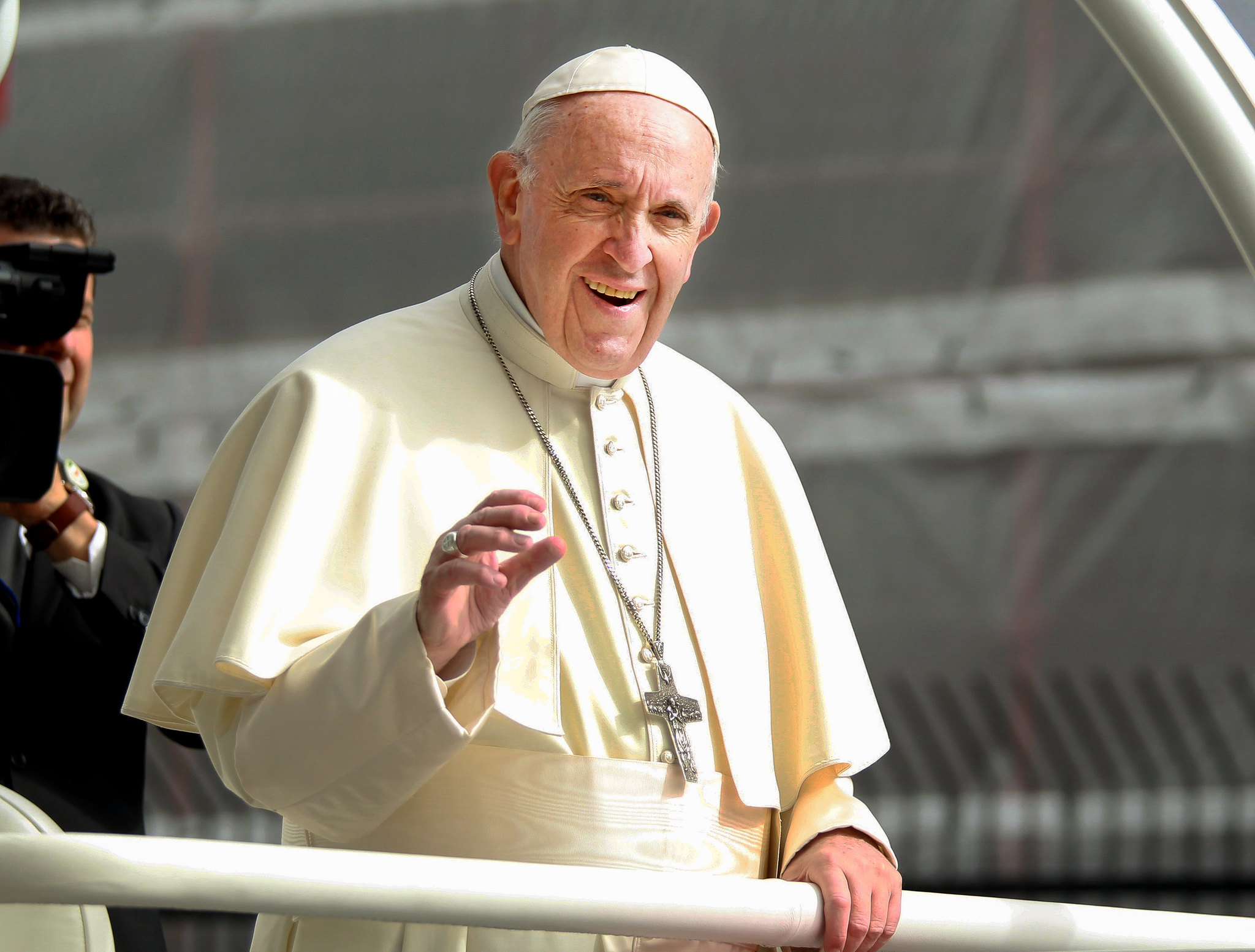
The tech elite love a pilgrimage. The latest headline-grabbing summit involves Pope Francis joining forces with an Anthropic co-founder to establish a framework for "ethical AI." The media is treating this like a historic convergence of moral authority and technological capability.
It is actually a distraction.
For years, tech executives have routinely flown to Rome, securing private audiences to discuss the soul of machine intelligence. They sign pledges. They release high-minded manifestos. They speak in hushed, urgent tones about ensuring algorithms respect human dignity.
This entire narrative rests on a fundamentally flawed premise: that the primary risk of AI is an abstract, philosophical deviation from human values that requires theological intervention to fix.
I have spent nearly two decades auditing enterprise software deployments and watching companies sink millions into compliance frameworks that do absolutely nothing to mitigate real-world risk. This Vatican partnership is the ultimate extension of that corporate theater. It treats code like an emerging deity requiring spiritual guidance, rather than what it actually is: a highly complex, capital-intensive optimization tool owned by a handful of corporations.
The "lazy consensus" loves this story because it feels profound. It allows tech founders to position themselves as modern-day Prometheans wrestling with cosmic responsibilities, while allowing religious institutions to signal relevance in a digital age. But if you strip away the stained-glass optics, you find a framework designed to solve theoretical dilemmas while ignoring the immediate, material realities of computational power.
The Illusion of Moral Algorithms
Let us look at what these ethical frameworks actually propose. They demand that AI systems be fair, transparent, and aligned with human dignity. These are beautiful words that mean absolutely nothing to a neural network.
[Massive Datasets] + [Compute Power] ---> [Statistical Predictor]
                                                  |
                                      (Where does "Dignity" go?)
An AI model does not possess intent. It does not understand the concept of a soul, nor can it comprehend the philosophical weight of Catholic social teaching. It calculates the next most probable token in a sequence or optimizes a loss function based on data curated by underpaid content moderators in developing nations.
When a tech company sits down with religious leaders to map out an ethical roadmap, they are engaging in a highly sophisticated form of regulatory capture. By framing the conversation around massive, existential moral questions, they steer public discourse away from concrete, boring, and highly disruptive regulatory interventions.
What People Also Ask: Can religious principles make AI safer?
The premise of this question is broken. It assumes safety is a philosophical disagreement. It is not. AI safety is an engineering and economic challenge.
When an algorithm discriminates against loan applicants, it is not because the algorithm lacks a moral compass. It is because the training data reflects historical lending disparities, and the optimizing metric rewards profitability over equity. You cannot fix a biased dataset by sprinkling theological virtues over the source code. You fix it with rigorous statistical auditing, strict liability for data bias, and heavy financial penalties for discriminatory outcomes.
The current focus on philosophical alignment acts as a shield. It allows tech giants to say, "Look how seriously we take human values," while fighting tooth and nail against antitrust legislation, data privacy laws, and copyright enforcement.
Why Big Tech Pivots to Philosophy When Under Scrutiny
Imagine a scenario where a major automotive manufacturer introduces a vehicle with faulty brakes. The public is outraged. Instead of recalling the cars or upgrading the engineering team, the CEO flies to a spiritual retreat to debate the metaphysics of movement and the intrinsic value of the traveler's journey.
You would laugh them out of the market. Yet, this is exactly what occurs in the technology sector every single quarter.
The tech industry embraces religious and philosophical partnerships precisely because these dialogues lack enforcement mechanisms. A papal encyclical or an ethical declaration carries immense cultural weight, but it carries zero legal teeth. It produces no fines. It forces no divestitures. It opens no proprietary codebases to public scrutiny.
- The Proactive Diversion: By leading the conversation on ethics, tech companies define the terms of the debate. They shift the metric of success from "Are you paying for the data you stole?" to "Are you building a compassionate future?"
- The Prestige Play: Aligning with historic, global institutions lends a veneer of timeless stability to volatile, hyper-growth tech companies. It suggests their products are not just commercial utilities, but historical milestones on par with the printing press or the industrial revolution.
I have sat in rooms where executives openly discuss these initiatives as "reputation insulation." It is a calculated strategy to build moral capital before the next inevitable privacy scandal or algorithmic failure hits the wires.
The Actual Threat is Over-Reliance, Not Skynet
The competitor piece warns of a future where machines decouple from human control, suggesting we need spiritual boundaries to keep them checked. This sci-fi anxiety completely misses the point.
The danger is not that AI will become too smart and overthrow us. The danger is that AI is inherently unreliable, yet we are rushing to embed it into critical infrastructure anyway because it slashes labor costs.
The Real Technical Trade-Offs
| Algorithmic Focus | Corporate Benefit | Systemic Risk |
|---|---|---|
| Philosophical Pledges | High PR value, zero operational friction | Obscures actual system vulnerabilities |
| Rigorous Hard Coding | High reliability, predictable outcomes | Limits rapid scaling and profitability |
| Statistical Probability | Cheap automation, massive scalability | Hallucinations, silent failures, bias |
When hospitals use automated systems to triage patients, or governments use algorithms to detect welfare fraud, the failures are rarely spectacular, cinematic rebellions. They are quiet, bureaucratic errors. A line of code misinterprets a data point, a confidence score drops below an arbitrary threshold, and a vulnerable person loses their healthcare benefits.
The Anthropic co-founder involved in this Vatican initiative knows this dynamic intimately. Enterprise-level language models are notoriously difficult to control. They "hallucinate" facts. They lean on correlations that have no basis in causation. To suggest that these systems can be bound by a set of high-level moral principles is a dangerous oversimplification. It misleads the public into believing these tools are far more capable and predictable than they actually are.
Stop Funding Ethics Boards. Start Hiring Adversarial Auditors.
If organizations—including the Vatican—genuinely want to protect humanity from the downsides of rapid technological deployment, they must change their approach entirely.
Stop signing declarations. Stop establishing committees dedicated to the abstract future of humanity.
Instead, look at the immediate mechanics of deployment. The only way to enforce accountability in technology is through adversarial friction.
- Fund Independent Red-Teaming: Instead of consulting on ethics, institutions should fund independent, hostile labs whose sole job is to break these models, expose their biases, and publicly publish the failures.
- Demand Strict Liability: The entities creating and deploying these models must be held legally and financially responsible for every output. If an AI provides lethal medical advice or generates defamatory content, the corporate veil must not protect the creators.
- Enforce Data Compensation: The entire AI boom is built on the uncompensated ingestion of human creative and intellectual output. True ethics starts with labor rights. If a model trains on human work, the creators of that data must be compensated. Everything else is just corporate charity.
The truth is uncomfortable: a tech company's primary duty is to its shareholders, not to human flourishment. No amount of proximity to the papacy changes that fiduciary reality. By treating tech giants as well-meaning co-creators of a moral future, we surrender our best tool for managing them: skeptical, unyielding oversight.
The next time you see a headline about a tech executive meeting a spiritual leader to discuss the soul of code, look past the optics. Look at their balance sheet. Look at their lobbying spend. Look at the lawsuits they are currently fighting. That is where their true ethics are written.