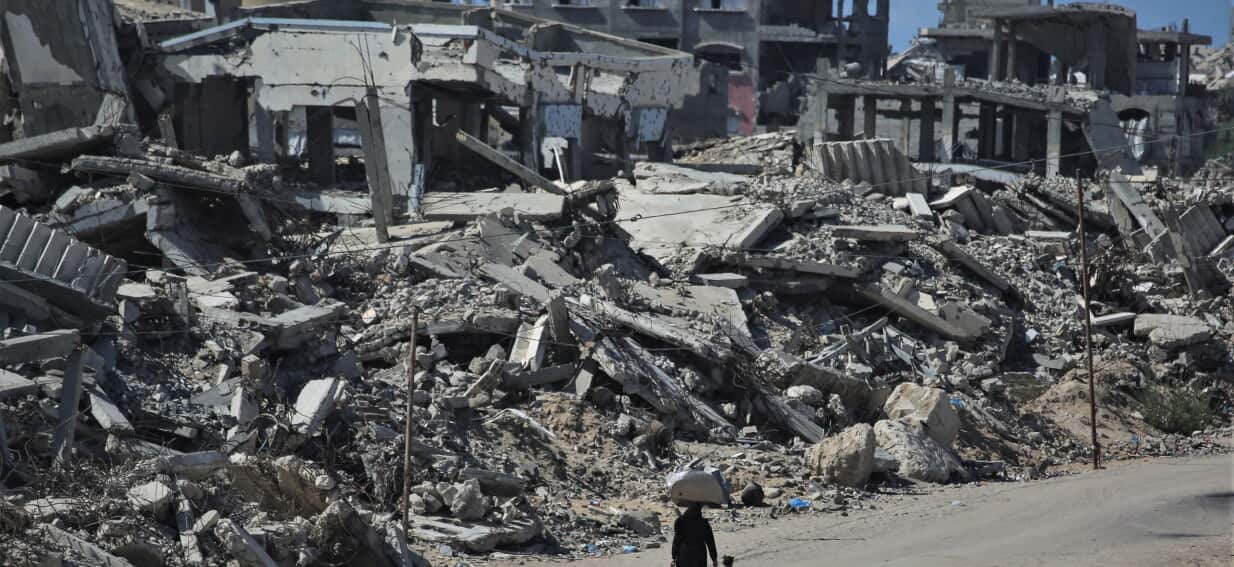
Signatures on paper rarely heal a broken ground. When international diplomats shake hands and announce a halt to hostilities, cameras flash, markets sigh with relief, and the global press moves on to the next crisis. But for the people living inside the rubble, a ceasefire isn't a peace treaty. It's often just a quieter phase of an ongoing siege.
Twelve months after a heavily brokered ceasefire went into effect in the region, the daily reality for ordinary Palestinians tells a grim story. If you talk to families trying to rebuild their lives in the shattered neighborhoods of Gaza or communities navigating intensifying checkpoints and land seizures in the West Bank, you won't hear about recovery. You'll hear about survival. The bombs might have stopped falling at the same frantic pace, but the structural violence that crippled their infrastructure, economy, and basic human rights hasn't budged an inch.
The Illusion of Reconstruction
Drive through parts of the territory today and you aren't seeing recovery. You're seeing paralysis.
International donors promised billions in aid after the guns went silent a year ago. Bureaucratic bottlenecks, severe import restrictions on building materials, and persistent blockades turned those grand rebuilding pledges into empty promises. Cement, steel, and electrical equipment remain classified as dual-use goods by occupying authorities. That means fixing a blown-out apartment wall or restoring a municipal water treatment plant requires months of paperwork, endless security vetting, and sheer luck.
Families still live in tents pitched on top of their collapsed homes. They face freezing winter nights and scorching summer heatwaves with zero insulation. Temporary housing units are scarce. Medical facilities operate out of prefabricated containers or half-destroyed concrete shells, lacking basic antiseptics, painkillers, and diagnostic machines.
When you look at the macro numbers, the picture gets even worse. Unemployment sits at astronomical highs. Young graduates who spent years earning degrees now spend their days standing in line for hours just to secure clean drinking water or a bag of flour distributed by aid agencies. The economy didn't just contract; it flatlined.
The West Bank Reality Check
While global attention fixates heavily on the physical ruins of coastal enclaves, the West Bank experiences a different kind of slow erosion.
A ceasefire in one theater didn't freeze political and territorial dynamics elsewhere. In fact, settlement expansion accelerated over the past year at a staggering pace. Outposts grew, agricultural lands were cut off by newly erected fences, and movement between Palestinian towns became an administrative gauntlet.
Commuting to work or visiting family shouldn't take four hours for a twenty-mile journey, yet that's the daily norm. Checkpoints manned by armed soldiers dictate who passes and who waits. Farmers watch their olive groves wither because permits to access their own land during harvest season get denied or delayed until the fruit rots on the branches.
This isn't peace. It's containment. It's a system designed to wear down civil society, break community cohesion, and make everyday existence exhausting.
Why Traditional Diplomacy Keeps Failing
International mediators rely on a playbook that treats deep-seated political conflicts like corporate contract disputes. They focus on temporary truces, humanitarian corridors, and prisoner swaps. Those measures are vital for stopping immediate bloodshed, but they treat the symptoms while ignoring the disease.
A sustainable resolution requires addressing the core pillars of the crisis. You can't achieve genuine peace without tackling sovereignty, freedom of movement, economic independence, and accountability for civilian casualties. When agreements ignore these fundamentals, they merely set a countdown timer for the next explosion of violence.
Human rights monitors and local grassroots groups documented numerous violations over the past year, even during the official cessation of major military operations. Accountability remains rare. Impunity breeds resentment, cementing a cycle where neither side trusts the diplomatic process.
What Needs to Change Right Now
If the international community actually wants to alter this trajectory, the strategy has to shift from emergency damage control to structural overhaul.
First, immediate pressure must be applied to lift the blockade on essential construction materials. People cannot rebuild their lives if they aren't allowed to buy bricks and pipes.
Second, funding for humanitarian aid must pivot toward sustainable economic development. Handouts keep people alive month to month, but local job creation, tech infrastructure, and agricultural support give people a future worth protecting.
Third, diplomatic pressure has to move past vague statements of concern. Enforcing international law and holding perpetrators of rights abuses accountable shouldn't be optional tools used only when politically convenient.
The Palestinians living through this post-ceasefire landscape aren't asking for miracles. They want the basic dignity of a home that won't collapse, a job that pays the bills, and the freedom to move across their own land without asking permission. Until the world forces a structural reckoning with those demands, any talk of peace remains a cruel fiction.


