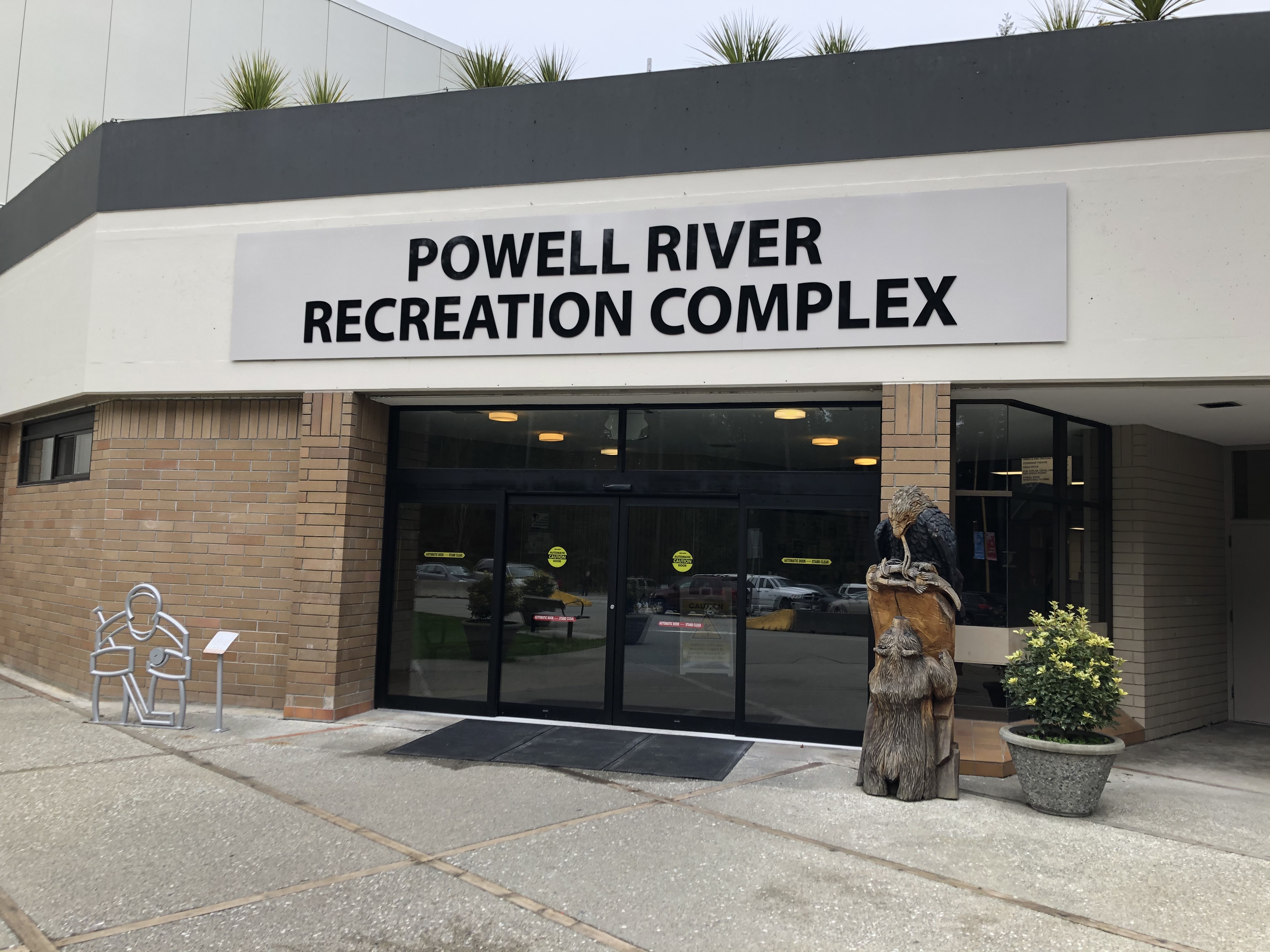
The arrest of a 44-year-old man in Powell River, British Columbia, following a string of thefts at the local recreation centre, isn't just a minor blotter entry about stolen laundry. It is a sharp indictment of how thin the veneer of safety has become in the spaces where citizens are at their most vulnerable. While the headlines focus on the bizarre nature of the items taken—specifically undergarments—the real story lies in the systemic failure of municipal oversight and the psychological toll of a violated sanctuary.
On February 26, 2026, the Powell River RCMP executed a search warrant that ended a month-long investigation into "suspicious activity" within the changing areas of the city’s primary athletic hub. For weeks, patrons had reported missing personal items, creating an atmosphere of paranoia in a facility designed for health and community. The suspect now faces multiple charges of theft and possession of stolen property. However, the legal resolution of one case does not erase the broader questions regarding why these facilities remain such soft targets for predatory behavior.
The Illusion of the Padlock
Public recreation centres operate on a social contract that is increasingly being shredded. We assume that because we paid for a membership or a day pass, the lockers provided offer a reasonable degree of protection. The reality is far grimmer. Most locker rooms are designed with visibility gaps to ensure privacy for the users, but those very design choices create blind spots that professional and opportunistic thieves exploit with ease.
In Powell River, the breach wasn't a sophisticated heist. It was a failure of basic environmental design. When a facility allows high-frequency foot traffic without stringent check-in protocols or active floor monitoring, it invites trouble. Most municipal centers rely on "patrols" that occur once every hour or two. To a motivated thief, that is an eternity of opportunity.
The items targeted in this specific spree—underwear—point toward a motive that transcends simple petty larceny. When a thief bypasses electronics or wallets to take intimate apparel, the crime shifts from a financial loss to a targeted violation of privacy. It suggests a predatory element that standard "Lock Your Valuables" signs are wholly unequipped to handle.
Why Municipalities Ignore the Security Gap
City councils rarely want to talk about locker room security because the solutions are expensive and politically awkward. To truly secure a changing area, you need more than just better locks; you need a fundamental shift in how people enter and exit the building.
- Staffing Shortfalls: Most recreation centers are chronically understaffed, with lifeguards and front-desk workers stretched too thin to monitor hallways.
- Privacy Laws: Strict regulations prevent the use of cameras in changing areas, for obvious and necessary reasons. However, these laws often prevent cameras from being placed even in the hallways leading to those areas, creating "dark zones" where suspects can disappear.
- The Cost of Technology: Modern smart-lock systems and biometric access points cost hundreds of thousands of dollars to retrofit into aging buildings built in the 1970s or 80s.
The Powell River situation shows that without these upgrades, the burden of security is shifted entirely onto the citizen. We are told to buy better locks, yet most locker hasps can be defeated by a simple pair of bolt cutters or even a heavy screwdriver. By the time the RCMP is called, the damage to the community's sense of safety is already done.
The Psychological Aftermath of Intimate Theft
We need to stop treating the theft of clothing as a "weird" or "funny" crime. It is a form of harassment. For the victims in Powell River, the knowledge that a stranger was handling their most private items—and likely watching them to time the theft—creates a lasting sense of unease.
When a person's home is burglarized, the violation is clear. When a person is targeted in a public space while they are undressed or showering, the psychological impact is arguably more acute. It turns a place of wellness into a place of hyper-vigilance. If you cannot feel safe in a community pool, where can you feel safe?
The suspect in the Powell River case was apprehended because of a combination of victim reports and diligent police work, but he is a symptom of a larger vulnerability. The focus on the "underwear" aspect of the charges often masks the fact that this individual had unfettered access to a space filled with children, seniors, and vulnerable adults for an extended period.
Rebuilding the Sanctuary
If public facilities are to survive the current wave of social instability and opportunistic crime, the management philosophy must change. It is no longer enough to provide a bench and a metal box.
Modernizing Access Control
The first step is moving away from the "open door" policy. Many successful private gyms use a tiered entry system where a member must scan their credentials not just at the front door, but at the entrance to the locker room itself. This creates a digital trail of everyone who entered the space during the time a theft occurred. While this doesn't stop crime entirely, it acts as a massive deterrent.
Personnel as a Deterrent
There is no substitute for human presence. The "janitor-only" model of locker room maintenance is failing. Municipalities need to invest in dedicated locker room attendants during peak hours—not to monitor people while they change, but to maintain a visible, authoritative presence that discourages loitering and tampering.
The Role of Design
Future builds must prioritize "defensible space." This means shorter corridors, better lighting in transition zones, and lockers located in high-visibility areas rather than tucked away in labyrinthine backrooms. Some modern facilities are moving toward universal, individual changing stalls that open directly into a common, camera-monitored hallway. This eliminates the "locker room" as a lawless zone while preserving individual modesty.
A Warning to Other Communities
What happened in Powell River is a warning shot for every small town and mid-sized city across the country. The assumption that "that kind of thing doesn't happen here" is a luxury we can no longer afford. Criminals are increasingly targeting smaller jurisdictions because they know the security infrastructure is decades behind the times.
The charges filed this week are a victory for the RCMP, but they are a cold comfort to the people who no longer feel comfortable using the local pool. The city must now decide if it will simply pat itself on the back for the arrest or if it will take the hard, expensive steps to ensure this doesn't happen again.
Check the security protocols at your local gym or recreation center today. If the only thing standing between your privacy and a predator is a five-dollar padlock and a "Use at Your Own Risk" sign, the facility is failing you. Demand better.
Contact your local parks and recreation department to ask for an audit of their locker room access logs and surveillance coverage in common areas.