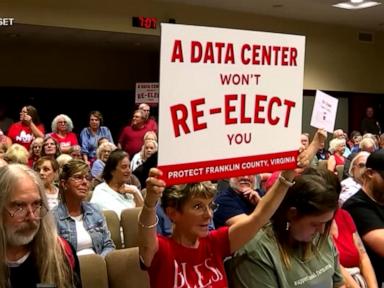
With the midterms looming, a ferocious wave of grassroots resistance against massive artificial intelligence infrastructure is colliding with the political establishment. Candidates from both major parties are scrambling to adjust as anger over massive server farms morphs from localized zoning disputes into a defining electoral flashpoint. Across the United States, voters watching their utility bills creep upward are asking an uncomfortable question about who truly benefits when digital behemoths move into their neighborhoods.
For years, local economic development boards welcomed massive server complexes with open arms, viewing them as tax windfalls that would magically enrich municipal coffers. That illusion has shattered under the sheer physical weight of the infrastructure required to train modern machine intelligence models. These facilities do not resemble quiet office parks. They are industrial giants, frequently sprawling across dozens of acres, humming with relentless acoustic drone, and consuming volumes of electricity and water that rival mid-sized manufacturing cities.
The friction is intensely physical. When a facility the size of multiple football fields drops into a rural or semi-suburban county, the immediate local impact is jarring. Heavy construction traffic chews through rural roads originally paved decades ago. Water tables face unprecedented strain as millions of gallons are cycled daily to keep specialized server racks cool. Most alarming to everyday residents are the projections for electrical grid capacity. Regional utility operators warn that feeding the insatiable appetite of large-scale machine learning infrastructure could force ratepayers to shoulder the cost of grid upgrades, driving up household electricity bills just as cost-of-living pressures dominate voter anxieties.
This convergence of environmental strain and economic anxiety has short-circuited traditional partisan alignments. In conservative strongholds across states like Texas and Utah, staunchly Republican voters find themselves organizing against multi-billion-dollar tech projects backed by prominent investors, citing threats to local water security and rural tranquility. Simultaneously, progressive communities in states like California and New York are mobilizing neighborhood coalitions to halt similar developments, framing the issue around air quality and corporate resource extraction. Gallup polling indicates that roughly seven in ten Americans oppose the construction of these facilities in their local areas. That level of widespread opposition represents a statistical unicorn in an era defined by hyper-polarization.
Political strategists on both sides of the aisle are taking notice as the midterm calendar enters its final stretch. In key electoral battlegrounds, legislative candidates are weaponizing the issue against incumbents who previously championed corporate tech subsidies. Campaign advertisements now feature aerial footage of massive grey concrete boxes looming over quiet residential properties, paired with warnings about surging utility rates and strained water reserves. The National Republican Senatorial Committee and parallel Democratic campaign arms have issued internal warnings to candidates that failing to address local grievances over digital infrastructure risks alienating key voting blocs.
State capitals are reacting to the electoral pressure with legislative whiplash. Governors who once tripped over each other to offer generous tax exemptions are suddenly backing away from fast-track approval processes. Pennsylvania recently enacted rigorous regulatory guardrails for digital infrastructure development, while lawmakers in other states pursue strict local approval mandates and zoning restrictions. Even staunch industry advocates are discovering that defending a multi-billion-dollar server park is a liability when voters are worried about the lights staying on and monthly utility bills remaining manageable.
At its core, the backlash is less about the abstract promise of automated intelligence and more about a fundamental dispute over accountability and local sovereignty. Communities feel steamrolled by centralized decisions made thousands of miles away by executives who will never hear the hum of the cooling fans or pay the higher electric bills. As these infrastructure battles play out in ballot boxes and town council chambers, the tech sector is learning a hard lesson. No amount of computational power can override the political will of voters determined to protect their backyards.