Concrete sweats when the air refuses to move.
I remember the smell of it first. Not just the stale breath of three hundred men packed into a space built for fifty, but the specific, sour tang of panic. When you live inside a system designed to forget you exist, time stops being a measure of hours and turns into a physical weight. It sits on your chest. It presses against your temples until the smallest spark becomes a wildfire.
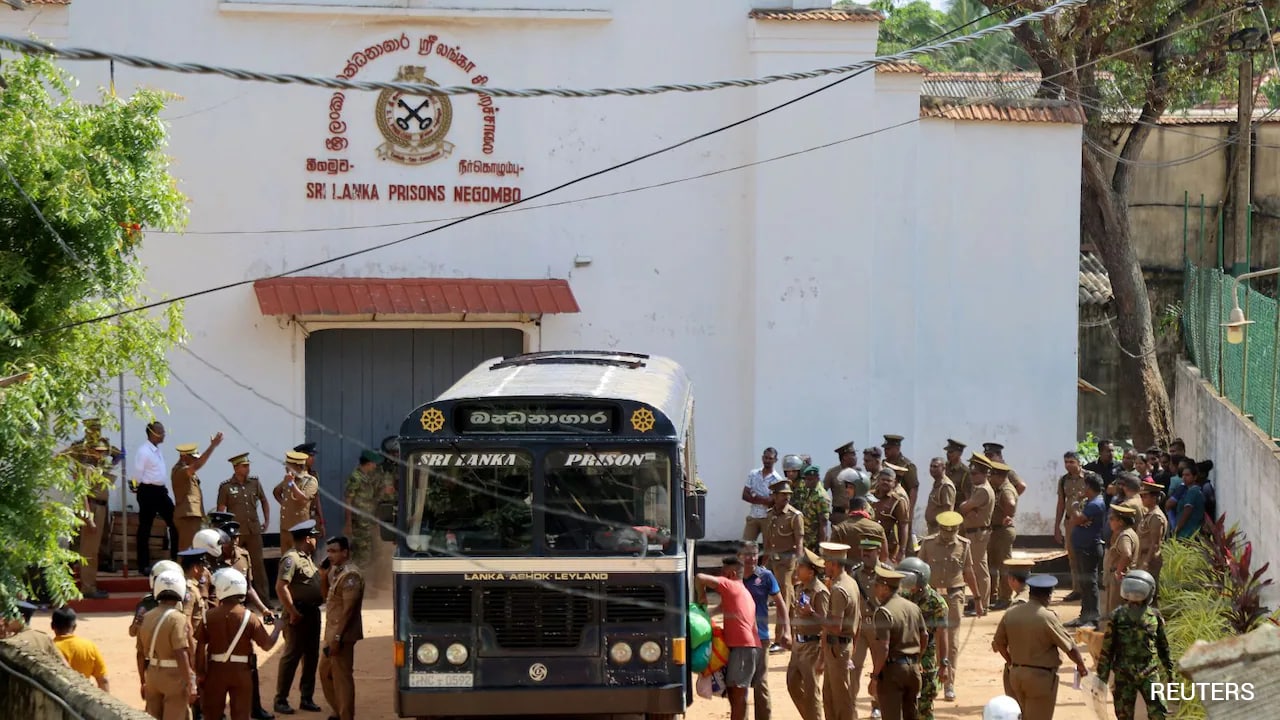
Three bodies. Twenty broken frames. That is the cold ledger left behind after the smoke cleared from the Sri Lanka prison riots. Headlines across the world dutifully recorded the toll of the explosion, nodding solemnly at the chronic overcrowding crisis before scrolling away to the next breaking tragedy. But numbers on a screen fail to capture the sound of a heavy steel door rattling under the desperate hands of men who have nothing left to lose.
Let us be entirely clear about what an overcrowding crisis actually means. It is not an abstract bureaucratic metric. It is not a line item in a governmental audit. It is the raw, suffocating reality of living shoulder-to-shoulder in stagnant heat, sleeping in shifts because the floor offers no square inch for everyone to lie down at once. It is the slow unraveling of human dignity, stretched until it snaps.
Consider what happens next when the pressure reaches its absolute limit.
Imagine a facility designed to hold a fraction of its current inhabitants. The infrastructure groans. Plumbing fails. Clean water becomes a luxury traded for favors or fought over in dark corridors. Food arrives late, meager, and unpalatable. Inmates linger for months, sometimes years, waiting for trial dates that recede like mirages in the desert. The courts move with glacial indifference, while the cellblocks swell past the breaking point.
Into this volatile vacuum steps fear.
When a minor dispute breaks out over a ration or a scrap of ventilation, it does not stay small. There is no room to walk away. There is no quiet corner to cool down. Every argument happens in public, witnessed by an audience already vibrating with raw nerve endings. On that fateful day, the spark did not need to be large. A rumor of neglect, a denied request, a sudden show of force by guards caught in their own impossible predicament—any of these could flip the switch.
Suddenly, the yard erupts.
Shouts bounce off the damp masonry. Alarms shriek, cutting through the humid air with a metallic frequency that sets teeth on edge. Security forces, outnumbered and overwhelmed, rely on the only tools they trust to restore order: containment, escalation, and force. Rubber bullets give way to harsher realities. Tear gas chokes the stairwells, turning the concrete labyrinth into a blinding, coughing maze where nobody can tell friend from foe.
Men run. Men fall.
The aftermath is always the same quiet horror. Silence returns, but it is a heavy, toxic silence born of exhaustion and grief. Sirens wail in the distance, ferrying the injured to overcrowded local hospitals that are scarcely better equipped to handle the surge than the cells they just left. Families gather outside the iron gates, clutching crumpled identification papers, scanning official lists with trembling fingers, praying their son, brother, or father is not among the nameless casualties.
We look at these events from the outside with a comfortable sense of distance. We tell ourselves that this is an isolated failure of a distant correctional system. We view it as a foreign tragedy happening behind high walls to people who made bad choices.
That detachment is a luxury built on ignorance.
Prisons are mirrors of the societies that construct them. When a justice system relies on mass detention as a default setting for every social ill, it guarantees the creation of these ticking bombs. Overcrowding is not an accident. It is the predictable outcome of policy choices made by leaders who refuse to look at the human cost of their ledgers. It is what happens when we treat incarceration as a garbage disposal for inconvenient populations, pushing them out of sight and out of mind until the container bursts open at the seams.
Change rarely visits these places voluntarily. It takes a tragedy of this magnitude to briefly pry open the public consciousness, exposing the rot for a brief news cycle before the dust settles and the gates swing shut once more. But the underlying math remains unchanged. The cells remain full. The trials remain delayed. The air inside continues to heat up, degree by degree, waiting for the next inevitable spark.
Somewhere in the dark, a steel door vibrates against its frame. Someone shifts his weight on a concrete floor, waiting for a dawn that brings no relief. And the walls hold fast, keeping the secret until the next time they break.