The neon sign of the bakery on Valiasr Street blinks twice before dying entirely. Inside, the air smells of scorched flour and old sweat. Reza wipes his palms on a stained apron, watching the flour dust settle over his ledger like winter frost. For three decades, this ledger has recorded the life of a neighborhood. Lately, it reads like a tragedy.
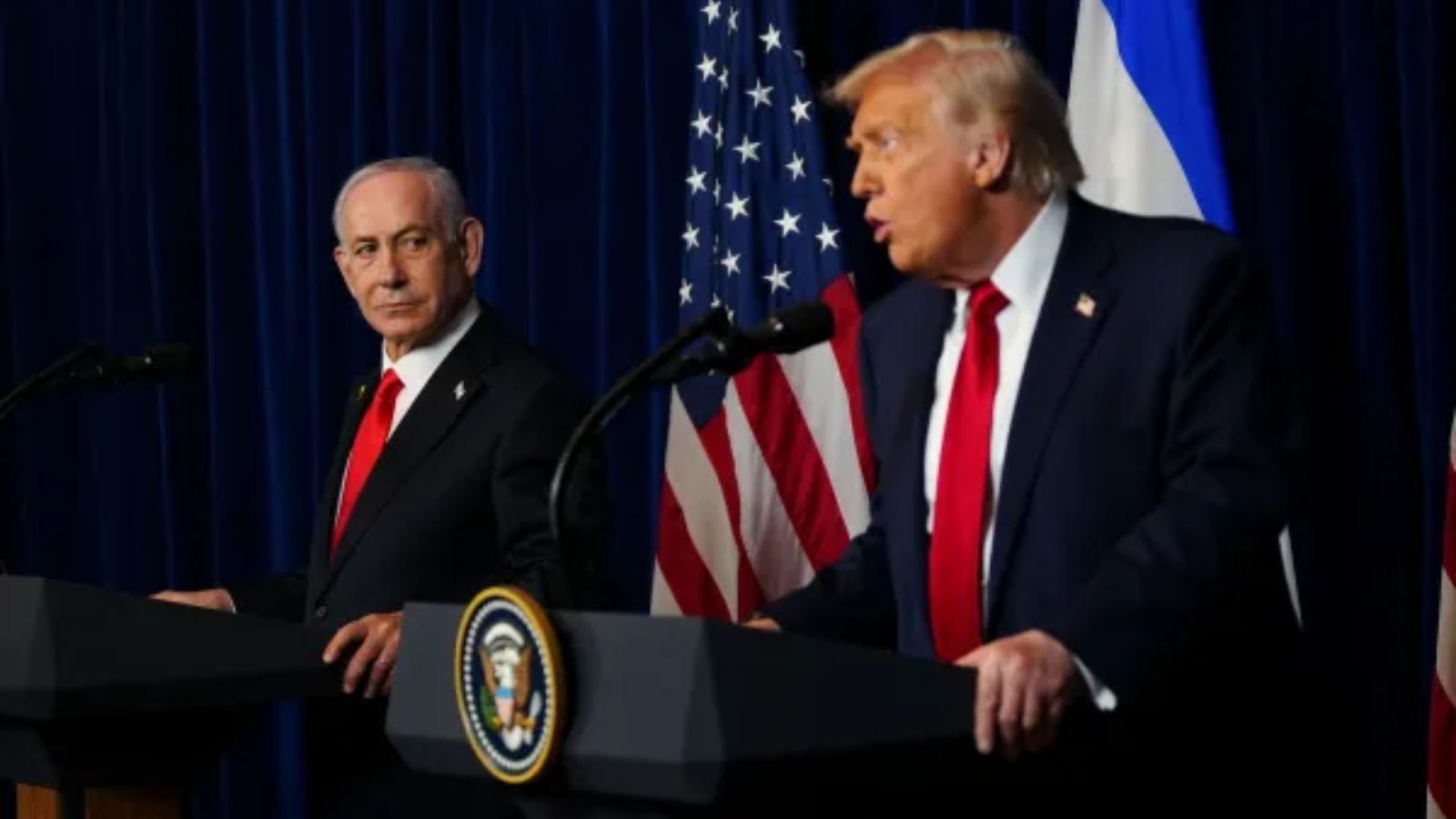
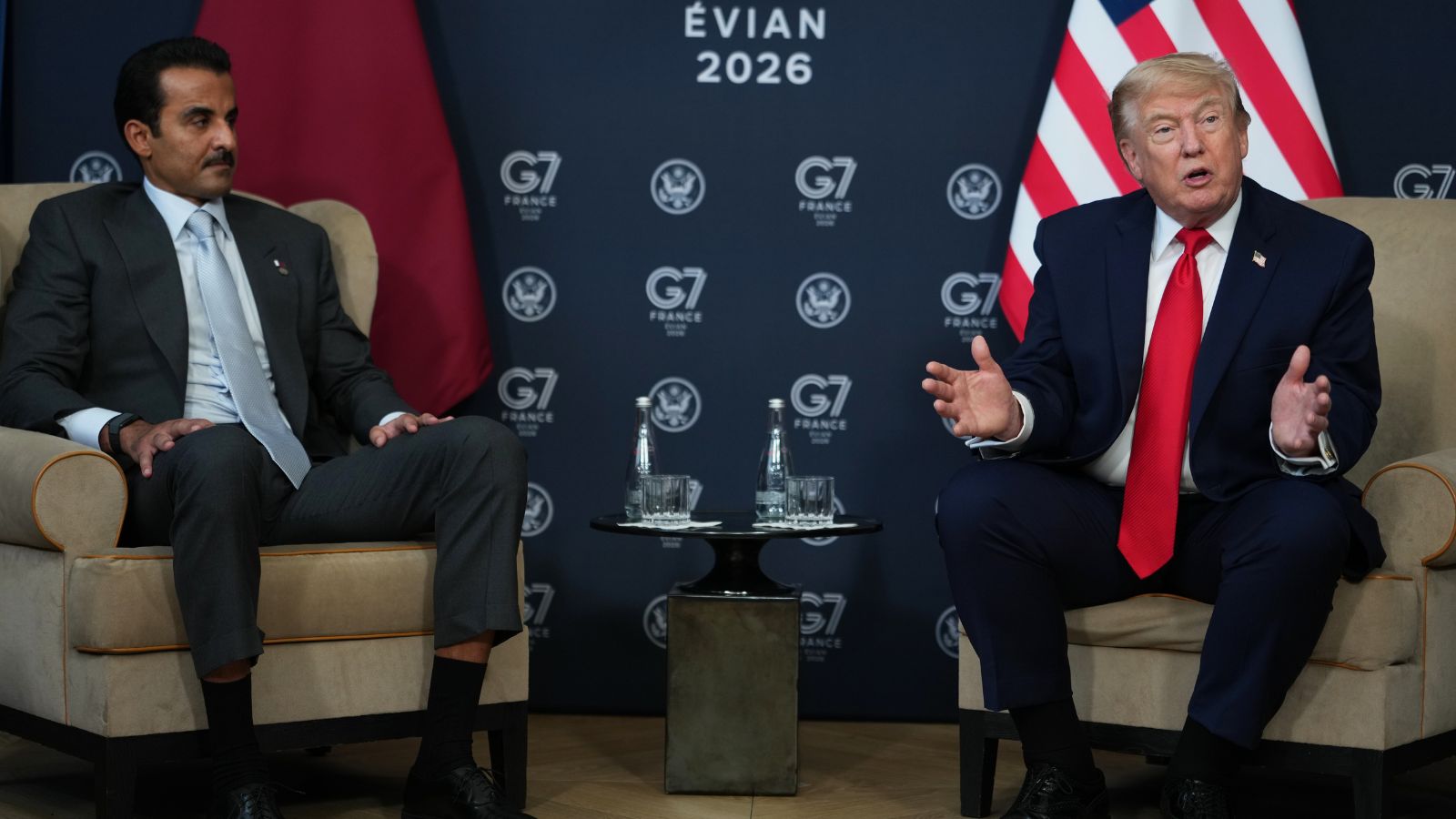
State television hums from a small plastic radio on the shelf. The announcer’s voice is triumphant, dripping with the forced enthusiasm of bureaucracy. He talks of diplomatic breakthroughs, of frozen assets unfrozen, of a deal struck across oceans that proves the resilience of the nation. The government is calling it a victory. They paint it as a moment of triumph, a chess move that forced the West to blink.
Reza does not feel victorious. He looks at the price of yeast.
Away from the microphones and the polished mahogany tables of international summits, there is a parallel reality. It is a world measured not in geopolitical leverage, but in the cost of a single carton of milk, the unavailability of cancer medication, and the slow, agonizing erosion of the middle class. While the headlines frame the new agreement with the United States as a strategic win, the people living on the ground know the truth.
This was not a victory. It was a gasp for air.
The Arithmetic of Survival
To understand why the official narrative rings hollow, one has to look at the anatomy of a sanctioned economy. Imagine a household where the front door is barricaded, the water lines are cut, and the only way to get food is through a tiny, heavily taxed window in the basement. You do not celebrate when the person holding the barricade agrees to let you open the window an extra inch. You simply try to stop suffocating.
For years, ordinary citizens have borne the brunt of economic isolation. Inflation is not an abstract percentage published by a central bank; it is a monster that eats savings accounts overnight.
Consider Mariam, a high school biology teacher in Isfahan. Her salary has technically increased over the past five years, yet her purchasing power has plummeted. She used to buy red meat twice a week. Then it became twice a month. Now, it is a luxury reserved for holidays. When the news of the deal broke, her neighbors cheered in the courtyard, hoping the currency would stabilize. Mariam stayed inside, calculating her rent.
The state sells the agreement as a validation of its foreign policy. The logic is simple: we held our ground, we resisted, and now they are returning to the table. It is a narrative designed to maintain dignity and project strength to a domestic audience that is increasingly fatigued. But dignity does not pay the electric bill.
The funds being released—billions of dollars once locked away in foreign banks—are desperately needed. Yet, history has taught the average citizen to be cynical about where that money goes. When the state coffers fill up, the wealth rarely trickles down to the bakeries or the schools. Instead, it patches the holes in a bloated state apparatus, services national debt, or funds regional priorities that feel incredibly distant to a mother trying to buy shoes for her growing child.
The Invisible Toll
The true cost of the status quo is measured in human capital. Walk through the engineering departments of universities in Tehran or Shiraz, and you will find the real tragedy of isolation. The brightest minds, the young men and women who should be building the country’s future, are studying German, French, and English. They are not looking for jobs at home. They are looking for an exit.
Brain drain is a quiet hemorrhage. It doesn't make the evening news, but it hollows out a society faster than any embargo. The young people leaving are the ones who could modernize the infrastructure, revolutionize the tech sector, and fix the broken banking system. They leave because they are tired of waiting for a future that is perpetually delayed by geopolitical stalemates.
The deal offers a temporary reprieve, a momentary pause in the downward spiral. It might stabilize the rial for a few months. It might allow a few containers of vital medical supplies to clear customs without a mountain of red tape. But it does not address the structural rot. It does not fix the corruption, the mismanagement, or the fundamental mismatch between a young, globalized population and a government frozen in time.
But the real problem lies elsewhere.
Every time a deal is struck and then subsequently torn apart by a change in leadership in Washington, the psychological toll deepens. Trust is a finite resource. When the Joint Comprehensive Plan of Action was signed years ago, people danced in the streets. They believed the wall was coming down. When it collapsed, the disappointment was crushing. This time, there are no dances. There is only a grim, collective shrug.
The View from the Counter
Back in the bakery, a customer enters. It is an elderly man named Mr. Khosrovi, a retired civil servant whose pension has been rendered nearly worthless by successive waves of devaluation. He counts out his coins carefully, his fingers trembling slightly.
Reza hands him the bread, warm and flat, wrapping it in a sheet of old newspaper. The headline on the paper boasts of the new diplomatic era. Neither man looks at it.
"Will things get cheaper now?" Mr. Khosrovi asks, his voice barely a whisper above the hum of the ovens.
Reza wants to offer comfort. He wants to say that the victory announced on the radio will change the price of flour tomorrow. He wants to believe that the international chess game has a happy ending for the pawns.
Instead, he just shakes his head gently.
The deal is a lifeline, but a lifeline is not a cure. It keeps the body alive, but it does not heal the wounds. For the politicians, it is a document to be signed, a talking point for the next press conference, a feather in a diplomatic cap. For the people of Iran, it is simply another day of navigating the thin, precarious line between survival and ruin.
The radio announcer moves on to the sports segment, his voice remaining exactly the same pitch of manufactured cheer. Outside, the traffic on Valiasr Street crawls forward, a sea of yellow taxis and sputtering motorbikes, everyone rushing home before the streetlights flicker out.