The ledger of a king is rarely an open book. For centuries, the financial machinery of the British monarchy operated behind heavy oak doors and polite, constitutional silences. A monarch did not pay taxes, because the concept of a ruler funding their own state was a logical paradox. The law explicitly carved them out of the system.
But tradition is a fragile shield against modern exhaustion.
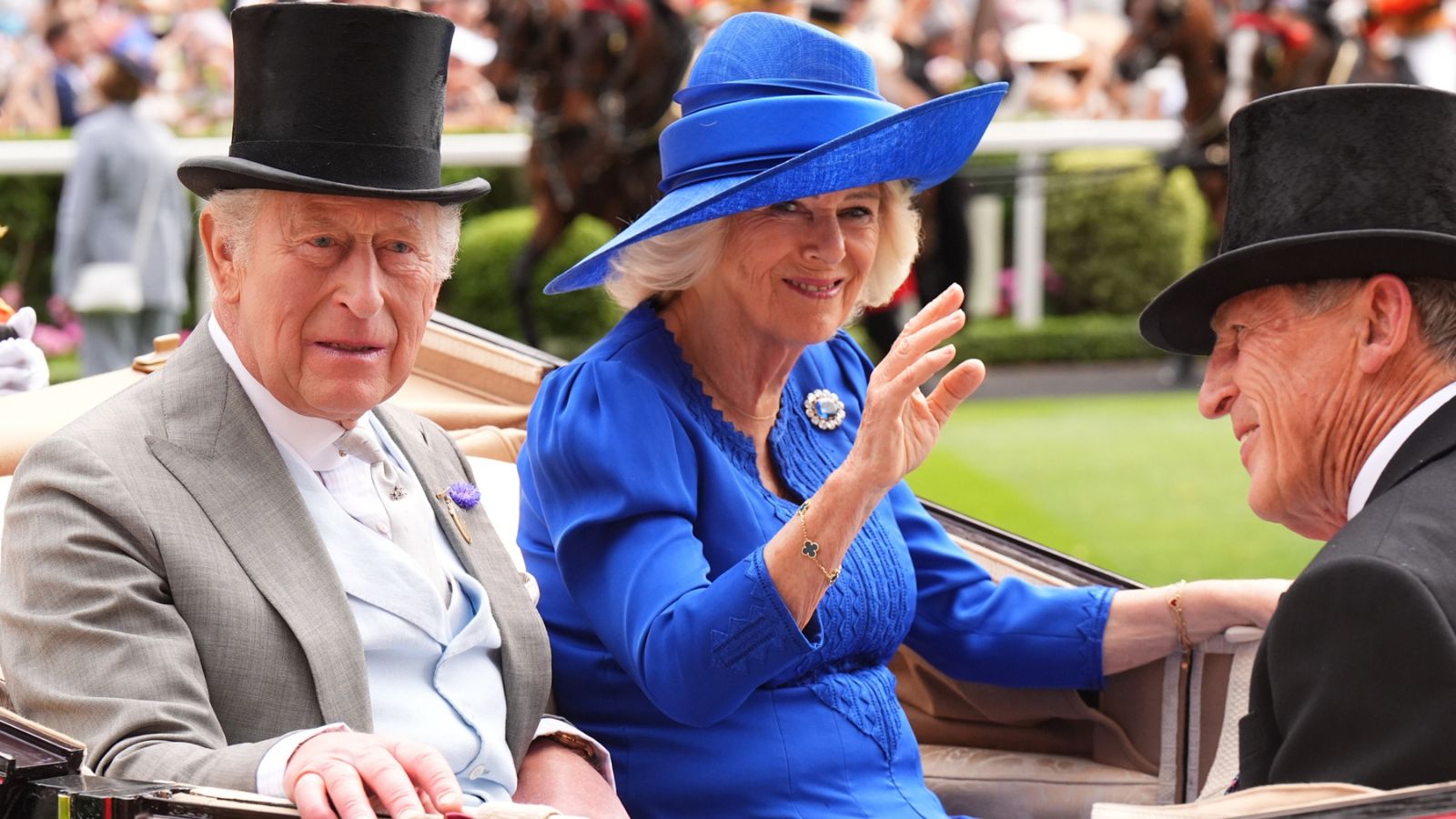
Buckingham Palace announced that King Charles III will become the first British monarch in history to publicly publish his personal tax bill. The disclosure, tracking the 2024–25 financial year, strips away a layer of mystique that has enveloped the House of Windsor for generations. This isn't just about numbers on a spreadsheet. It is about a 77-year-old man realizing that the survival of his family's oldest institution requires doing something his ancestors would have considered an absolute indignity: showing his receipts to the public.
To understand why this matters, consider a hypothetical citizen. Call her Sarah. Sarah lives in an apartment in Leeds. Every month, her paycheck arrives with the income tax automatically deducted. She sees the cost of her groceries climb, watches her local council struggle to fix potholes, and fills out her tax forms with a mixture of civic duty and quiet resentment. For people like Sarah, the royal family has long existed in a financial stratosphere that feels entirely disconnected from the gravity of everyday survival. When the state asks Sarah for her share, she looks up at the palace and wonders what they are giving back.
King Charles knows this. He spent decades watching the public mood shift from deference to skepticism while waiting to inherit the throne.
The money in question is immense. The King's private portfolio is anchored by the Duchy of Lancaster, an ancient estate of commercial properties, agricultural land, and investments that brought in £26.8 million last year alone. Then there are the sprawling private estates of Sandringham and Balmoral, inherited from his mother, Queen Elizabeth II, entirely untouched by inheritance tax due to a long-standing government agreement that shields sovereign-to-sovereign bequests.
Legally, the King does not owe the British government a single penny on this income. The law exempts him entirely. But since 1993, the monarchy has operated on a system of voluntary compliance. Queen Elizabeth II began paying income and capital gains taxes after public anger boiled over regarding who would foot the bill to repair Windsor Castle after a devastating fire. It was a tactical retreat disguised as a gesture of goodwill. Charles is taking that retreat a step further by showing the exact math.
But the real problem lies elsewhere, and it is a problem named Prince Andrew.
The decision to open the books follows a grueling period of reputational damage for the royal family, heavily driven by the financial and personal scandals surrounding the King's younger brother. A recent National Audit Office investigation revealed that Andrew had been quietly generating personal income by subletting cottages on the Windsor estate, all while living in a 30-room mansion under a highly criticized rent-free agreement.
For a public enduring a cost-of-living squeeze, the image of a disgraced former prince acting as a landlord on public land while paying symbolic "peppercorn rent" was toxic. It broke the unspoken social contract between the rulers and the ruled. The door to scrutiny didn't just creak open; it was kicked off its hinges.
By publishing his personal tax details, Charles is trying to draw a line between his personal finances and the behavior of his relatives. He is trying to show that he understands accountability, even if it forces him into an uncomfortable contrast with his own son. Prince William, who inherited the billion-pound Duchy of Cornwall estate and pulled in nearly £23 million last year, also pays the top rate of income tax voluntarily. But William has chosen not to disclose his actual tax bill. The heir still clings to the old privacy; the King can no longer afford to.
Skeptics argue this transparency is an illusion. Campaign groups like Republic have already pointed out that a self-declared tax bill, unchecked by an independent auditor, allows the palace to control the narrative. They will frame Charles as a massive taxpayer, but the public will still be left asking why his private income is so high in the first place, especially as the publicly funded Sovereign Grant—used to pay for official royal duties—surged to £132.1 million.
The tension is real, and the stakes are survival. Charles is gambling that vulnerability will breed trust. In an era where authority is questioned and privilege is loathed, the King is stepping down from the pedestal to prove he pays his dues like everyone else.
On Thursday, the numbers will be laid bare. The public will see the exact price Charles pays to maintain his position in a changing world. It is a calculated move toward modernization, but it strips away the ancient magic of the crown, replacing it with the cold, hard reality of a tax return.