You clutch the paper itinerary tightly, your fingers leaving damp creases against the crisp ink. It promises crystal waters, ancient alleys steeped in copper-toned sunlight, and a break from the relentless rhythm of ordinary life. You paid for escape. You paid for wonder.
Instead, you find yourself standing inside a fluorescent-lit showroom three miles outside the city center, your tour guide blocking the only exit.
This is not a vacation. This is a hostage situation disguised as retail therapy.
Across the globe, the tourism industry operates on a fragile ecosystem of trust. We hand over our hard-earned savings to strangers who promise to navigate foreign streets, translate confusing customs, and protect us from harm. We assume safety. We assume competence. But beneath the polished veneer of brochures and promotional videos lies a darker underbelly, one where the traveler is not a guest, but a walking wallet targeted by aggressive extraction.
Consider what happens next in these darkened showrooms.
The air conditioning hums aggressively. The sales clerks, armed with memorized scripts and high-pressure tactics, surround your group. They speak of rare jade, miraculous medicines, or luxury silk, their voices rising in urgent crescendos. You look around for your guide, the person whose very job description includes keeping you safe. They are smiling, nodding, and whispering encouragement to buy. They are not protecting you. They are collecting a commission.
This reality hit the headlines recently in Hong Kong, a metropolis famed for its neon-lit efficiency and bustling street markets. Two local travel agencies and an individual tour guide found their licenses stripped away by authorities. The offense was severe: coerced shopping.
To understand the gravity of this punishment, we have to look past the bureaucratic language of regulatory bodies. Revoking a license is not just paperwork. It is an execution of professional capital. It is the legal system drawing a hard red line between legitimate hospitality and economic extortion.
Picture a family saving for years. Every missed dinner out, every extra shift picked up on a freezing Tuesday night, funneled into a dedicated savings jar labeled simply: Hong Kong. They arrive expecting the fragrance of dim sum and the thrill of the Peak tram. They are ushered instead into a labyrinth of locked doors and forced purchases, told that their tour bus will simply not leave until quotas are met.
Fear sets in. You are in a foreign territory. You do not speak the local dialect fluently. You want to see the skyline, not fight a battle over overpriced souvenirs you never wanted. So, you pull out your credit card. You swipe. You trade your peace of mind for a quick exit.
That is the invisible cost of coerced shopping. It robs people of their memories, replacing the joy of discovery with a lingering bitter taste of exploitation.
Regulatory authorities stepping in to strip licenses is a necessary shock to the system. It sends a message across the global tourism sector that the era of treating tourists as captive audiences is drawing to a close. But the paperwork won't wipe away the emotional toll on the traveler whose trip was hijacked by greed.
The traveler's vulnerability is unique. When you buy a defective television, you return it to the store. When you buy a ruined vacation, the time is gone forever. You cannot un-spend the afternoon you spent trapped behind a velvet rope while a salesperson lectured you on the spiritual properties of plastic jewelry.
Trust is a glass bridge. It takes years to lay down every plank, and only a single heavy boot to shatter it.
When agencies engage in predatory retail schemes, they do not just cheat an individual traveler; they poison the well for an entire industry. They break the unspoken contract between the wanderer and the host. They turn curiosity into suspicion.
The next time you book a trip, pay attention to the small print. Look for the independent reviews that whisper about hidden stops and unexpected detours. Ask the hard questions before you hand over your deposit. Because somewhere out there, beneath the glow of neon signs, another bus is turning down a quiet side street toward a door that locks from the inside.
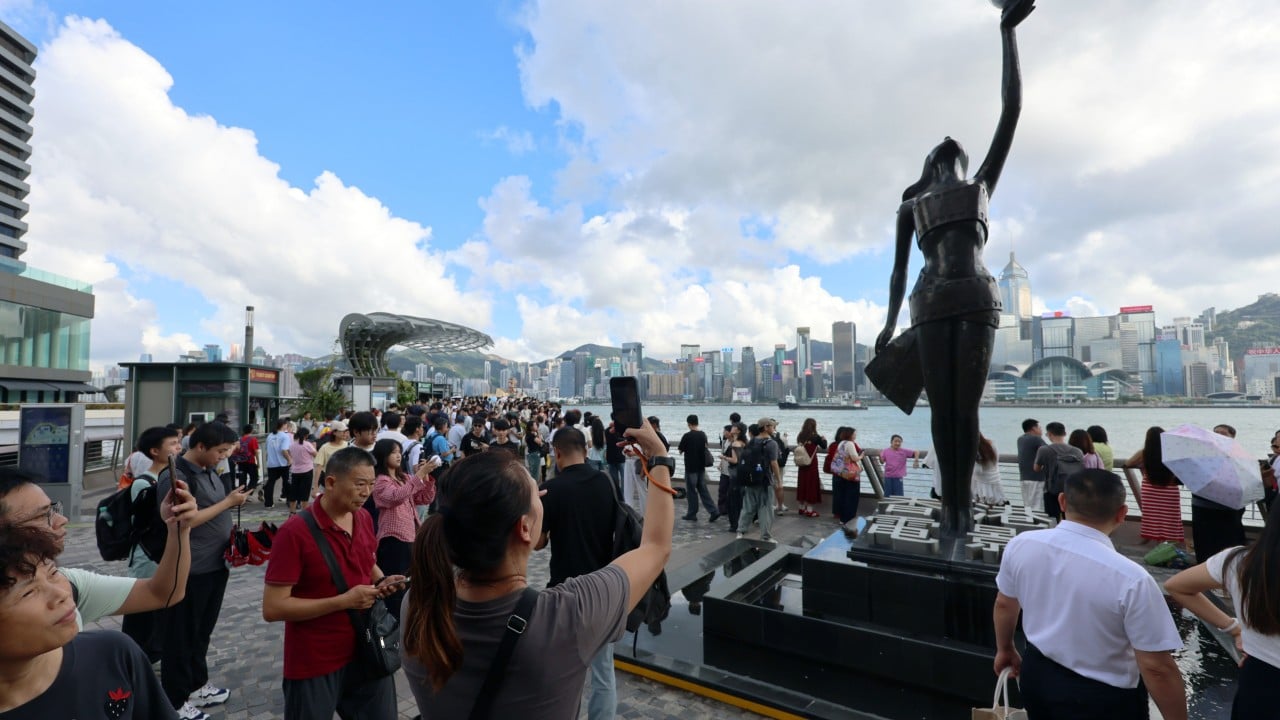
The sun sets over Victoria Harbour, painting the water in strokes of amber and violet, turning the skyscrapers into jagged silhouettes against the dusk. Out on the pier, the breeze carries the scent of salt and roasted chestnuts, fresh and wild and completely free.