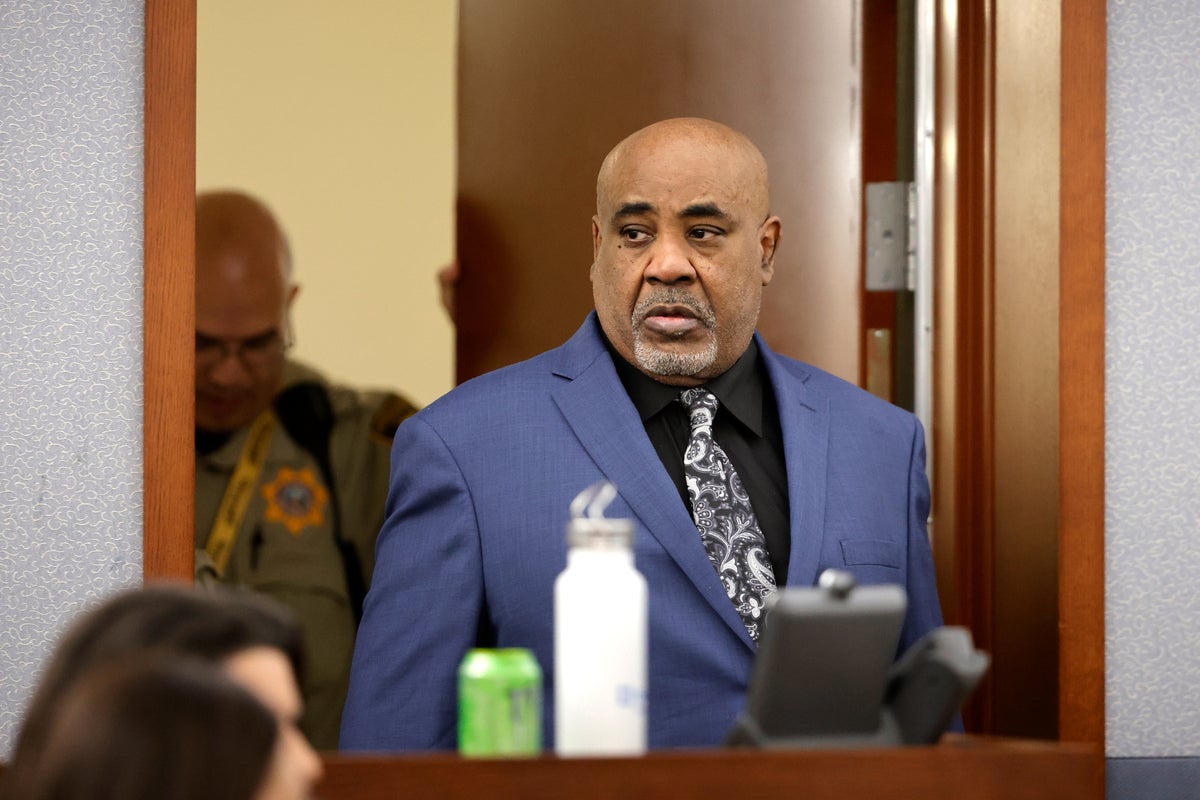
The courtroom does not care about your childhood. It does not bend for royal blood, nor does it soften under the weight of a lifetime spent dodging the flashing bulbs of the paparazzi. When the heavy wooden doors of the High Court in London swing shut, the echoes of the public square die out. Inside, there is only the cold, unyielding architecture of the law.
For Prince Harry, a man whose entire existence has been a tug-of-war between the public right to know and the private right to breathe, the courtroom was supposed to be a sanctuary. It was meant to be the place where the chaotic, intrusive noise of the British tabloids was finally forced to answer to a higher authority. Instead, it became the setting for a stark lesson in the rigidity of legal boundaries.
The battle lines were drawn over a series of articles published by Associated Newspapers, the media giant behind the Daily Mail and the Mail on Sunday. The accusation was heavy: an alleged illegal invasion of privacy. But the law, as it so often does, chose to look past the emotional core of the grievance to focus on the fine print of the clock.
The Weight of the Clock
Time is a quiet thief. In the legal realm, it is also an absolute executioner.
To understand why a judge would throw out a prince’s deeply personal crusade before a jury could even hear the full story, you have to look at the invisible boundary known as the statute of limitations. In the United Kingdom, the Limitation Act 1980 sets a strict six-year deadline for bringing claims of this nature to court.
Consider a hypothetical citizen named Arthur. If Arthur's home is broken into, or his private correspondence stolen, the countdown begins the moment the infraction occurs, or at the very least, the moment Arthur reasonably should have noticed the lock was broken. If Arthur waits seven years because he was processing the trauma, or because he was distracted by other crises, the court will likely bar the door.
The law values finality. It demands that disputes be settled while memories are fresh and evidence is intact.
The defense mounted by Associated Newspapers was built entirely on this chronological fortress. They argued that the articles in question were published years—in some cases, decades—before the legal paperwork was filed. They maintained that the Duke of Sussex had all the resources, all the legal counsel, and all the awareness necessary to bring his grievances forward much sooner.
Harry’s legal team pushed back with a counter-argument rooted in psychological reality. They argued that the true extent of the alleged media intrusions was hidden beneath layers of corporate secrecy. How can you sue for something you didn't fully comprehend was happening to you? They claimed the deadline should be extended because the crucial facts had been deliberately concealed.
But the gavel fell with a dull, definitive thud. The judge ruled that the prince had sufficient knowledge to trigger the legal clock long before he actually did. The claim was dismissed, not on the merits of whether the privacy invasion occurred, but because the calendar had run out.
The Phantom Stakes of High-Profile Feuds
When we read headlines about royals and media barons trading blows in expensive courtrooms, it is easy to view the spectacle as a detached drama. It feels like a clash of titans played out in an arena regular people will never visit.
Yet, the undercurrents of this ruling ripple far beyond the gates of Kensington Palace.
Every time a precedent is set regarding privacy and the media, the boundaries of what is acceptable public scrutiny shift. The core tension never changes: where does a public figure's duty to the public end, and where does their right to a private life begin?
For the media, the ruling is a monumental relief. It reinforces a shield against historic claims, ensuring that publishers aren't perpetually looking over their shoulders at ghosts from twenty years ago. It allows newsrooms to operate without the looming threat of ancient, multi-million-pound lawsuits dismantling their financial stability.
For those who believe the press has grown too powerful, the decision feels like a technicality defeating justice. It raises a troubling question: if a prince with limitless resources cannot get a hearing on the merits of his case due to procedural hurdles, what hope does an ordinary citizen have when facing a massive media conglomerate?
The courtroom empty, the lawyers pack their leather briefcases. The public moves on to the next cycle of breaking news. Prince Harry’s crusade against the tabloids will continue on other fronts, through other lawsuits still winding their way through the system. But this particular door has been locked from the inside.
The law remains a mechanism of rules, not sentiment. It does not exist to heal old wounds or validate personal pain. It merely measures the distance between the act and the claim, waiting for the clock to strike midnight.