The envelope sits on the kitchen counter next to a mug of cold coffee. It is a completely ordinary piece of mail from an insurance provider, printed on standard white paper, but it carries the heavy weight of an eviction notice. Inside is a single number. For millions of people, that number represents a sudden, quiet catastrophe.
When health insurance premiums change, we tend to talk about it in the sterile language of macroeconomics. We discuss subsidy rollbacks, fiscal cliffs, and shifting political landscapes. But the reality of policy change does not happen in a congressional briefing room. It happens at kitchen tables when the monthly budget simply runs out of room.
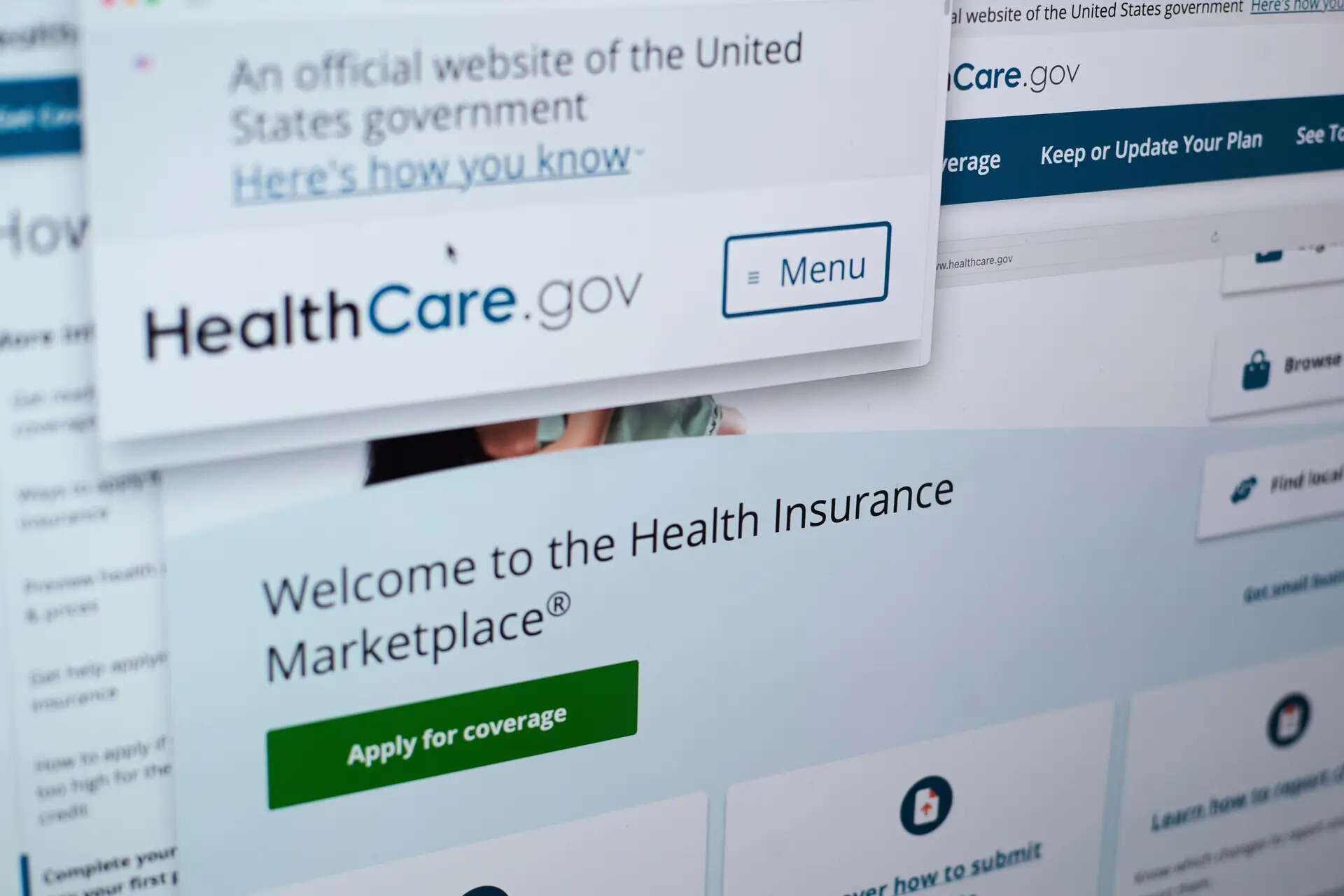
Consider a hypothetical but entirely representative American family: a freelance graphic designer and an independent contractor living in Ohio. They do not have corporate human resource departments negotiating their benefits. They buy their coverage directly through the Affordable Care Act marketplace. For years, federal subsidies acted as a silent partner, absorbing the brunt of the premium costs and keeping their monthly payment manageable.
Then, the floor dropped out.
With the rollback of Trump-era enhanced subsidies, that silent partner vanished. For this family, the change meant their monthly premium leaped from a manageable expense to an amount that rivaled their mortgage.
Choices like these are rarely made with anger. They are made with calculators and tears. You look at the groceries. You look at the electric bill. You look at the premium notice. You realize that you cannot pay for a safety net today using money you need to survive tomorrow. So, you drop the policy. You cross your fingers. You pray nobody gets sick.
The Mathematics of Risk
To understand how millions of people walked away from their health coverage, you have to look at the invisible architecture of insurance pools.
Insurance relies on balance. It requires a massive influx of healthy people paying premiums to offset the high costs of the relatively few who need intensive medical care. Subsidies are not just financial aid for individuals; they are the gravity that holds the entire system together. When the enhanced subsidies expired, the financial math altered instantly for families across the nation.
The drop-off was not a trickle. It was a mass migration into the ranks of the uninsured.
When premiums surge, the first people to leave the marketplace are almost always the young and the healthy. If you are twenty-six, working two jobs, and rarely see a doctor, a massive premium hike makes the decision for you. The monthly expense shifts from an investment in peace of mind to an unaffordable luxury.
But when the healthy leave, the pool sours.
What remains is a smaller, sicker concentration of enrollees. This triggers a well-known economic phenomenon: the adverse selection death spiral. Insurance companies, facing a higher ratio of medical claims relative to total enrollees, raise premiums even further the following year to cover their losses. The cycle repeats. The walls close in.
The immediate casualty of this math is preventive care. When people lose insurance, they stop going to the doctor for chronic coughs, routine mammograms, or blood pressure checks. They wait. They manage the pain. They hope the symptom is nothing, because finding out it is something without insurance is a financial death sentence.
The True Cost of Free Market Medicine
The debate surrounding the subsidy rollback often centers on the concept of personal responsibility and market correction. The argument suggests that artificially inflating subsidies creates a false economy, masking the true cost of healthcare and straining federal budgets.
But this perspective ignores the unique friction of the American healthcare marketplace. Healthcare is not a consumer good like a car or a television. You cannot shop around for the best price on a broken hip while riding in the back of an ambulance. The demand is inelastic; you pay whatever it takes to stay alive, or you suffer the consequences.
Without the buffer of federal tax credits, the raw cost of care is passed directly to the consumer. For an individual earning just above the poverty line, the loss of these enhanced subsidies can mean spending a massive percentage of their take-home pay purely on health premiums, even before meeting high deductibles.
Consider what happens next: the burden does not vanish just because the insurance card does. It simply shifts location.
When an uninsured person experiences a medical crisis, they do not stay home. They go to the emergency room. Federal law requires emergency departments to stabilize anyone who walks through the door, regardless of their ability to pay. This is the most expensive, least efficient way to deliver healthcare in existence.
The hospital absorbs the cost of that uncompensated care. To stay afloat, the hospital raises its prices for everyone else. Commercial insurers face higher bills from the hospitals, which causes them to raise premiums for employer-sponsored plans.
The rollback of a subsidy does not save money. It shuffles the ledger, hiding the cost in higher hospital bills and inflated workplace premiums for the people who thought they were insulated from the policy shift.
The Echo Chamber of the Emergency Room
Walk into any urban or rural emergency department at two o'clock on a Tuesday morning, and you will see the physical manifestation of policy decisions.
The waiting room is not filled exclusively with trauma victims or heart attacks. It is filled with people who have uncontrolled diabetes, advanced asthma, and infected wounds that could have been treated with a simple five-dollar prescription three weeks ago. It is a room filled with the heavy scent of antiseptic and collective anxiety.
Every cough in that room is amplified by the knowledge that there is no insurance card in the wallet. Every tick of the clock represents a mounting bill that will likely never be paid, transforming into medical debt that collections agencies will pursue for years.
This is the human toll of the soaring premium. It is the restoration of fear as a primary metric in personal health decisions. When the system becomes unaffordable, survival becomes a gamble, and the emergency room becomes the court where that gamble is played out.
The ultimate tragedy of the subsidy rollback is that it unwinds years of systemic stabilization. It fractures the fragile peace that millions of families found when they finally gained access to predictable, regular medical care. It replaces that predictability with the old, chaotic reality of hoping for the best while preparing for bankruptcy.
The envelope on the kitchen counter remains open. The cold coffee is eventually poured down the sink. The decision is made, the forms are submitted, and another name is removed from the ledger of the insured. The house grows a little quieter, hollowed out by the sudden absence of security, as the family learns to live with the constant, low-frequency hum of vulnerability.