A small wooden crate sits on a shipping dock in Savannah, Georgia. Inside, packed with the kind of care usually reserved for ancient manuscripts, are thousands of hand-embroidered silk scarves from a workshop in Uttar Pradesh. For the artisan in India, those scarves represent six months of squinting over needles and the school fees for three children. For the boutique owner in Georgia, they are the centerpiece of a spring collection.
But between the needle and the mannequin stands a shadow. It is a shadow cast by a podium thousands of miles away, where a newly empowered American president has just reaffirmed a stance that makes the math of that crate stop working. Meanwhile, you can explore related developments here: The Caracas Divergence: Deconstructing the Micro-Equilibrium of Venezuelan Re-Dollarization.
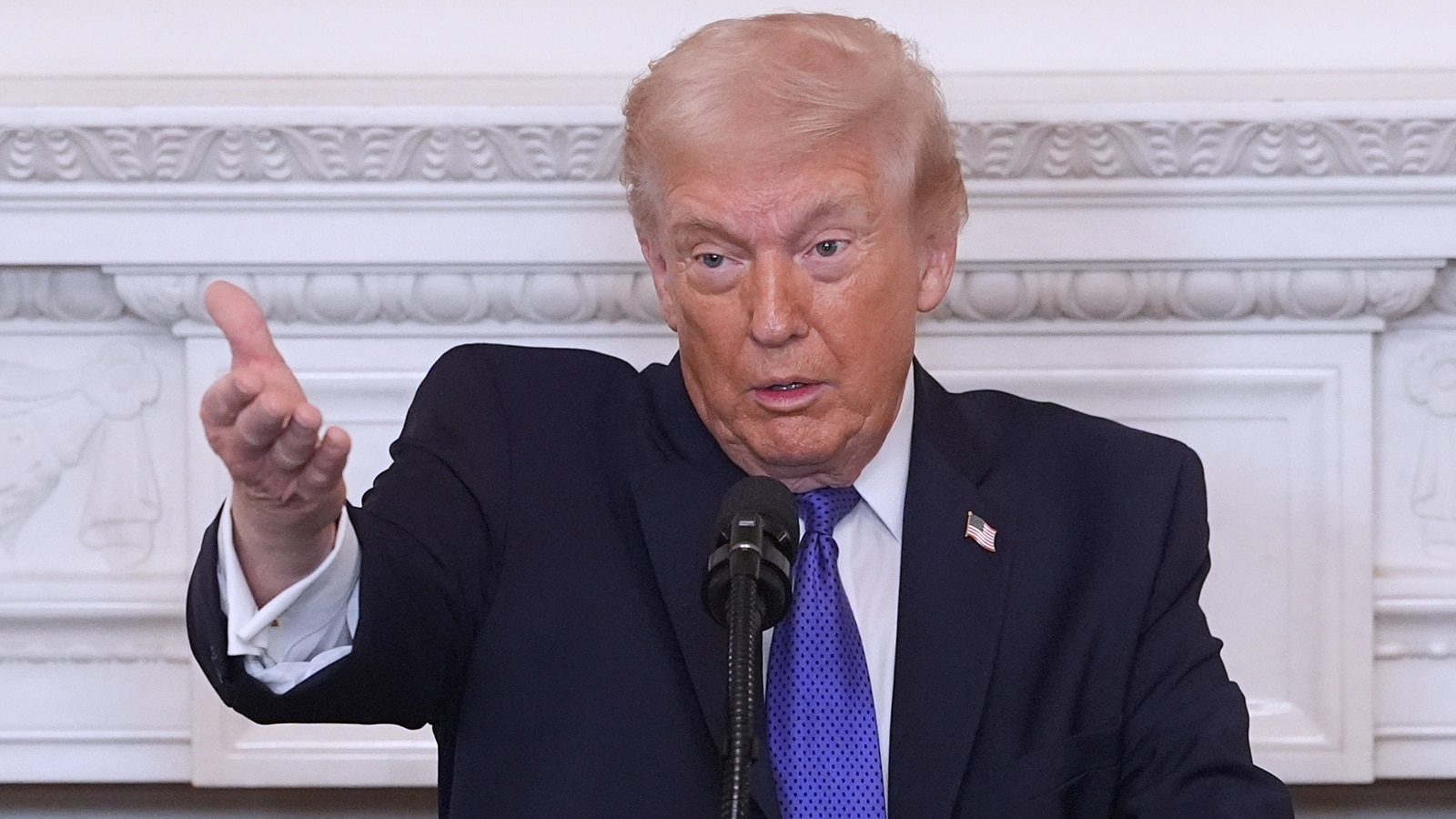
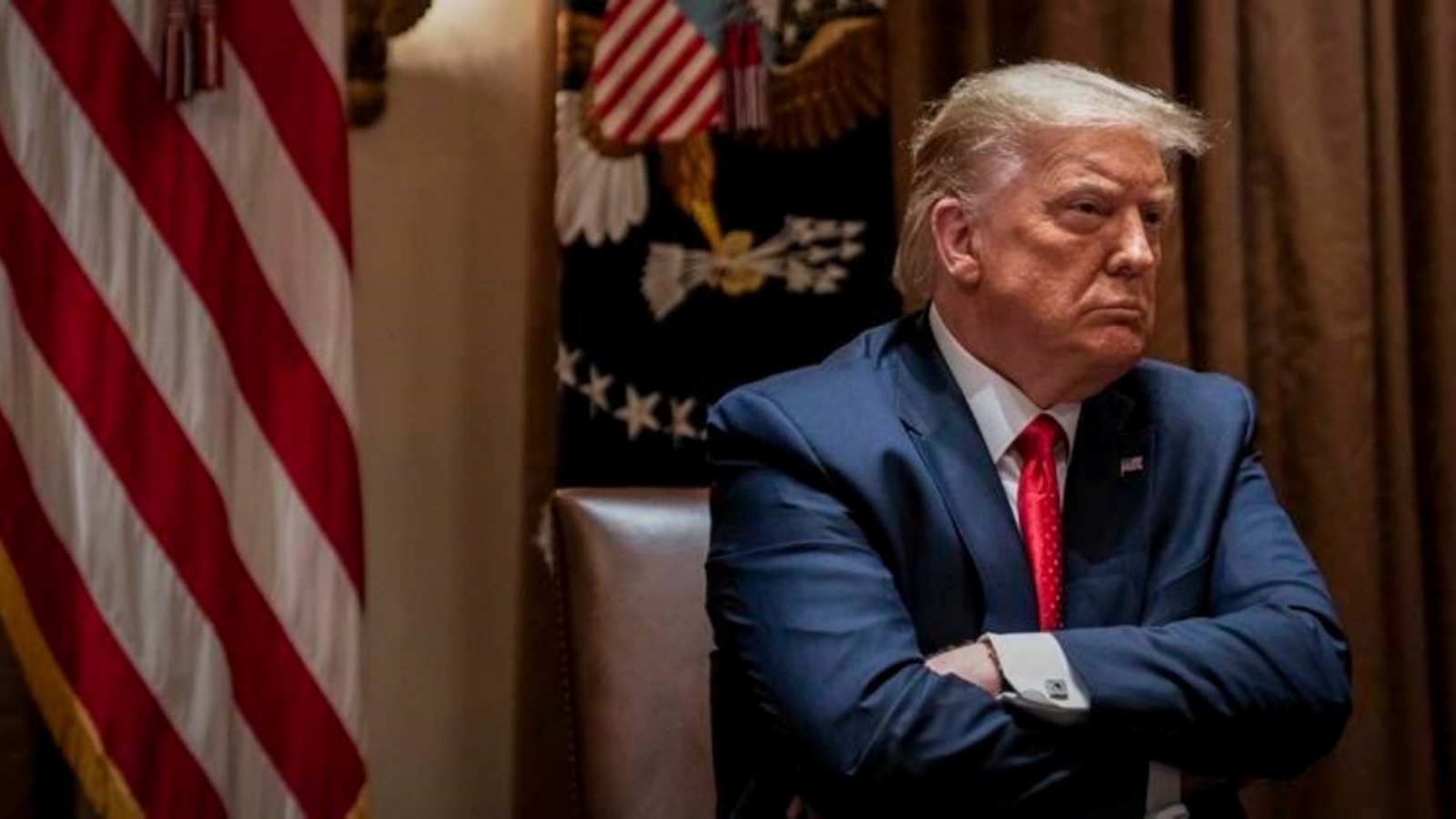
Donald Trump isn't interested in the nuances of diplomatic tea ceremonies. Following a landmark U.S. Supreme Court ruling that bolstered his executive reach, the rhetoric has sharpened into a jagged edge. His message to New Delhi is a recurring loop, a rhythmic beat that refuses to fade: "Nothing changes; they will be paying tariffs."
To understand why this matters, you have to look past the spreadsheets. You have to look at the "Reciprocal Tax." To understand the bigger picture, we recommend the detailed analysis by Harvard Business Review.
The Wall of Percentages
Imagine you are a baker. You sell a loaf of bread to your neighbor for $1. Your neighbor, however, charges you $5 for that same loaf when you try to buy it back. Eventually, you’re going to stop buying from your neighbor. You might even start throwing stones at their windows.
This is the visceral, simplified logic Trump applies to the Indo-U.S. trade relationship. He points to the Harley-Davidson—an American icon of chrome and rebellion—and notes that when it tries to enter the Indian market, it is met with a wall of taxes that can reach 50% or even 100%. Meanwhile, Indian goods often slide into American ports with minimal friction.
"They are the tariff kings," Trump has said, a title he bestows with a mix of frustration and a strange kind of respect for the hustle. He sees a world of winners and losers, where a trade deficit isn't just a number on a Department of Commerce ledger; it is a leak in the American basement.
The Supreme Court’s recent moves have provided the structural steel for this worldview. By clarifying and, in many ways, expanding the immunity and discretionary power of the executive branch, the court has handed the presidency a sharper chisel. Trump doesn't need to wait for a sluggish Congress to debate the merits of a trade war. He can simply turn the dial.
The Invisible Toll on the Tea Stall
If you walk through the industrial corridors of Pune or the tech hubs of Bengaluru, the "Tariff King" label feels like a heavy coat in a heatwave. It doesn't fit the reality of the people on the ground.
Consider a hypothetical engineer named Arjun. He works for a firm that exports specialized automotive parts to Detroit. For Arjun, the "Reciprocal Tax" isn't a political slogan. It’s a ghost that haunts his performance reviews. If a 20% "Universal Baseline Tariff" hits his company’s exports, the thin margin that allows his firm to compete with German or Mexican suppliers evaporates.
When the margins go, the bonuses go. When the bonuses go, the local tea stall where Arjun buys his morning chai sees one less customer. The ripple doesn't stop at the border; it sinks into the soil.
The tension is fueled by a fundamental misunderstanding of what India is trying to do. India isn't trying to "cheat" the system; it is trying to build one from scratch. Its high tariffs are a protective shell for its "Make in India" initiative, a desperate attempt to create a manufacturing base for a billion people before the window of demographic opportunity slams shut.
Trump sees a barrier. India sees a nursery for its infant industries.
The Art of the Grudge
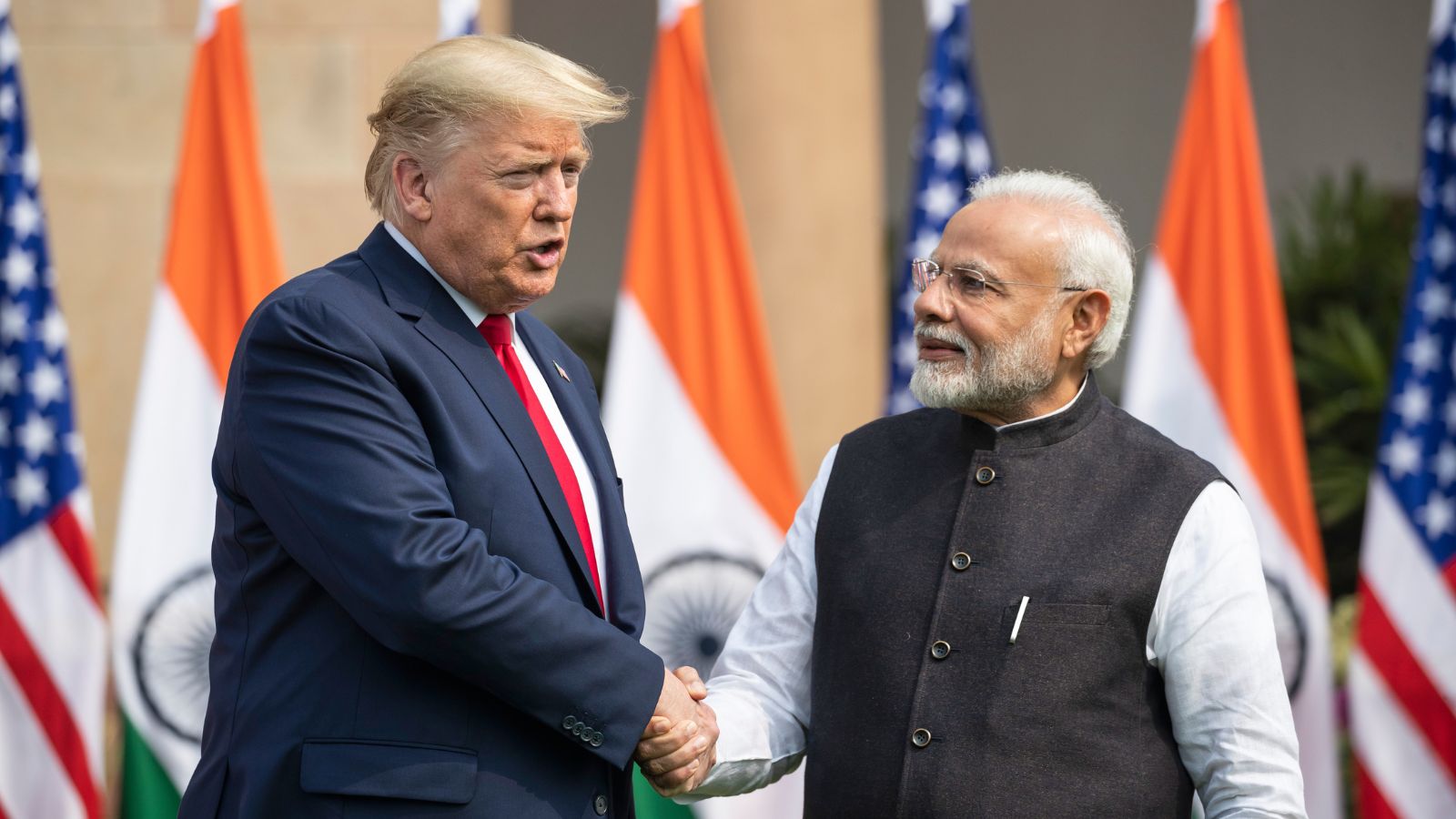
There is a specific kind of theater to these negotiations. Trump’s approach to India has always been a blend of "Howdy, Modi" stadium hugs and "America First" shakedowns. It’s a relationship built on the chemistry of two populists who both believe they are the only ones capable of restoring their respective nations' lost glory.
But the "Nothing changes" comment reveals the ceiling of that bromance. It suggests that no matter how many selfies are taken in Houston or Ahmedabad, the cold reality of the ledger remains the final boss.
The Supreme Court ruling acts as a catalyst here. It removes the guardrails that might have once encouraged a more measured, diplomatic approach. It validates the "strongman" style of economic negotiation. If the President believes that India is "abusing" the relationship, he now feels more legally and politically insulated to swing the hammer of Section 232 or Section 301 investigations—tools that allow the U.S. to bypass global trade norms in the name of national security or "fairness."
The Ghost of 1930
History is a graveyard of trade experiments gone wrong. We often forget that the Great Depression wasn't just caused by a stock market crash; it was cemented by the Smoot-Hawley Tariff Act, a desperate attempt to protect American farmers that ended up choking global commerce to death.
We are currently flirting with a modern iteration of that isolationism. The danger isn't just that a silk scarf becomes $40 more expensive in Savannah. The danger is the disintegration of the "friend-shoring" dream. For years, the U.S. has tried to pull its supply chains out of China and tuck them safely into the democratic embrace of India.
But you cannot be a "strategic partner" on Monday and a "tariff thief" on Tuesday. Trust is a currency that doesn't survive high inflation.
If the U.S. imposes a blanket tariff, India will retaliate. They’ve done it before, hitting American almonds, apples, and walnuts. Suddenly, a farmer in California who has never thought about the Indian Supreme Court or Donald Trump’s legal immunity finds his crop rotting in a silo because the price of entry into Mumbai has doubled overnight.
The Human Margin
The numbers are staggering—hundreds of billions in bilateral trade—but the truth is found in the smaller increments. It’s found in the 2% margin that allows a small tech startup in Hyderabad to hire its first five employees. It’s found in the price of a generic life-saving medication manufactured in India and sold in a pharmacy in Ohio.
When Trump says "they will be paying," he is using the "they" as a collective, faceless entity. But the "they" is a mosaic. It’s the truck driver in Punjab, the retail clerk in Queens, and the consumer everywhere who eventually pays the bill for the trade war.
The Supreme Court has cleared the path. The President has signaled his intent. The engine of the world's two largest democracies is idling at a crossroads, and the light is turning a warning shade of amber.
We often speak of trade as a game of chess, a bloodless move of pieces across a board. In reality, it is a high-wire act performed without a net. Every time a leader leans into the rhetoric of "reciprocity" without considering the fragility of the connection, the wire thins.
The silk scarves in that crate in Savannah are more than just fabric. They are a bridge. And right now, there is a man with a match standing at either end, convinced that burning the bridge is the only way to stay warm.
The scarves are beautiful, intricate, and vibrant. They are also incredibly easy to tear.
The artisan in Uttar Pradesh goes to bed tonight wondering if the crate will be sent back. The boutique owner in Georgia wonders if she can afford the next shipment. And the shadow on the podium remains, unmoved by the embroidery, focused only on the math of the wall.
The saffron thread is caught in the gears. If the gears turn too fast, the thread snaps, and the whole tapestry begins to unravel, one stitch at a time.
Would you like me to analyze the specific sectors of the Indian economy that are most vulnerable to these proposed reciprocal tariffs?