Elections rarely go according to the script consultants write. If you looked at the polls ahead of recent primary contests in states like Michigan, Washington, Virginia, Kansas, and Missouri, you expected a predictable centerline victory. You didn't expect a frantic nail-biter that exposes raw nerve endings inside the Democratic Party.
Voters aren't just picking names for Congress. They're sending loud warning flares about party direction, foreign policy, and who gets to speak for the working class. Don't forget to check out our recent article on this related article.
The Michigan Primary Reality Check
Take Michigan. The marquee Senate primary pitted moderate congresswoman Haley Stevens against progressive public health official Abdul El-Sayed. Party establishment heavyweights like Governor Gretchen Whitmer and Senate leader Chuck Schumer lined up behind Stevens. Polls promised a comfortable cushion.
Instead, the race tightened into an agonizing squeaker. El-Sayed pulled off 48.5 percent to Stevens's 47.5 percent. If you want more about the background of this, The Guardian provides an excellent breakdown.
That narrow margin tells you everything you need to know about the current mood of the base. Voters are restless. They aren't automatically bowing to the wishes of party bosses. When leadership tries to anoint a candidate, a sizeable chunk of the electorate pushes back hard.
Progressive Momentum and Party Friction
This isn't an isolated fluke. Across multiple states, insurgent candidates are tapping into deep wells of voter frustration. People are angry about housing costs, health care, and foreign policy stances—particularly traditional party support for Israel.
When William Lawrence, co-founder of the Sunrise Movement, locked down the Democratic nomination in Michigan's seventh congressional district, it proved climate action and grassroots organizing still carry immense weight. In Detroit, progressive Donavan McKinney successfully ousted incumbent Shri Thanedar, bypassing establishment machinery entirely.
Establishment Democrats keep hoping the progressive wave will crest and break. It isn't happening. The internal tug-of-war is tearing at the seams of the coalition heading into the midterms.
Crises Beyond the Ballot Box
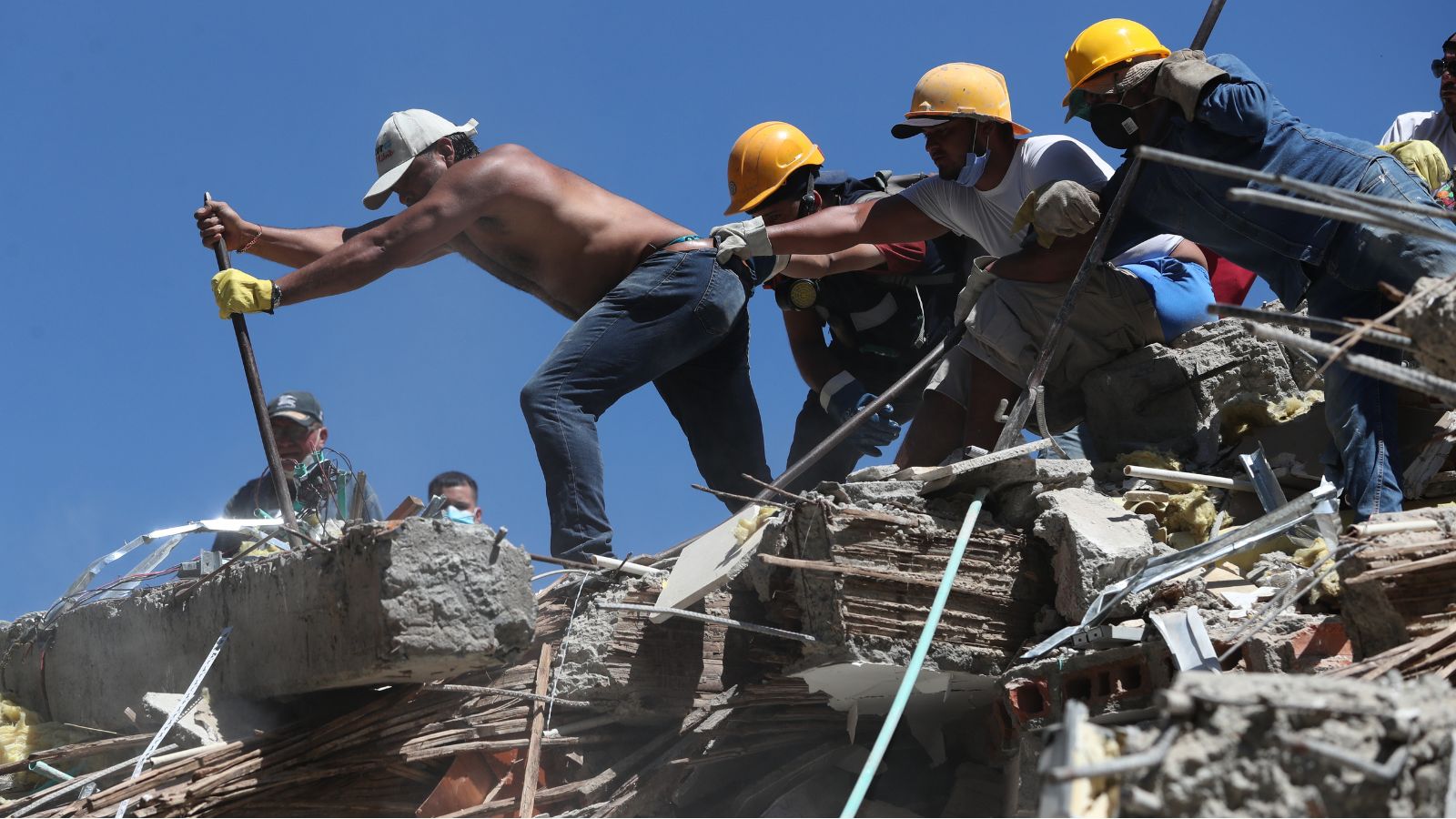
While domestic primaries dominate cable news, international shocks ripple straight back into local politics. Look south. A massive 7.4-magnitude earthquake struck northwestern Colombia, leaving over a hundred dead and destroying thousands of homes.
President Abelardo de la Espriella declared a national disaster, but the aftermath quickly morphed into a political brawl. The current administration openly accused factions loyal to former president Gustavo Petro of trying to weaponize the tragedy, manufacturing international smear campaigns to delegitimize the government's rescue efforts.
Petro fired back, demanding immediate humanitarian aid for forgotten citizens. When natural disasters hit fragile democracies, they expose institutional cracks instantly. Whether you look at domestic primary fights or foreign emergency responses, leadership is under a microscope.
The takeaway is simple. If you ignore what voters are actually feeling on the ground, you're bound to get blindsided by the results.