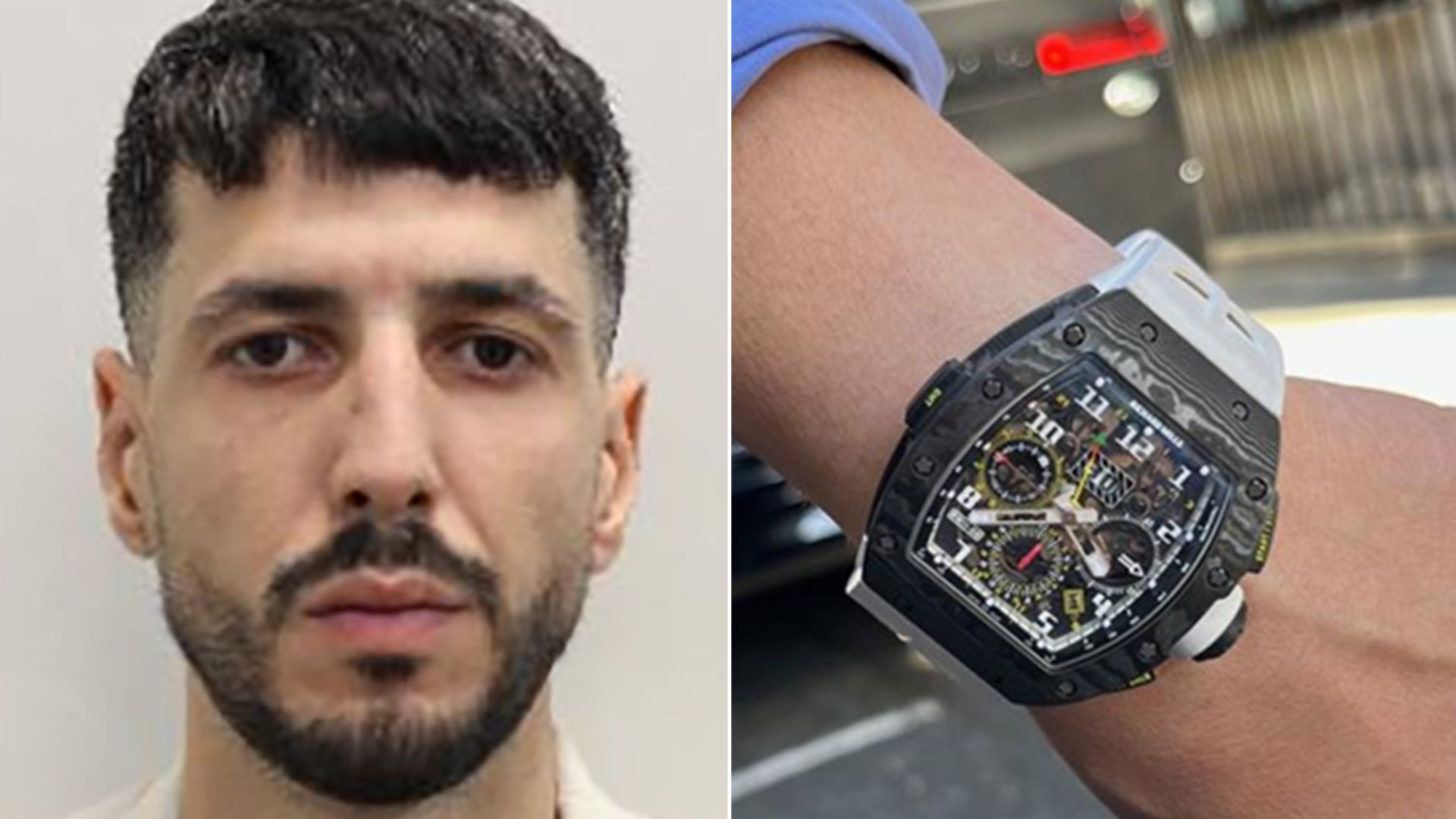
A career criminal walks down a damp London pavement, eyes scanning the wrists of passing pedestrians for flashes of gold and steel. Within seconds, a quarter million pounds worth of luxury horology is targeted in broad daylight. This is not a scene from a Hollywood heist movie. It is the grim reality of modern metropolitan crime, highlighted by a recent high-profile arrest that exposed the sheer scale of luxury watch thefts sweeping major urban centers.
When plainclothes Metropolitan Police officers moved in to intercept an attempted high-value robbery involving a £250,000 watch, they interrupted more than just a street-level mugging. They exposed a sophisticated, predatory ecosystem that treats high-end timepieces like currency on an illicit black market. Luxury watches have quietly surpassed traditional commodities as the target of choice for organized crime rings. Don't miss our previous article on this related article.
The Anatomy of a High-End Watch Heist
Street crime has evolved. Gone are the days when opportunistic thieves snatched cheap chains or fumbled with bulky electronics. Today's urban predators are hyper-specialized. They operate in organized spotter-and-striker teams, often trailing targets from exclusive restaurants, high-end hotels, and private members' clubs in affluent neighborhoods like Mayfair and Knightsbridge.
The mechanics are chillingly efficient. To read more about the context of this, The Washington Post offers an informative breakdown.
- Surveillance: Spotters identify targets wearing coveted references from brands like Rolex, Patek Philippe, and Audemars Piguet.
- The Strike: Quick-handed thieves deploy distraction techniques or sudden, violent pinches, stripping the watch from the victim's wrist in less than five seconds.
- The Escape: Accomplices await on high-powered motorcycles or electric bicycles, bypassing congested traffic and police cruisers with ease.
The recent intervention by plainclothes officers underscores a tactical shift in law enforcement response. Uniformed patrols are too easily spotted. To combat these roving bands of thieves, police have been forced to deploy undercover units directly into luxury shopping districts, blending into crowds to catch perpetrators in the act. Yet, every arrest of a prolific thief feels like clipping a weed while the roots run deep underground.
Why Luxury Timepieces Became Liquid Gold
To understand why a criminal would risk decades behind bars for a single metal object, one must look at the economics of illicit luxury goods. Cash is traceable. Narcotics carry heavy trafficking charges and require distribution networks. Luxury watches, however, offer a frictionless path to quick capital.
The secondary market for elite horology exploded over the last decade. Even with recent market corrections, rare stainless steel sports models and complicated gold chronographs trade above retail value. For a criminal syndicate, a stolen Patek Philippe Nautilus is virtually untraceable once the serial number is altered, wiped, or stripped.
Furthermore, international fencing networks make offloading these items remarkably simple. A watch stolen in London can be disassembled in a makeshift workshop within hours. The movement, bezel, and bracelet can be sold separately to unscrupulous dealers or shipped overseas to markets where provenance questions are rarely asked. The lack of a universal, mandatory digital registry for luxury watch ownership creates a glaring loophole that syndicates exploit daily.
The Surveillance State and the Safe Streets Illusion
Municipalities invest heavily in closed-circuit television networks, boasting about smart cities and comprehensive surveillance coverage. But cameras do not stop a blade or a sudden shove in a dark alleyway.
Victims often discover that high-tech policing cannot reverse the psychological trauma of a targeted violent robbery. The presumption that wealth protection is solely an individual responsibility has taken root. Luxury watch owners are now advised to practice situational awareness, avoid wearing recognizable high-value items in public, or invest in insurance policies with prohibitive deductibles.
Insurance companies, meanwhile, are tightening their criteria. Premiums for high-end jewelry and watches have skyrocketed, and underwriters increasingly demand proof of secure home storage and GPS tracking integration before issuing policies. Some insurers even mandate that clients wear insurance-approved decoy watches when traveling through high-risk urban zones. A sad commentary on contemporary urban life.
The Underground Supply Chain
The prolific thief apprehended by plainclothes officers was not operating in a vacuum. Every street-level snatch relies on a mature, resilient underground economy.
When law enforcement traces the proceeds of these crimes, the trail frequently leads to a network of grey-market dealers who blur the line between legitimate commerce and fence operations. While the vast majority of independent watch traders operate with strict integrity, a predatory fringe thrives on the influx of undocumented inventory. These brokers ask no questions as long as the discount is deep enough.
Law enforcement agencies across Europe are lobbying for stricter point-of-sale regulations and mandatory electronic passport systems for luxury goods. Until a buyer can instantly verify a watch's legitimate chain of custody via a blockchain or government-backed registry at the moment of purchase, the incentive for street-level theft remains high.
A prison sentence for a prolific offender removes one predator from the board, but the economic forces fueling the luxury watch crime wave continue to spin unchecked in the shadows of the city.