The kettle clicks off. Silence rushes back into the kitchen, heavy and absolute.
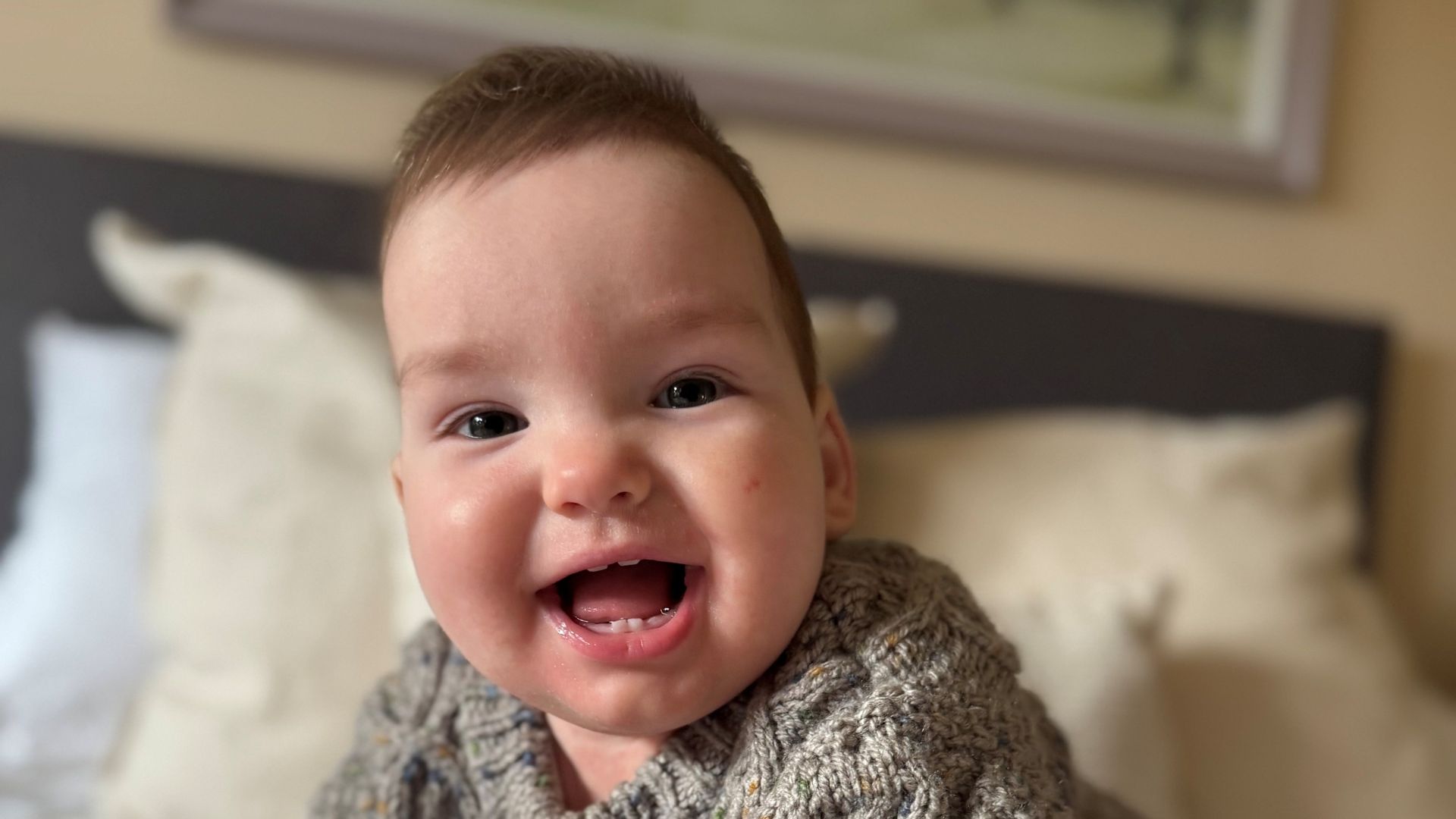
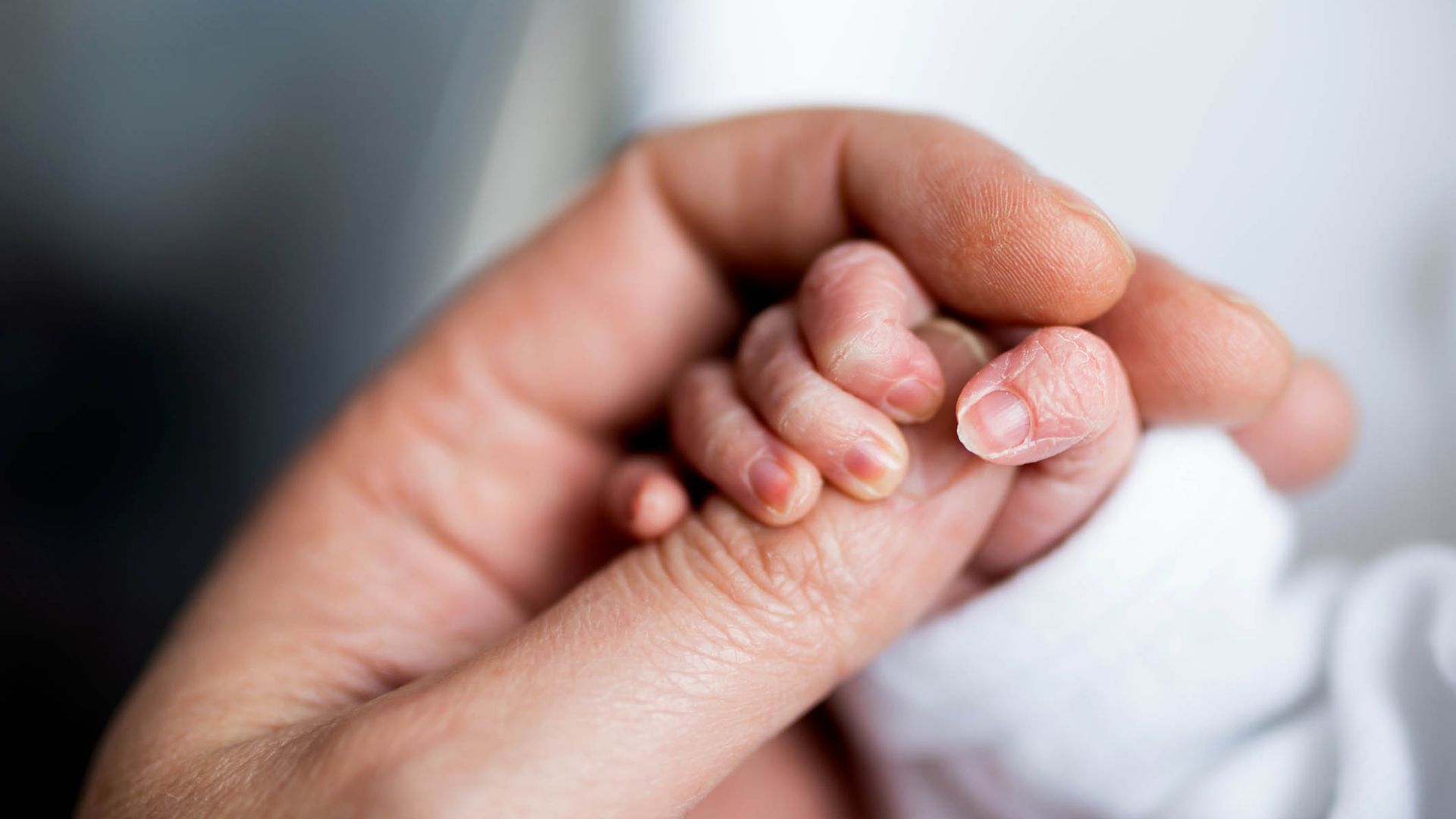
For most parents, the first weeks home from the hospital are a chaotic blur of stained onesies, midnight feeds, and a desperate, bone-deep exhaustion. But for a small, agonizing fraction of families across these islands, that silence is different. It is permanent. It is the hollow space where a breathing, crying, wriggling life used to be.
We talk about health systems in cold, antiseptic metrics. We talk about budgets, staffing ratios, and regional variances over conference room tables lined with lukewarm coffee. Yet behind every statistic is a nursery left untouched, a crib that will never need the sheets changed, and parents who walk through the grocery store aisles staring blankly at tiny socks they will never buy.
Right now, Northern Ireland bears a heavy, uncomfortable distinction. Recent data highlights that it holds the highest infant mortality rate in the United Kingdom.
Pause on that. Let the weight of it settle.
Not a remote corner of the developing world. Not a war-torn province. Right here, nestled within modern British healthcare infrastructure, babies are dying before their first birthdays at a rate higher than anywhere else in the nation. Why? How does a wealthy society normalize a reality where the newest lives are the most fragile?
To understand this tragedy, you cannot just look at spreadsheets. You have to look at the ground beneath people's feet.
The Geography of Vulnerability
Imagine a young mother living in a rural farmhouse miles outside Enniskillen. Let us call her Sarah, a purely hypothetical composite drawn from the lived experiences of community midwives and family support workers. Sarah is twenty-four, pregnant with her first child, and navigating a world that feels increasingly precarious.
When Sarah attends her prenatal checkups, the distance isn't just measured in miles on a dashboard; it is measured in lost wages, unreliable public transport, and the quiet anxiety of leaving her shift early. When healthcare services are centralized, stretched thin, and chronically underfunded, geography becomes a silent determinant of survival.
Medical geography teaches us a harsh lesson. Where you are born dictates the quality of the net catching you when you fall. In parts of Northern Ireland, that net is frayed.
Poverty weaves its way into the narrative long before a child takes their first breath. Deprivation alters biology. Chronic stress floods a mother’s body with cortisol, impacting fetal development. When structural inequality goes unaddressed, it leaves a trail of vulnerable pregnancies in its wake. It is a slow, grinding mechanism that grinds down hope before the baby even arrives.
The Anatomy of a Crisis
Numbers can numb the mind if we let them. Yet behind every decimal point is a human story cut short.
Infant mortality is a complex puzzle. It includes neonatal deaths within the first twenty-eight days of life and post-neonatal deaths up to one year. The causes are multifaceted: congenital anomalies, sudden infant death syndrome, prematurity, and complications during labor.
But medical causes tell only half the story. The other half belongs to social determinants of health.
In public health, we often talk about prevention as if it were a simple checklist. Eat well, rest, attend appointments, follow advice. But what happens when the advice meets the reality of a housing crisis, fuel poverty, and a mental health service on the brink of collapse?
Consider what happens next: a pregnant mother misses a scan because she cannot afford the bus fare. A tired father works two jobs, missing the subtle signs that his infant is struggling to breathe in the middle of the night. A community midwife, drowning in an impossible caseload, misses a subtle red flag during a routine postnatal visit because she has twelve other homes to check before dark.
These are not individual failures. They are systemic cracks. And babies are falling through them.
Echoes of the Past
To make sense of the present, we must look backward. Northern Ireland carries a generational trauma unlike any other region in the UK. Decades of conflict left deep economic scars, fractured communities, and an enduring legacy of mental health struggles that ripple down through families.
Trauma lives in the body. It changes how we trust institutions, how we seek help, and how we cope with stress. When a population has spent decades surviving in survival mode, preventative healthcare often takes a backseat to daily endurance.
Furthermore, the political instability that frequently paralyzes local governance has left health trusts grappling with short-term fixes rather than long-term strategic transformation. Bureaucratic gridlock means that vital reforms move at a glacial pace, while babies continue to be born into a system that is perpetually reacting rather than protecting.
The Invisible Stakes
We must ask ourselves what kind of society we are building when the death of an infant becomes just another headline to scroll past on a morning commute.
Every child lost in Northern Ireland represents an unwritten future. They are the scientists, artists, teachers, and neighbors we will never know. Their loss ripples outward, shattering families, fracturing marriages, and leaving siblings to grow up in the shadow of a ghost they may never fully remember.
The high infant mortality rate is not an unalterable act of nature. It is a human-made problem, which means it has a human-made solution.
It requires shifting resources from the corridors of bureaucracy down to the frontlines of community health. It demands universal access to mental health support for new parents, robust funding for home-visiting midwife programs, and an aggressive, targeted war on child poverty. It means treating maternal and infant health not as a line item on a budget sheet, but as the ultimate measure of our collective moral health.
The kettle is cold now. The silence in the kitchen remains. But it does not have to be this way for the next mother, the next family, the next generation.
The data is clear. The human cost is unbearable. The only question left is whether we have the courage to listen to the silence and finally demand something better.