Most adults do not need a measles booster shot, provided they received two doses of the MMR vaccine in childhood or were born before 1957. However, a specific subset of adults vaccinated between 1963 and 1967, along with healthcare workers, international travelers, and individuals with compromised immunity, face genuine gaps in protection that require an immediate second look at their medical records.
Public health departments across North America and Europe are once again tracking localized outbreaks of a virus declared eliminated in the United States a quarter-century ago. This resurgence is not an accident of nature. It is the predictable arithmetic of declining vaccination rates colliding with one of the most contagious pathogens ever documented by modern medicine. When immunization coverage dips below the strict 95 percent threshold required to maintain herd immunity, the virus finds the cracks in our collective armor with ruthless efficiency.
The Biology of an Unforgiving Pathogen
To understand why public health officials react with near-panic over a handful of measles cases, you have to look at the basic reproduction number, known in epidemiology as the R0 (pronounced R-naught). Seasonal influenza has an R0 of roughly 1 to 2. The original strain of SARS-CoV-2 hovered around 2.5 to 3. Measles sits between 12 and 18.
If one person with measles walks into a crowded room of unvaccinated individuals, up to 18 people will walk out infected. The virus does not require direct physical contact or heavy coughing to spread. It travels on microscopic respiratory droplets that hang suspended in the air for up to two hours after an infected person has left the room. You can catch measles simply by walking through an empty grocery store aisle an hour after a carrier passed through.
The clinical progression is equally relentless. After an incubation period of 10 to 14 days, the illness begins with a deceptive prodrome—high fever, cough, runny nose, and red, watery eyes—that looks identical to a dozen routine respiratory viruses. By the time the telltale red, blotchy rash appears on the hairline and spreads downward, the patient has already been shedding the virus and infecting others for four full days.
Complications are far from rare. Roughly one in five unvaccinated people who contract measles will require hospitalization. About one in twenty children develops pneumonia, the leading cause of measles-related death in young patients. One in a thousand will suffer acute encephalitis, a swelling of the brain that can leave survivors deaf or permanently intellectually disabled. Even after apparent recovery, the virus can linger silently in the central nervous system for years before triggering subacute sclerosing panencephalitis, a rare, universally fatal degenerative neurological disorder.
The 1963 to 1967 Vaccine Blind Spot
If you were born before 1957, epidemiologists generally consider you immune through natural exposure. Before the licensing of the first measles vaccine, the virus was a ubiquitous rite of passage; virtually every child contracted it before reaching adolescence, acquiring lifelong antibodies in the process.
If you were born after 1989, standard pediatric guidelines dictated a two-dose schedule of the combined measles, mumps, and rubella (MMR) vaccine, which confers approximately 97 percent protection for life. The gray area—and the primary source of confusion for middle-aged adults—lies in the decades between.
Between 1963 and 1967, two distinct versions of the measles vaccine were distributed in the United States. One was a live-attenuated vaccine, which remains the basis of modern immunization. The other was an inactivated, or "killed," virus vaccine. Public health authorities withdrew the killed vaccine from the market in 1967 after discovering it failed to provide durable immunity and occasionally caused an atypical, severe form of the illness upon exposure to the wild virus.
Millions of people vaccinated during that four-year window received the ineffective formulation without knowing it. Furthermore, until 1989, the standard recommendation was only a single dose of the live vaccine, which leaves roughly 7 percent of recipients unprotected due to primary vaccine failure—meaning their immune systems simply did not mount a robust response on the first try.
Determining which shot you received fifty years ago is often impossible if childhood paper records have been lost to moves, floods, or retired pediatricians. In these cases, clinicians do not guess. You have two straightforward options: request a blood test to check for IgG antibodies (a measles titer), or simply get another dose of the MMR vaccine. Medical consensus holds that receiving an extra dose of MMR when you are already immune carries no added risk. The body simply neutralizes the weakened vaccine virus and moves on.
High-Risk Groups Who Cannot Rely on Childhood Records
Even if you possess pristine documentation showing a single childhood dose after 1968, certain life circumstances shift the risk calculus and trigger an automatic recommendation for a second dose spaced at least 28 days apart.
International Travelers
Measles remains endemic across large swaths of the globe, including popular tourist and business destinations in Europe, Asia, Africa, and the Middle East. Airport terminals and long-haul flights act as global mixing bowls where travelers from regions with high vaccination rates cross paths with carriers from regions experiencing active epidemics. Anyone over six months of age traveling internationally should verify full two-dose immunity at least two weeks before departure. Infants between six and eleven months old can receive an early single dose prior to travel, though it will not count toward their routine childhood series later on.
Healthcare Personnel and College Students
Hospitals and university dormitories share a dangerous architectural trait: high-density indoor living combined with constant turnover. Healthcare workers face dual exposure risks—catching the virus from undiagnosed patients in waiting rooms and transmitting it to immunocompromised individuals in oncology or transplant wards. Consequently, medical facilities require documented proof of two MMR doses or laboratory confirmation of immunity as a condition of employment. Residential college students fall under similar mandates to prevent explosive campus-wide outbreaks.
Household Contacts of the Immunocompromised
The MMR vaccine contains a live, weakened virus. Because of this, pregnant women, organ transplant recipients, chemotherapy patients, and individuals with severe primary immunodeficiencies cannot receive the shot. Their survival during an outbreak depends entirely on a protective cocoon of fully vaccinated family members, caregivers, and coworkers. If you live with or care for someone whose immune system is suppressed, ensuring your own two-dose status is not a personal health choice; it is a baseline safety protocol.
Immune Amnesia and the Hidden Cost of Infection
For decades, the medical community viewed recovery from uncomplicated measles as a return to baseline health. Recent immunological research has dismantled that assumption, revealing a secondary mechanism that makes prevention far more urgent than previously understood.
When the measles virus enters the body, it specifically targets and infects memory B and T lymphocytes—the specialized white blood cells that store the biological blueprints of every pathogen you have ever fought off or been vaccinated against. As the immune system clears the measles infection, it simultaneously destroys a massive fraction of its own pre-existing antibody repertoire.
Immunologists call this phenomenon immune amnesia. Studies examining blood samples before and after natural measles infection have shown that the virus can wipe out between 11 percent and 73 percent of a person's protective antibodies against other diseases, including influenza, pneumonia, and skin infections. The immune system is effectively reset to an infant-like state, leaving survivors vulnerable to severe secondary infections for two to three years while the body slowly rebuilds its microbial memory from scratch.
The live-attenuated MMR vaccine does not trigger immune amnesia. It stimulates protective measles antibodies without depleting the body's defense library against other pathogens. In fact, epidemiological data consistently shows that introducing measles vaccination programs lowers overall childhood mortality rates far beyond what can be explained by preventing measles deaths alone, precisely because it preserves broad-spectrum immunity.
Navigating Breakthrough Infections and Waning Immunity
No vaccine in medical history is 100 percent infallible, and treating the MMR shot as an impenetrable force field leads to false confidence during active outbreaks. Roughly 3 out of every 100 people who receive two doses of the MMR vaccine will still contract measles if exposed to a high viral load in a confined space.
Clinicians refer to these cases as breakthrough infections. However, the clinical picture for a vaccinated person looks vastly different from that of an unvaccinated patient. Individuals with breakthrough measles typically experience much milder symptoms, lower fevers, fewer respiratory complications, and a significantly reduced likelihood of transmitting the virus to others. Their primed immune systems recognize the invader rapidly, blunting viral replication before it can cause systemic organ damage or encephalitis.
Questions frequently arise regarding whether measles immunity fades over decades, similar to the way tetanus or pertussis protection requires periodic adult boosters. Large-scale serological studies tracking vaccinated cohorts over thirty to forty years show that while circulating antibody levels in the bloodstream may decline slightly over time, cellular immunity remains remarkably durable. When exposed to the wild virus, memory cells rapidly proliferate and pump out fresh antibodies within days. Routine decennial boosters for the general adult population remain scientifically unnecessary.
The Mechanics of Verification and Next Steps
If you are unsure of your immune status, navigating the healthcare system to fix it requires minimal effort, provided you skip unnecessary bureaucratic detours.
Start by locating your state or national immunization registry, as many jurisdictions have digitized historical public health records over the past two decades. If your records remain blank, resist the urge to demand an immediate antibody titer unless your insurance covers preventative lab work without out-of-pocket fees. Titer tests can cost upward of $100 and occasionally yield equivocal results that leave doctors recommending a shot anyway.
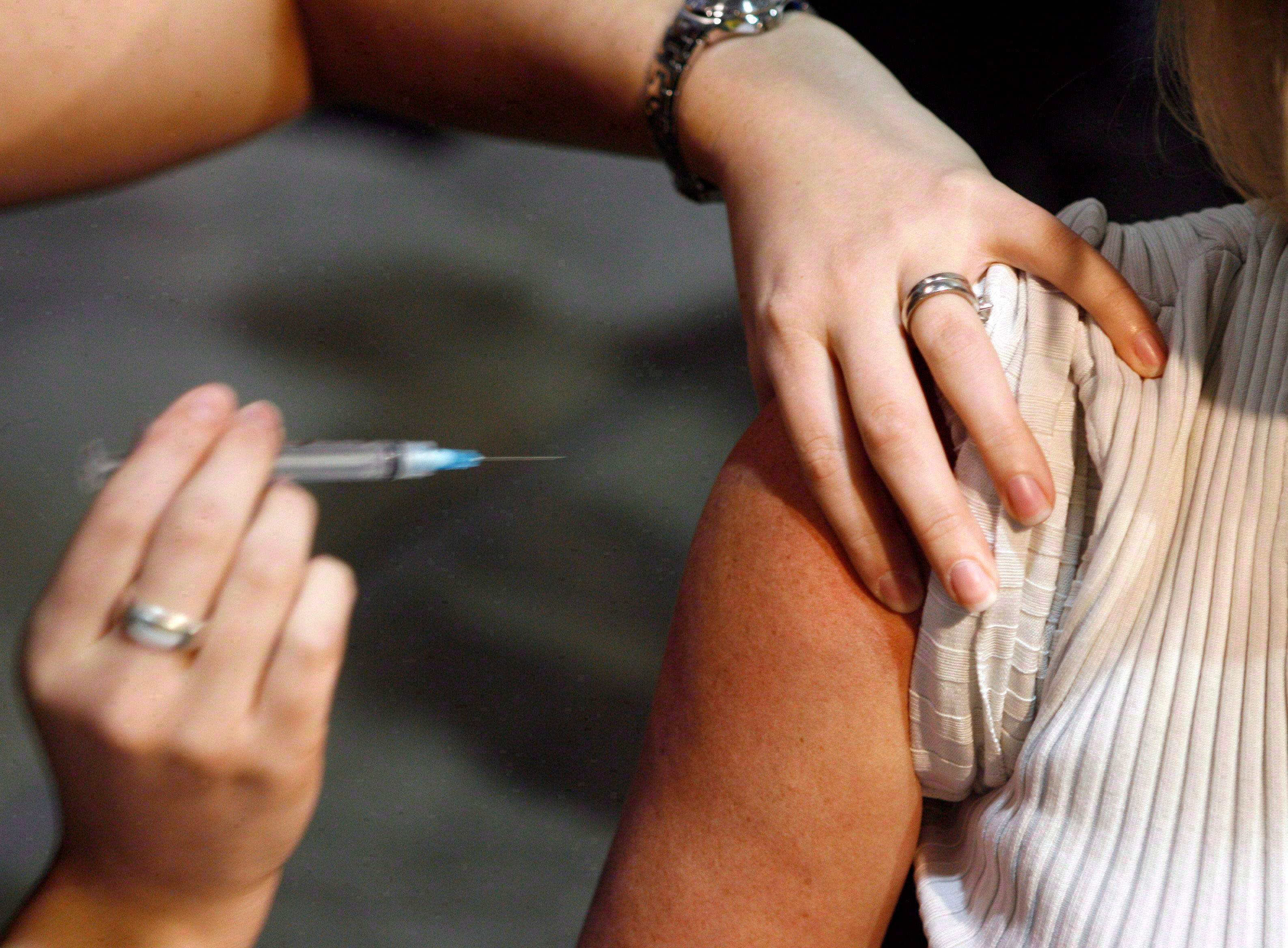
Walk into a retail pharmacy, primary care clinic, or local health department and request an MMR booster directly. Under the Affordable Care Act in the United States and comparable public health frameworks globally, routine adult immunizations recommended by national advisory committees are covered without copays. If you are planning international travel, pregnant, or managing a chronic immunosuppressive condition, consult a physician before rolling up your sleeve to ensure proper timing and contraindication screening.
Verify your records today, because by the time local health authorities announce a measles exposure at your neighborhood grocery store or airport terminal, the two-week window required for a booster shot to build full protection has already closed.