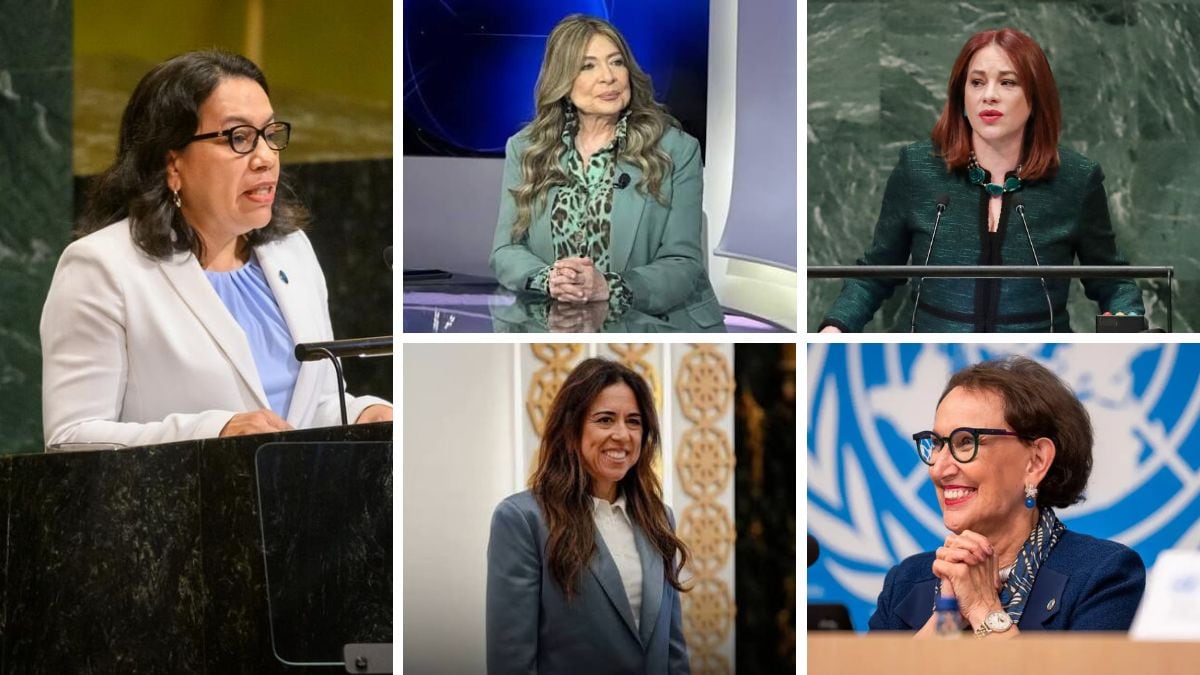
The United Nations sits in a glass house on the East River, but the real power struggles happen behind heavy mahogany doors. Every few years, diplomats and world leaders play a high-stakes game of musical chairs for the most visible diplomatic post on Earth. For decades, the position of United Nations Secretary-General has stayed exclusively in the hands of men. Nine men have held the title since 1945. Not a single woman has ever stepped behind the mahogany desk as the organization's chief executive.
People whisper about tradition, regional rotation, and geopolitical math. But tradition is just peer pressure from people who are dead. The UN faces existential crises right now, from stalled climate agreements to crumbling international law, and the old boys' club approach isn't cutting it.
Is it finally time for a woman to lead the world stage? The conversation goes far beyond a simple checklist of representation. It exposes how global power actually distributes itself behind the scenes.
The Weight of the Glass Ceiling in International Diplomacy
Diplomacy remains one of the last bastions of old-school elite networking. If you look at foreign ministries, ambassadorial postings, and security councils across the globe, men still dominate the senior leadership roles. When the UN charter was drafted in San Francisco, women fought hard just to ensure gender equality got a mention in the preamble. Securing the top job itself proved entirely out of reach.
For years, the excuse was simple pipeline politics. Governments argued that women simply hadn't held enough high-level foreign minister or prime ministerial posts to qualify. That excuse expired long ago. Women currently lead major nations, direct massive international financial institutions, and negotiate complex peace treaties.
Yet, when the Security Council convenes behind closed doors to vet candidates for the top diplomatic post, male candidates still coast on unearned momentum. Governments float names of former presidents and seasoned ministers, but qualified female diplomats often hit institutional roadblocks that have nothing to do with their competence.
How the Appointment Process Actually Works
To understand why change moves at a glacial pace, you have to look at the mechanics of the selection process. The UN Charter gives the Security Council the power to recommend a candidate, and then the General Assembly gives the final rubber stamp.
Here is the catch. The five permanent members of the Security Council hold absolute veto power. The United States, Russia, China, France, and the United Kingdom can kill any candidacy for any reason. They don't even have to explain themselves.
This veto dynamic turns the selection into a geopolitical hostage situation. Moscow or Washington might block a brilliant candidate simply because her foreign policy stance doesn't align with their immediate national interests. Regional rotation rules add another layer of friction. The post traditionally rotates through different global regions. When Eastern Europe or Latin America gets its turn, member states argue over whether the geographic mandate supersedes calls for demographic representation.
Transparency has improved slightly compared to the secretive smoke-filled rooms of the past. Candidates now participate in public town halls and field questions from civil society groups. But the ultimate decision still rests with five powerful capitals. Real reform requires these permanent members to value competence and representation over predictable geopolitical compliance.
Past Near Misses That Proved the System is Rigged
Change rarely happens overnight, but the momentum has been building for a long time. During the 2016 selection race, a coalition of countries pushed hard to break the historical streak. More than a dozen candidates entered the fray, and several of them were exceptionally qualified women.
Figures like Helen Clark, former Prime Minister of New Zealand and head of the UN Development Programme, brought decades of crisis management experience. Irina Bokova, then heading UNESCO, also carried strong backing from Eastern Europe.
Observers watched closely as straw polls unfolded in the Security Council. Qualified female candidates consistently pulled solid numbers, but the permanent members maneuvered quietly in the background. In the end, the Security Council coalesced around António Guterres, a veteran Portuguese politician.
The outcome frustrated advocates who saw a historic opportunity slip away. It proved that simply having great women in the race isn't enough when the five veto-wielding nations prefer establishment continuity. The 2016 cycle permanently changed the playbook, though. It proved that secret straw polls leak, public pressure matters, and governments can no longer sweep gender equity under the rug without facing immediate public scrutiny.
What a Change at the Top Would Mean for Global Policy
Critics sometimes dismiss symbolism in international relations. They argue that a Secretary-General acts mostly as a secretary, managing a massive bureaucracy rather than setting independent policy.
That view ignores how leadership shapes priorities. A Chief Executive brings lived experience, specific networks, and distinct urgency to the table. When you look at the pressing challenges on the global agenda—food security, humanitarian crises, climate displacement—these issues disproportionately impact women and children in the Global South.
A leader who understands these dynamics from a different vantage point brings a sharper analytical lens to peacekeeping mandates and resource allocation. It shifts the institutional culture away from archaic protocol toward practical, ground-level problem-solving.
Furthermore, the Secretary-General serves as the moral compass of the international community. When a leader speaks out against human rights abuses or climate inaction, their voice carries weight across continents. Seeing a woman occupy that office sends an unmistakable signal to girls and young leaders everywhere that institutional barriers are meant to be dismantled.
The Road Ahead for Global Leadership
The next leadership cycle approaches faster than people think, and the diplomatic corps is already whispering about potential contenders. Latin America, Africa, and other regions are positioning their best talent.
Governments must stop treating diversity as a public relations checkbox and start treating it as a strategic necessity. The old guard can try to stall, but the appetite for modernization is growing louder every day. Member states are tired of watching multilateral institutions flounder while clinging to outdated traditions.
The world doesn't need another caretaker keeping the seat warm for the status quo. It needs someone willing to shake up the bureaucracy, challenge the major powers, and drag international diplomacy into the twenty-first century. Whether the glass ceiling finally shatters depends entirely on whether smaller nations can organize effectively enough to counter the veto games of the superpowers. The pressure is on, and the excuses have run out.


