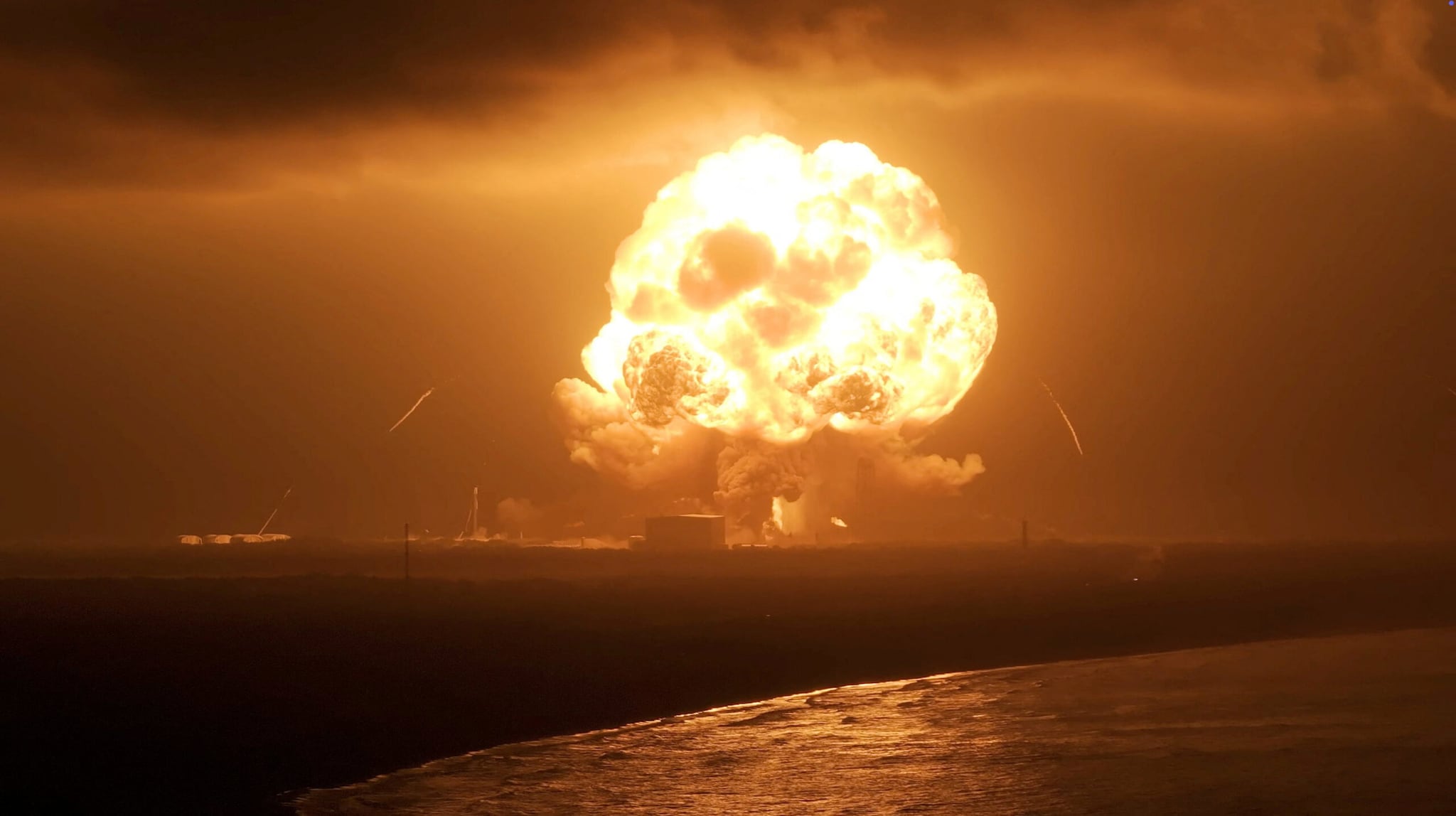
Restarting a heavily damaged liquefied natural gas terminal isn't like flipping a light switch. Qatar found that out the hard way on Sunday night.
A massive explosion tore through the Barzan gas supply facility inside the sprawling Ras Laffan Industrial City. The official line from Qatar’s Interior Ministry is that a "technical malfunction" caused the blast. But when an incident leaves 54 workers injured and 18 missing, calling it a simple technical issue feels like a massive understatement.
The timing couldn't be worse for global energy markets, or for Qatar’s wallet.
The Real Cost of the Blast
For months, the world's biggest gas buyers have been holding their breath. Qatar shares its massive offshore gas field with Iran, a reality that turned dangerous during the recent war. After Iranian drone and missile strikes knocked out parts of Ras Laffan back in March, production ground to a halt. Qatar literally couldn't get its shipments out because Iran had a chokehold on the Strait of Hormuz.
Now, with the US and Iran holding delicate peace talks in Switzerland, the grip on the strait loosened. Qatar rushed to turn the lights back on. Then came Sunday night's mushroom cloud.
The Barzan plant isn't just another piece of pipe. It moves roughly 1.4 billion standard cubic feet of sales gas every single day. If you don't live in the desert, that number might not mean much. But here is what it actually does.
- Powers the domestic electricity grid for Qatar.
- Feeds the desalination plants providing drinking water across the peninsula.
- Drives the cash flow that funds Qatar's massive global influence campaigns.
When this specific facility goes dark, local life gets incredibly complicated, and international energy buyers start scrambling for alternatives. South Korea and several European nations rely heavily on this specific hub to keep their own grids running.
Why Turning LNG Facilities Back On Is Terrifying
Process engineers know a secret that executives hate to admit. The most dangerous moment for any chemical or gas plant is the startup phase.
When a facility sits idle after a military strike, lines cool down. Valves stick. Residual gases can pool in pockets where they don't belong. If a crew rushes the purge cycles to meet a hard deadline set by politicians wanting to show the world they are "open for business," things go wrong fast.
Initial reports on Sunday tried to downplay the disaster, claiming only a handful of minor injuries. Hours later, the truth slipped out. The Qatari International Search and Rescue Group had to be deployed alongside civil defense teams to hunt for the 18 missing crew members. You don't call in international search teams for a minor pipe leak.
The physical destruction is only part of the problem. Energy Minister Saad Al-Kaabi previously noted that completing full repairs from the initial springtime attacks could take three to five years, reducing export capacity by about 17 percent. Sunday's disaster likely resets that clock completely.
What This Means for Your Energy Bill
If you think a fire in the Arabian desert won't affect you, think again. The global gas market is tight. There is almost zero spare capacity.
With Ras Laffan's recovery delayed, European buyers who dumped Russian gas will have to keep competing with Asian markets for every available cargo coming out of the US or Australia. Expect volatility. Traders are already pricing in the reality that Qatar won't be rescuing the market anytime soon.
For Qatar, the stakes go beyond money. They’ve spent decades positioning themselves as the ultimate neutral mediator, using gas wealth to build networks like Al Jazeera and host the World Cup. But if they can’t guarantee the safety of their own infrastructure, their leverage at the diplomatic table shrinks.
If you manage logistics, run a manufacturing business, or trade commodities, stop waiting for Gulf supply lines to normalize this winter. Secure alternative energy contracts now. Relying on a quick Qatari recovery is a losing bet.