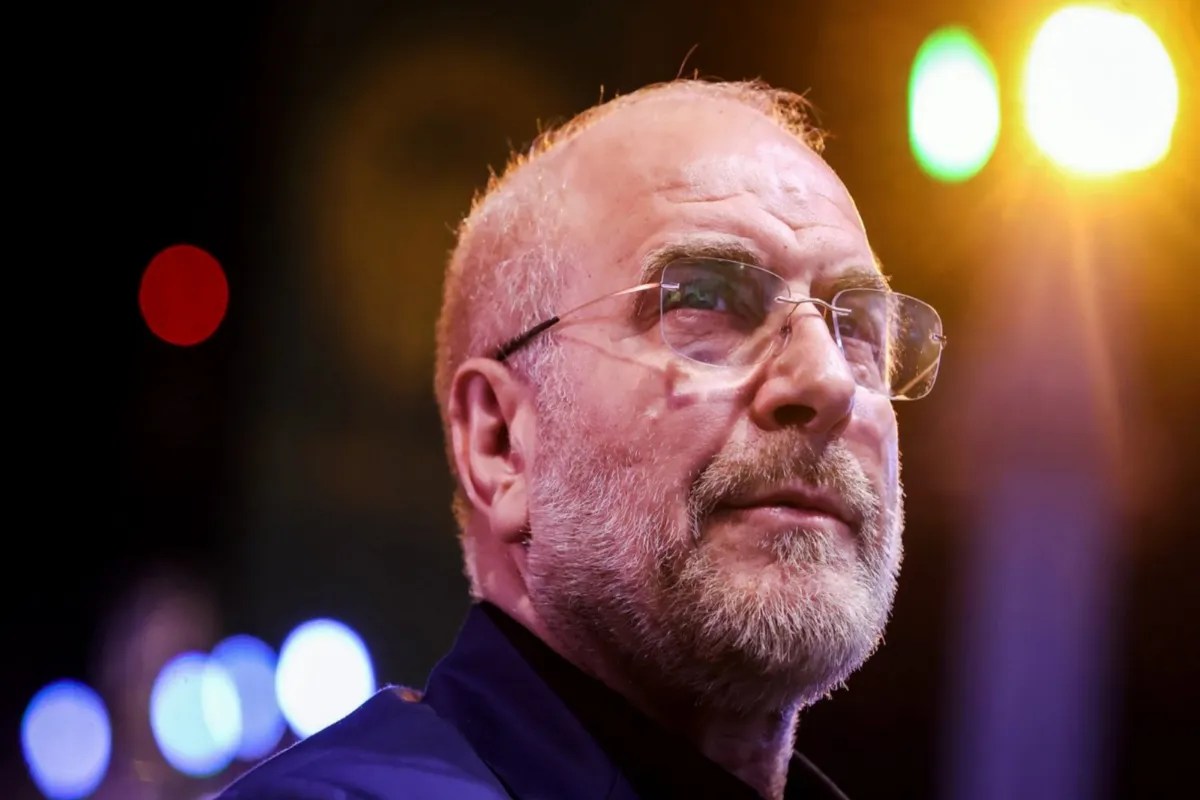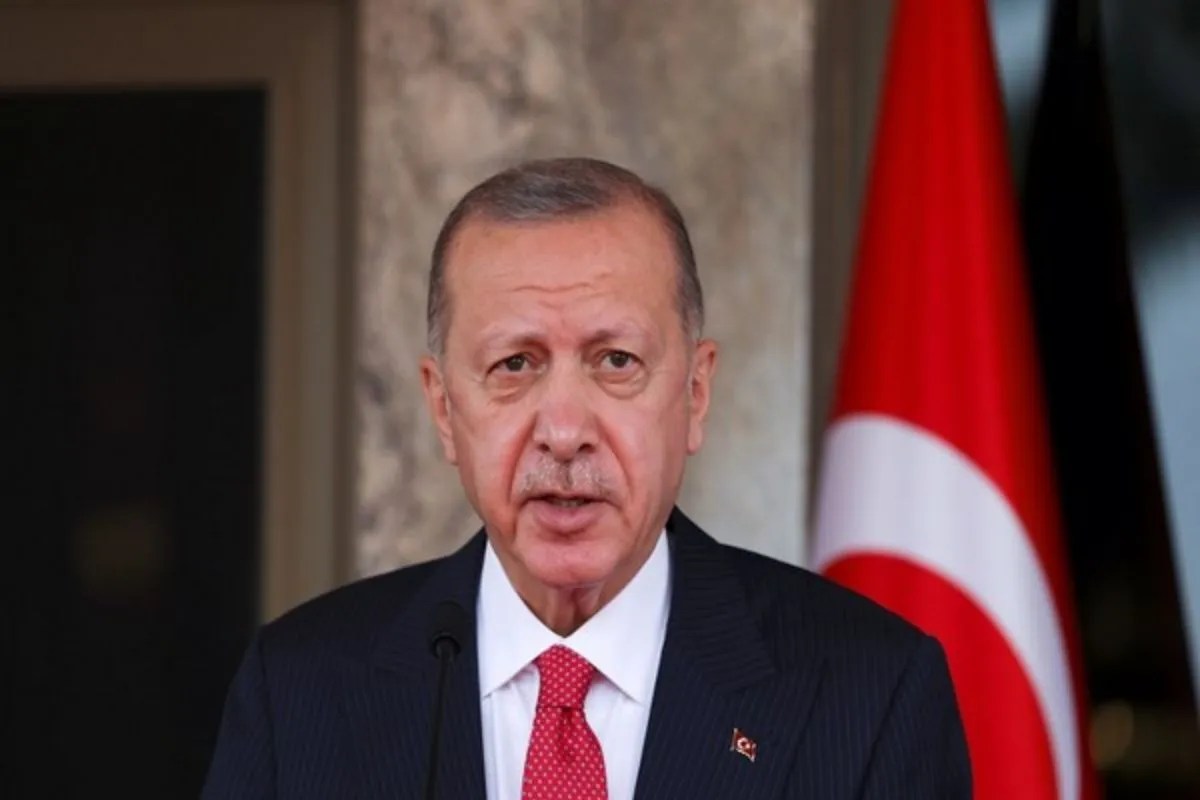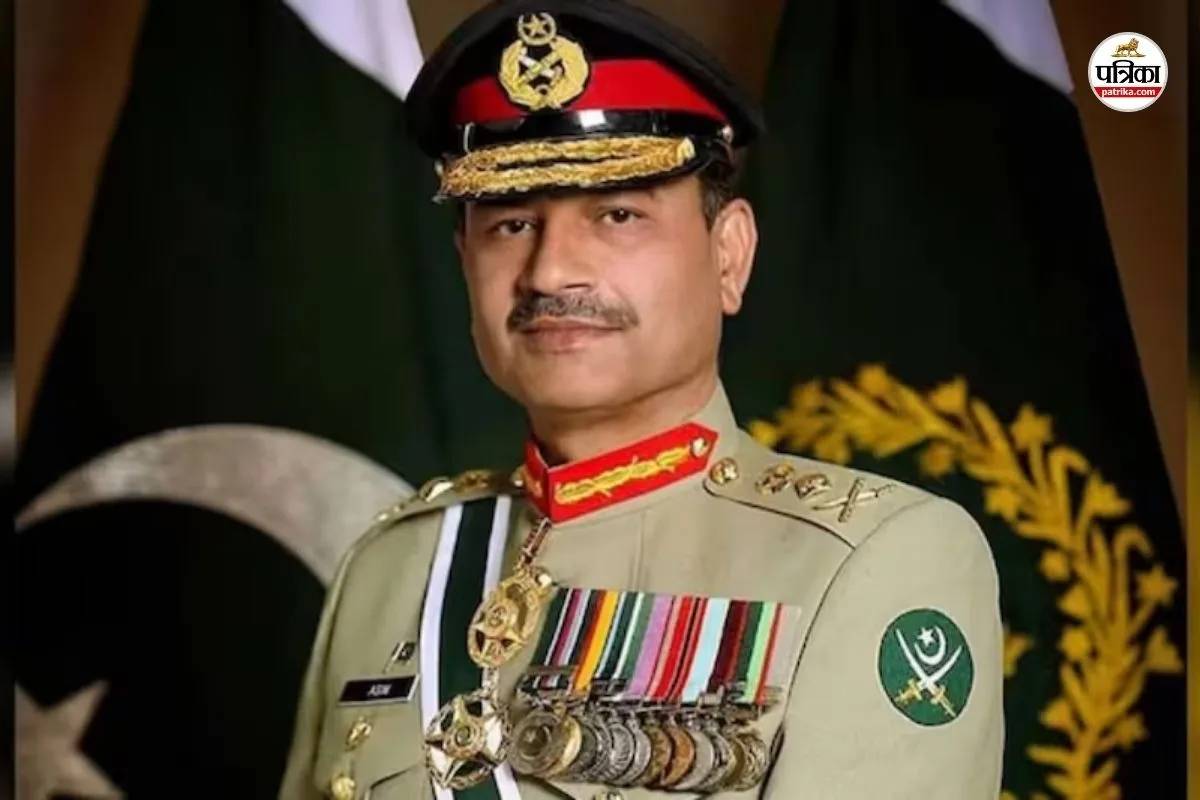
The air in the room carries the scent of heavy tea and old paper. Outside, the streets of Tehran are a chaotic symphony of motorbikes and commerce, but inside these walls, the silence is deliberate. It is the kind of silence that precedes a storm or a surgical incision. Masoud Pezeshkian sits at the center of this stillness, a man who spent decades as a heart surgeon before he ever stepped into the theater of global brinkmanship.
He knows that in surgery, as in diplomacy, the difference between a life-saving intervention and a fatal mistake is measured in millimeters.
For weeks, the headlines have pulsed with a singular, reductive narrative. They suggest that to talk is to tremble. They frame the act of sitting across from an adversary as an admission of defeat. But the heart surgeon understands a different truth. Dialogue is not a white flag raised in the wind. It is a scalpel. It is the active, grueling work of navigating a body politic that is scarred by decades of sanctions, distrust, and the constant, low-grade fever of potential conflict.
The core of the current tension lies in a paradox. Iran is defending its national interests while simultaneously signaling a willingness to engage. To the outside observer, this looks like a contradiction. To those living within the stakes, it is a survival strategy. Pezeshkian is walking a razor’s edge. Behind him are the hardliners who view every handshake as a betrayal; before him is a global community that demands total capitulation before it will even consider lifting the economic boot from the country’s neck.
Consider a shopkeeper in the Grand Bazaar. Let’s call him Reza. For Reza, the fluctuations of the rial are not just numbers on a flickering screen. They are the reason he can no longer afford the imported medicine his daughter needs. They are the reason his shelves, once bursting with variety, now hold only the essentials. When Reza hears his president speak of "national interest," he isn't thinking of nuclear centrifuges or regional proxies. He is thinking of the dignity of a full table.
Pezeshkian’s message is directed as much to Reza as it is to the United Nations. He is asserting that Iran will not be bullied into a corner, yet he is also admitting that the corner is a lonely, suffocating place to be.
The strategy is clear: define dialogue as an instrument of power. In the official rhetoric emanating from Tehran, the administration is leaning into the concept of "constructive engagement." This isn't just a buzzword. It is a shield. By positioning themselves as the party willing to talk—provided the terms respect their sovereignty—they shift the burden of the "aggressor" label back onto those who refuse to negotiate or who insist on unilateral pressure.
But the real problem lies elsewhere. The world has a short memory. It forgets that trust is not a natural resource; it is a manufactured commodity, and the factory has been closed for a very long time.
The 2015 nuclear deal, known as the JCPOA, was supposed to be the blueprint. It was a moment where the invisible stakes became visible—a brief window where the prospect of a normalized economy seemed possible for the millions of Rezas in the country. When that deal was dismantled, the vacuum wasn't filled with nothing. It was filled with a hardened, cynical resolve.
Now, Pezeshkian must operate within that cynicism. He is defending national interests by refusing to let the country be defined solely by its defiance. He is arguing that a strong nation is one that can look its enemy in the eye without blinking, but also without reaching for a weapon if a word will suffice.
Wait. Let’s look closer at what "surrender" actually means in this context. To the critics, surrender is any concession on the nuclear program or regional influence. To the pragmatists, surrender is allowing the economy to bleed out while waiting for a perfect geopolitical weather pattern that may never arrive.
The President is attempting to redefine the vocabulary of the state. He is framing the defense of national interests not as a wall, but as a bridge with a very strict toll. You want to talk? We are here. You want to pressure? We have survived worse.
There is a visceral weight to this stance. It’s the weight of a man who has seen patients die because the equipment they needed was caught in a web of international bureaucracy. It’s the weight of a leader who knows that "national interest" is a hollow phrase if the nation’s people are exhausted by the struggle of daily existence.
Critics often mistake a quiet voice for a weak one. They see the lack of fiery, bellicose rhetoric as a sign of a softening stance. They are wrong. In the operating room, the loudest person isn't the one in charge. The person in charge is the one whose hands are steady.
Pezeshkian is gambling on the idea that the world is as tired of the stalemate as his people are. He is betting that there is a path where Iran can maintain its red lines—its right to technology, its security, its pride—while slowly re-entering the global fold.
But what happens next?
The invisible stakes are rising. Every month that passes without a breakthrough, the hardliners on both sides of the ocean grow louder. They feed on the absence of dialogue. They thrive in the shadow cast by the lack of communication.
The President’s defense of national interests is a high-stakes performance of balance. He is telling his domestic audience that he will not give away the store. He is telling the international audience that the store is open, but the prices are non-negotiable.
This is the human element of geopolitics. It isn't just about treaties and yellowcake uranium. It’s about the psychological warfare of who blinks first. It’s about the pride of an ancient civilization that refuses to be treated like a rogue province.
The struggle is not just between Tehran and Washington. It is a struggle within the soul of the Iranian state itself. It is a battle between the impulse to retreat into a fortress and the necessity of stepping out into the light, even if that light is harsh and unforgiving.
Pezeshkian stands at the podium, his voice steady, his eyes reflecting the exhaustion and the determination of a man who knows the clock is ticking. He is not surrendering. He is simply refusing to let the silence have the last word.
The tea in the Persian room has gone cold. The paper remains on the desk, waiting for a signature that might never come. But the door is not locked. It is heavy, it is reinforced, and it is guarded—but it is not locked.