The diplomatic choreography playing out in European capitals and Pakistani diplomatic enclaves is a dangerous illusion. While Secretary of State Marco Rubio publicizes "slight progress" in ongoing negotiations with Tehran, the reality on the ground point toward a far grimmer outcome. Washington and Tehran are not on the verge of a historic breakthrough. They are trapped in an irreconcilable standoff, using a fragile, mid-April ceasefire to restock their arsenals, fortify their strategic positions, and prepare for a catastrophic second phase of a war that neither side knows how to end.
The primary barrier to peace is not a lack of diplomatic will or a disagreement over minor technicalities. It is a fundamental mismatch in core strategic objectives. The Trump administration demands nothing less than the total capitulation of the Iranian state, including the complete forfeiture and physical removal of its highly enriched uranium stockpile and a total ban on domestic enrichment. For an Iranian regime that has already survived the assassination of Supreme Leader Ali Khamenei and devastating airstrikes during Operation Epic Fury, accepting such terms would be tantamount to voluntary regime change. Building on this idea, you can find more in: Strategic Escalation Logic: Deconstructing the Kremlin Response to the Belgorod Dormitory Strike.
The Illusion of Progress
Public statements from high-ranking officials are designed to project control and manage nervous global oil markets, but the underlying mechanics of the negotiations reveal deep systemic friction. Rubio notes a "little bit of movement" ahead of NATO summits, yet these minor concessions do not touch the core issues.
The diplomatic framework currently relies on third-party mediation, primarily driven by Pakistani Army Chief General Asim Munir and Omani diplomats. Pakistan is in a difficult position, attempting to balance its extensive defense obligations to Saudi Arabia with the urgent need to stabilize its immediate western border. This mediation managed to secure the temporary ceasefire, but it has failed to bridge the gap between Washington’s "zero enrichment" demand and Tehran’s insistence on national sovereignty. Analysts at Al Jazeera have also weighed in on this trend.
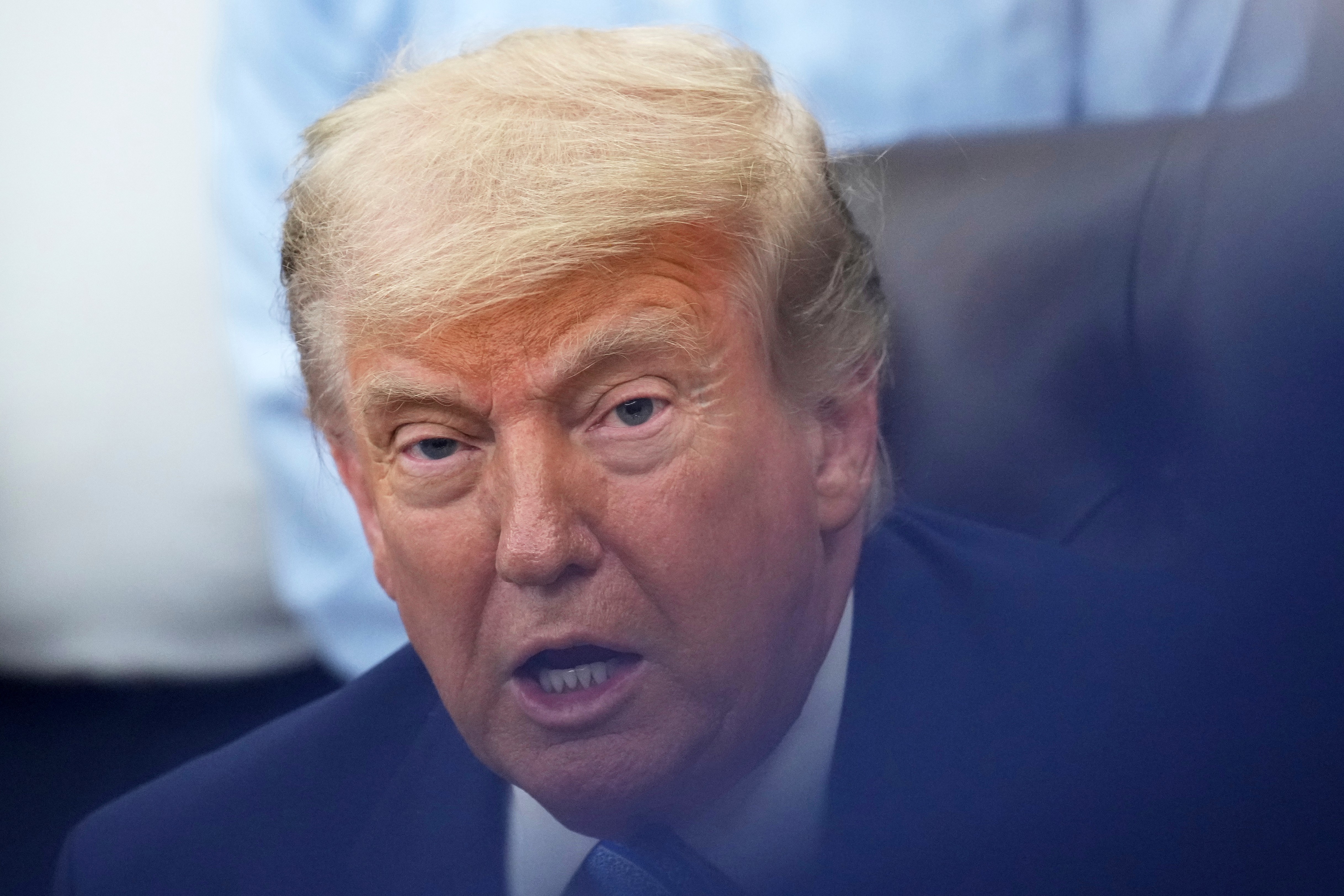
A stark disconnect exists between the reality of the military situation and the political rhetoric coming out of Washington. President Donald Trump has repeatedly threatened to resume military action if a definitive deal is not reached, setting aggressive deadlines and then extending them under pressure from Gulf allies like Qatar and the UAE. This pattern of behavior creates a volatile environment where miscalculation becomes highly probable.
The Battle for the Strait of Hormuz
While diplomats argue in Islamabad and European boardrooms, a secondary confrontation is unfolding in the world's most critical maritime choke point. The war has evolved from an aerial bombardment campaign into an economic war of attrition centered on the Strait of Hormuz.
+-------------------------------------------------------------+
|               THE DUAL BLOCKADE DEADLOCK                    |
+-------------------------------------------------------------+
|  U.S. Navy Blockade                Iran Transit System      |
|  - Restricts Iranian ports         - Imposes $150k tariff   |
|  - 94 commercial ships diverted    - Exempts Russia/China   |
|  - 4 vessels disabled              - Denies adversary links |
+-------------------------------------------------------------+
Iran is using the current pause in hostilities to establish a new regulatory reality in the Persian Gulf. Rather than blockading the waterway entirely, the Islamic Revolutionary Guard Corps (IRGC) has implemented a highly sophisticated, multi-tiered transit system. Strategic allies like Russia and China receive top-tier, unhindered passage. Nations with neutral or transactional ties, such as India, navigate through specialized bilateral agreements. Everyone else face a case-by-case evaluation and a steep transit fee, often reaching $150,000 per vessel. Any ship linked to hostile nations is barred completely.
This strategy is an attempt to normalize Iranian control over international waters and turn a vital maritime choke point into a sovereign toll road.
Washington has responded with a policy of direct counter-intervention. U.S. Central Command has enforced a strict naval blockade of Iranian ports, redirecting nearly a hundred commercial vessels and directly disabling several others suspected of breaching the embargo. The White House has made it clear that a permanent Iranian tolling system in the strait is entirely unacceptable to global commerce. This brings both sides into direct conflict, as Iran has no intention of voluntarily abandoning its newly acquired economic leverage.
Fractures in the Coalition
The diplomatic situation is further complicated by severe coordination issues within the U.S.-led coalition. A recent, highly contentious phone conversation between President Trump and Israeli Prime Minister Benjamin Netanyahu exposed deep disagreements regarding the trajectory of the military campaign.
Israel views Washington's willingness to engage in protracted diplomatic negotiations as a strategic mistake. From the Israeli perspective, the initial success of Operation Epic Fury—which severely damaged Iran's military infrastructure and eliminated top leadership—created a brief window of vulnerability that should have been used to dismantle the regime's nuclear apparatus entirely. The current pause allows the remaining IRGC leadership to reorganize, re-establish command structures, and harden their remaining assets underground.
          [ U.S. STRATEGIC POSITION ]
           Focus: Diplomatic Deal / Regional Stability
                       |
                       v  (Tense Policy Split)
                       ^
          [ ISRAELI STRATEGIC POSITION ]
           Focus: Maximum Military Pressure / Total Dismantlement
Meanwhile, Gulf Arab states find themselves caught in the middle of this geopolitical crossfire. While countries like Saudi Arabia and the United Arab Emirates have historically supported maximum pressure on Tehran, the reality of direct retaliation has changed their perspective. Iranian missile and drone strikes during the early weeks of the conflict caused substantial disruptions to regional energy production and infrastructure.
As a result, Gulf leaders have actively intervened to request pauses in U.S. airstrikes, favoring containment over an all-out war that would inevitably devastate their own economies. This split within the alliance gives Iran room to maneuver, allowing Tehran to exploit the differing priorities of Washington, Jerusalem, and Riyadh.
The Uranium Dilemma
At the center of this conflict lies the status of Iran's highly enriched uranium. The White House has committed to a policy that requires the physical retrieval and removal of Iran’s estimated 900-pound stockpile of 60% enriched uranium. U.S. officials claim that much of this material was effectively buried and trapped beneath the rubble of facilities targeted during the initial joint airstrikes.
This creates an incredibly complex problem.
- Verifiability: Securing, verifying, and extracting hundreds of pounds of highly enriched material from a hostile country requires an extensive, highly intrusive ground operation.
- Sovereignty: Iran views its remaining nuclear material as its ultimate survival asset. The head of Iran's Atomic Energy Organization has repeatedly stated that the nation will not accept external limits or surrender its material under duress.
- Enforcement: Without a comprehensive ground monitoring system, any diplomatic agreement relies on trust—a commodity that does not exist between the belligerents.
The logistical reality of extracting this material makes a purely diplomatic solution highly improbable. Iran will not hand over its primary geopolitical leverage while under a total naval blockade, and the United States cannot declare victory without neutralizing the nuclear threat permanently.
The High Cost of the Standoff
The financial and operational costs of maintaining this armed truce are rapidly becoming unsustainable for all parties involved. The Pentagon has already incurred tens of billions of dollars in direct operational costs to maintain an expanded carrier strike group presence, enforce the maritime blockade, and support regional air defense systems. The broader economic consequences are even more severe, marked by significant volatility in global energy markets and soaring maritime insurance premiums for any vessel entering the Indian Ocean.
The IRGC has warned that if the ceasefire collapses and U.S.-Israeli strikes resume, they will expand the conflict far beyond the Middle East. This threat likely involves asymmetric operations against international shipping lanes in the Red Sea and the Bab el-Mandeb Strait, alongside the potential deployment of longer-range systems.
The current diplomatic strategy is reaching its logical limit. The United States cannot afford an indefinite, multi-billion-dollar maritime blockade, and Iran’s economy cannot withstand a permanent embargo. If the current round of Pakistan-mediated talks fails to produce a breakthrough on the nuclear issue by mid-summer, the collapse of the ceasefire is virtually inevitable.
Rather than a path to peace, the current "slight progress" is merely the quiet before a much larger storm. Naval commanders and regional strategists are already adjusting their plans for the next phase of operations. The transition from an uneasy truce back to active conflict will not depend on a sudden provocation, but on the simple, mathematical reality that both sides are running out of time, money, and diplomatic options.