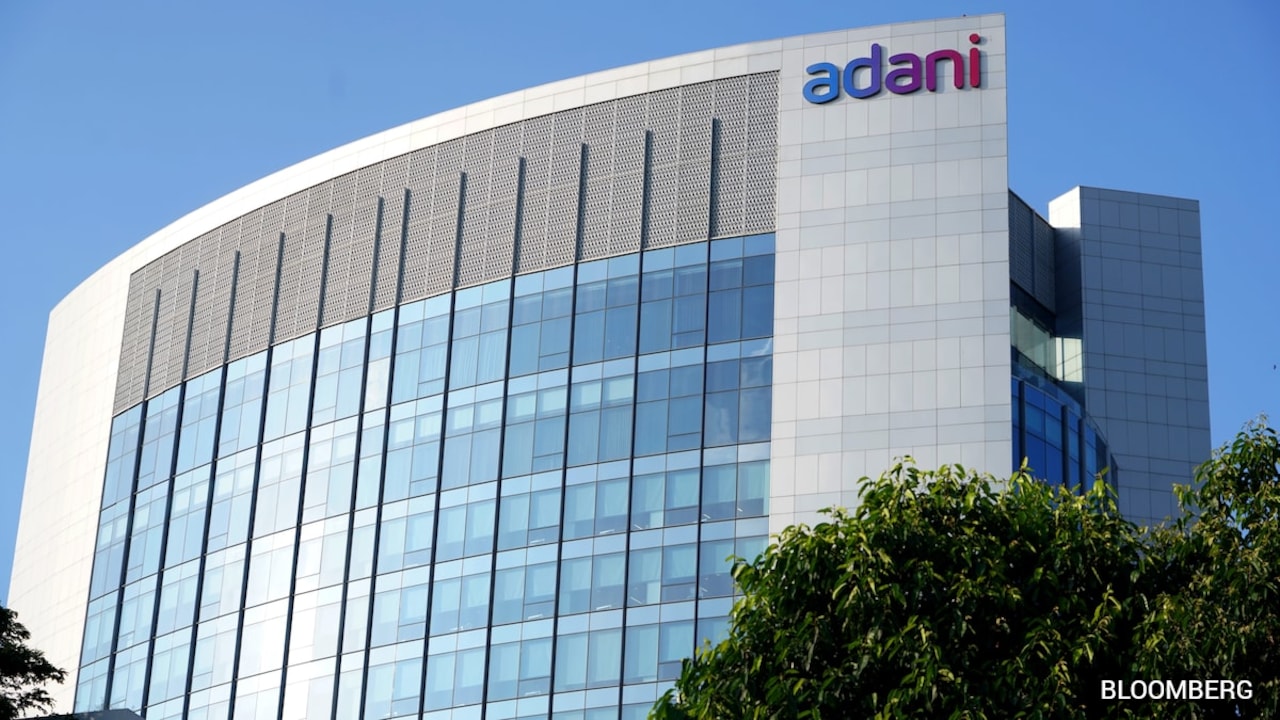
Kenya has officially awarded a $2.9 billion expansion contract for Nairobi’s Jomo Kenyatta International Airport to China Communications Construction Company. The decision arrives nearly two years after public outrage, labor strikes, and international legal scrutiny forced the government to scrap a highly controversial 30-year concession proposal with India’s Adani Group.
While the shift to a familiar infrastructure partner satisfies local critics wary of handing over a vital national asset to a foreign concessionaire, the fiscal reality is sobering. At $2.9 billion, the new Chinese deal carries a price tag roughly 50 percent higher than the $2 billion private-finance offer previously tabled by Adani.
This steep premium represents a dramatic policy pivot for President William Ruto’s administration, which initially sought to avoid adding more debt to Kenya's strained balance sheet. By transitioning from a public-private partnership lease to a state-funded engineering procurement contract, Kenya is prioritizing sovereignty and political survival over immediate cost savings.
Shifting From Free Upgrades to Commercial Debt
To understand the 50 percent price discrepancy, one must look at how these two deals were structurally designed. The canceled Adani proposal was built as a Build-Operate-Transfer concession. The Indian conglomerate offered to invest $2 billion to construct a second runway and a modernized passenger terminal. In exchange, Adani would operate the airport for three decades to recoup its investment before returning ownership to the state. The immediate financial burden on the Kenyan taxpayer was effectively zero.
The newly signed contract with China Communications Construction Company abandons the concession model entirely. This is a traditional build-only infrastructure contract. The state retains full operational control of the airport from day one, but it also assumes 100 percent of the financial risk.
Nairobi must now find $2.9 billion to pay the Chinese contractor. The government plans to raise these funds through a combination of privatization proceeds channeled into a newly minted National Infrastructure Fund and commercial loans. These loans will be paid back by securitizing future air passenger service charges.
Kenya is choosing to borrow billions of dollars to build an airport it could have had built for free by a private operator. The premium is the explicit cost of keeping a strategic gateway in state hands.
The Geopolitical Emergency in East African Skies
Nairobi’s rush to lock in a builder reflects an escalating aviation arms race in East Africa. Jomo Kenyatta International Airport is operating far beyond its limits. Built to handle 7.5 million passengers annually, the hub processed nearly 9 million travelers in 2025. Frequent power outages, leaking terminal roofs, and single-runway bottlenecks have steadily eroded its reputation.
Neighboring rivals are capitalizing on these vulnerabilities.
- Ethiopia is advancing a massive $12.5 billion mega-airport project near Addis Ababa, designed to anchor the continent's largest and most successful airline.
- Rwanda is aggressively building a state-of-the-art international facility in Bugesera, backed by the deep pockets and logistical muscle of Qatar Airways.
Kenya cannot afford to spend another two years tangled in legal gridlock. The country risks being permanently downgraded to a secondary regional feeder. By hiring a Chinese state firm that already boasts a massive local footprint—having constructed the Mombasa-Nairobi Standard Gauge Railway and the Nairobi Expressway—the government is banking on speed.
The High Cost of Political Capitulation
The collapse of the Adani deal in late 2024 was a major victory for Kenyan civil society, local aviation unions, and legal watchdogs. Critics argued that the 30-year lease lacked transparency, threatened local jobs, and bypassed constitutional procurement safeguards. When U.S. prosecutors subsequently indicted Adani Group leadership over separate global bribery allegations, the political cost for President Ruto became untenable. He canceled the deal in November 2024 to appease a restive public.
However, political victories frequently trigger fiscal consequences.
By terminating the Adani partnership, the government mollified protesters but found itself stuck with an crumbling airport and an empty wallet. Turning back to Beijing was the path of least political resistance, even if it proved far more expensive. Chinese state-backed entities have long shown a willingness to undertake high-risk African infrastructure projects without demanding the lengthy public debates or strict governance benchmarks often required by Western lenders.
The $900 million premium underscores the vulnerability of developing nations caught between public resistance to privatization and the urgent requirement for modern infrastructure.
A Dangerous Bet on Future Passenger Fees
Securitizing air passenger charges to pay off the commercial loans for this project introduces a significant financial gamble. If regional competition from Addis Ababa and Kigali successfully diverts international traffic away from Nairobi over the coming decade, the revenues flowing into Kenya’s aviation coffers will fall short of loan repayment schedules.
Should passenger volumes drop, the national treasury will be forced to step in to cover the shortfall. This would divert scarce public funds away from critical sectors like healthcare, education, and domestic debt servicing.
The ultimate success of the $2.9 billion gamble rests on a razor-thin assumption: that a shiny new terminal built by a Chinese contractor will automatically win back the regional traffic that Nairobi has spent the last decade losing.