The Numbers Exposed Behind Closed Doors
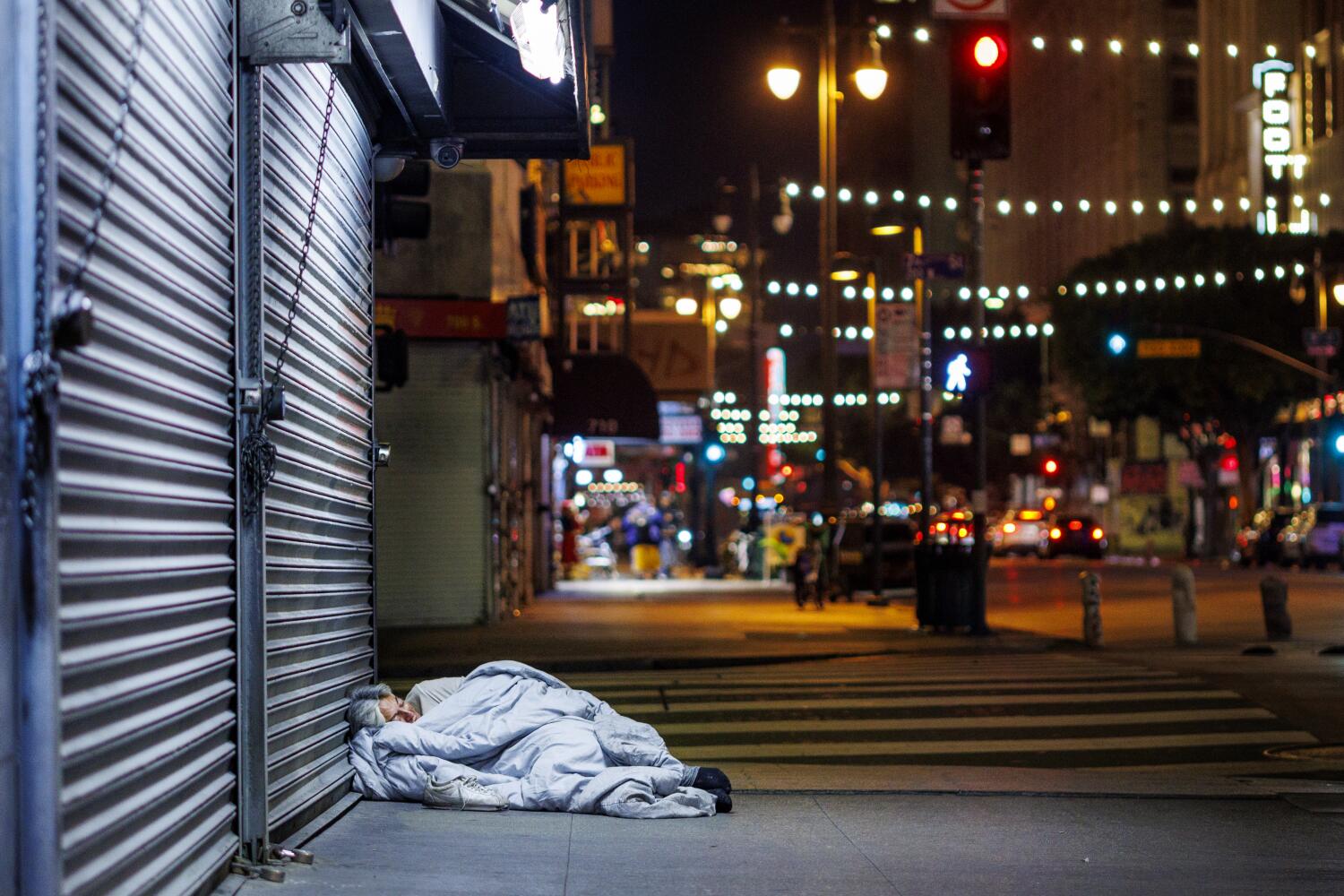
The illusion of steady progress dissolved before official municipal briefings even began. Leaked findings from the 2026 Greater Los Angeles Homeless Count revealed that following two back-to-back years of modest statistical reductions, the city's unhoused population spiked by roughly 3.5 percent. Far more damning was the sharp 8 percent jump in unsheltered individuals—those living on sidewalks, under freeway overpasses, and in makeshift encampments.
For Mayor Karen Bass, the political fallout was immediate. Her administration had pegged its credibility to dismantling tent cities and channeling unhoused residents into temporary motels through her flagship initiative, Inside Safe. When the numbers leaked ahead of the formal Los Angeles Homeless Services Authority press briefing, city hall attempted to frame the reversal as an unavoidable casualty of external forces. Official statements pointed fingers at a $70 million reduction in state allocations, alongside federal policy shifts that squeezed safety-net safety valves and drove up regional housing costs.
Political scapegoating misses the fundamental flaw in the machinery. The breakdown is not merely an external budget shock. It is an internal structural failure, driven by short-term emergency measures that burn billions without securing permanent stability for the people caught in the middle.
Inside Safe and the Revolving Door Mechanism
Inside Safe was designed as a rapid-response operation to clear visible street encampments. On paper, the model looked straightforward. The city negotiated master leases with budget motels, deployed outreach workers to clear tents block by block, and moved thousands of unsheltered Angelenos into temporary rooms.
The short-term numbers looked promising during the initial two years. City officials frequently cited figures showing thousands of individuals brought off the pavement, creating a temporary visible decline in high-profile neighborhoods like Skid Row, Venice, and Hollywood.
Yet temporary motel stays do not equal housing.
Behind the public press releases lay a deep structural flaw. A tracking analysis of municipal data revealed that roughly 41 percent of unhoused individuals who entered the Inside Safe program eventually cycled back onto the streets. Motels served as expensive holding pens rather than launchpads into permanent housing. When daily room rates, security contracts, site management, and catered meals were tallied up, the city was spending thousands of dollars per person each month for accommodations that lacked real supportive services, addiction treatment, or mental healthcare resources.
Once the temporary funding windows closed or motel operational leases expired, residents found themselves back on the sidewalk. The program succeeded in temporarily shuffling poverty out of public view, but it failed to build the permanent bridge needed to keep people off the ground permanently.
The LAHSA Bureaucracy and Trillion Dollar Bottlenecks
Money has not been missing from this equation. Over the past decade, California taxpayers poured billions into local initiatives, municipal bonds, and county measures explicitly dedicated to ending chronic homelessness.
Where did that capital go?
Much of it dissolved into a labyrinthine administrative bureaucracy led by the Los Angeles Homeless Services Authority, an agency joint-governed by the city and county that has faced years of harsh audit critiques and court-ordered scrutiny. Independent audits revealed consistent failure to track contractor spending, delays in paying frontline service providers, and administrative gridlock that slowed the deployment of basic housing vouchers.
Frontline non-profit providers, the entities actually operating shelters and managing caseworkers, regularly went unpaid for months at a time due to administrative paperwork delays inside LAHSA. Small organizations were forced to take out high-interest loans just to cover payroll while waiting for city reimbursements. This administrative drag crippled the capacity of local organizations to recruit and retain qualified caseworkers, leaving unhoused residents with high caseworker turnover and fragmented care plans.
While bureaucratic agencies spent years in jurisdictional disputes over whether municipal or county agencies were responsible for mental health outreach, the actual physical capacity to house people stalled.
Housing Construction Costs and Regulatory Paralysis
Building permanent supportive housing in Southern California remains astronomically expensive and extraordinarily slow. Despite emergency declarations meant to bypass red tape, developers building subsidized units in Los Angeles regularly face costs exceeding $600,000 to $700,000 per unit.
Permitting delays, NIMBY zoning challenges, environmental review lawsuits, and prevailing wage mandates combine to drag construction timelines out over four to six years per project. By the time a single 50-unit supportive housing complex opens its doors, thousands more residents have slipped past the economic edge into homelessness.
The high cost per unit creates a mathematical impossibility. With tens of thousands of individuals living on the street, constructing individual subsidized apartments at three-quarters of a million dollars each requires capital reserves that simply do not exist at the municipal level, especially as state grant programs dry up.
Economic Squeeze and the Upstream Inflow
City policy focuses almost entirely on managing the population already living on the streets. It pays far too little attention to preventing working-class families from falling off the economic edge in the first place.
Los Angeles remains one of the most cost-burdened housing markets on the planet. Median rents consume over 40 percent of average household income in lower-income zip codes. When federal emergency rental assistance programs dried up and pandemic-era eviction protections lapsed, the inflow of newly unhoused individuals accelerated faster than city programs could clear existing encampments.
For every ten people moved off the street by municipal outreach workers, a dozen more lost their apartments due to sudden job loss, rent hikes, medical debt, or family displacement. The system operates like a boat with a hole in the hull—city leadership spends all its energy bailing out water with a bucket while refusing to plug the leak.
Addiction treatment capacity presents another severe bottleneck. The county lacks sufficient residential detox beds and dual-diagnosis treatment slots. Unhoused individuals struggling with severe substance dependency or psychiatric disorders are frequently placed in motel rooms through Inside Safe without the intensive clinical support required to keep them stable. Predictably, behavioral crises lead to property damage, lease terminations, and an immediate return to the street.
Breaking the Cycle Requires Structural Reality
Reversing this crisis requires abandoning high-visibility quick fixes in favor of structural overhaul. Political leaders cannot rely on temporary motel sweeps to produce permanent results.
First, administrative authority must be consolidated and streamlined. The dual-jurisdiction structure of LAHSA has proven incapable of managing billions in public funds with accountability. The city must establish direct oversight over its housing expenditure, enforcing strict performance metrics for service providers and eliminating payment delays that paralyze community organizations.
Second, the city must shift capital away from high-cost motel master leases and redirect those dollars toward rapid conversion of existing commercial structures, adaptive reuse of vacant properties, and master-leasing standard private market apartments. Regulatory relief must be granted to low-income housing projects, capping per-unit development costs and fast-tracking approvals within weeks rather than years.
Third, prevention must become the priority. Expanding targeted rental assistance funds, providing legal defense in eviction courts, and establishing immediate emergency cash grants for families on the verge of displacement costs a fraction of what the city spends managing a single individual once they end up on the sidewalk.
The 2026 count figures represent a harsh reality check for Los Angeles. Sweeping tents off a block offers a temporary photo opportunity, but without deep reform of the bureaucratic machinery and a relentless focus on permanent, cost-effective housing, the numbers will continue to rise.