Municipal leaders love a ribbon-cutting ceremony, especially when a massive global sporting event is rolling into town. The upcoming Los Angeles 2028 Olympic Games have triggered the usual flurry of infrastructure promises, corporate sponsorships, and environmental pledges. Chief among these is a high-profile expansion of river plastic interception technology. Promoted heavily by corporate partners and non-profit entities, the deployment of automated trash-catching boats and barriers in the Los Angeles River and San Gabriel River is being framed as the definitive solution to the region's marine debris crisis. It is a compelling narrative.
The strategy is deeply flawed because it addresses the symptom of plastic pollution while completely ignoring the structural mechanics of municipal waste management. Deploying high-tech filters at the mouths of rivers to intercept trash before it hits the Pacific Ocean is an expensive, late-stage intervention. It creates a false sense of security that allows plastic production and systemic urban dumping to continue unchecked. By treating the ocean plastic crisis as a downstream collection problem rather than an upstream enforcement failure, local authorities are wasting precious time and resources on a temporary public relations victory.
To understand why this approach fails, one must look at the physical reality of urban watersheds.
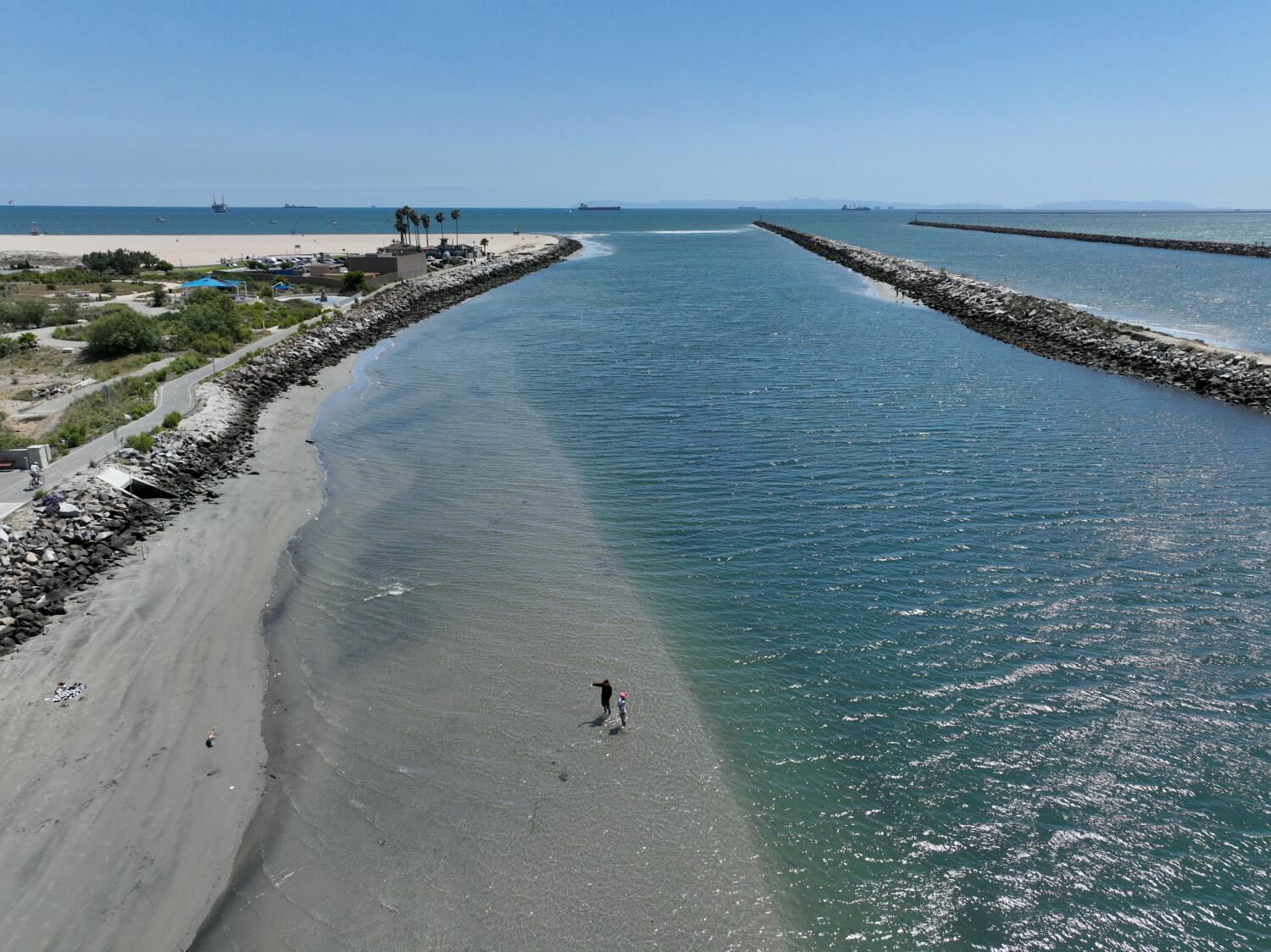
The Los Angeles and San Gabriel Rivers dump hundreds of tons of plastic into the Pacific annually. During heavy rainstorms, the region's vast concrete storm drain network acts as a high-speed funnel, washing street litter directly into the river channels. The current political consensus is that placing automated collection vessels—like the interceptor barges deployed by various environmental tech firms—at the end of these channels will clean up the coastline in time for Olympic broadcast cameras.
This logic ignores the operational limits of the technology. Floating barriers and interceptor boats can only capture macro-plastics that sit on the surface of the water column. They are utterly useless against submerged debris, and they do nothing to address the invisible crisis of microplastics. Worse, these systems are routinely overwhelmed during major storm events. When a heavy deluge hits the concrete channels of a major metropolis, the sheer velocity and volume of the water often force operators to retract the barriers to prevent structural damage or catastrophic upstream flooding. The very moments when the most trash enters the river system are the exact moments these high-tech filters are taken offline.
The reliance on downstream interception creates an optimization trap for local governments.
[Street Litter] ---> [Storm Drains] ---> [River Interceptors] ---> [Pacific Ocean]
                           |                      |
                   (Systemic Failure)     (Bypassed in Storms)
When a city relies on a spectacular, mechanized cleanup vessel at the river mouth, it shifts resources away from boring, unglamorous municipal maintenance. Street sweeping schedules get reduced. Storm drain catch basin inserts go uncleaned and broken. Code enforcement against commercial illegal dumping loses funding. Why spend political capital and tax dollars on rigorous, neighborhood-level trash collection when you can just catch the garbage in a branded boat further down the line?
The environmental cost of this neglect is severe. Trash that sits in storm drains or floats down concrete channels for miles before reaching an interceptor does not remain intact. It undergoes mechanical degradation. Bashing against concrete walls under intense sunlight causes large plastic items to fracture into millions of microscopic pieces. By the time the remaining plastic frames reach the collection barge, the water surrounding them is already a toxic slurry of microplastics and chemical additives. These particles flow straight through the meshes of any interceptor, entering the marine food chain where they cannot be recovered.
Historical precedent proves that mega-event cleanups built on temporary containment strategies always fall apart once the international spotlight dims.
Consider the Rio 2016 Summer Olympics. The state government of Rio de Janeiro famously promised an 80% reduction in the volume of raw sewage and garbage flowing into Guanabara Bay ahead of the sailing competitions. They deployed a fleet of eco-barriers across major river mouths and utilized satellite-guided eco-boats to scoop up floating debris. The initiative was a massive public relations success in the lead-up to the opening ceremony.
The system collapsed almost immediately after the closing ceremony. The eco-boats were benched due to state budget shortfalls, the eco-barriers broke and went unmaintained, and the structural sources of the pollution—unconnected sewage networks and absent trash collection in informal settlements—remained entirely untouched. Today, Guanabara Bay remains heavily polluted. The downstream intervention was a temporary theatrical set designed for global television, not a permanent infrastructure solution.
The same dynamic is playing out today. The rush to deploy river filters before the Olympic flame arrives is driven by aesthetic anxiety, not ecological strategy. Cities want clean beaches for tourists and clean backdrops for international broadcasts.
True sustainability requires shifting the entire intervention model away from late-stage containment and toward source reduction and rigid local enforcement.
If municipal leaders want to stop plastic from reaching the ocean, they must start by retrofitting the urban landscape where the trash originates. This means installing and maintaining physical trash traps inside every single storm drain drop inlet across the watershed. Capturing trash at the street corner prevents it from ever entering the river system, stops it from breaking down into microplastics, and keeps the burden of collection distributed across existing municipal sanitation routes.
Simultaneously, state and local authorities must confront the commercial realities of waste production. The beverage and packaging industries continue to flood urban markets with single-use containers while funding downstream cleanup initiatives to deflect regulatory scrutiny. Supporting a river cleanup boat is an excellent corporate tax write-off that provides positive brand exposure. It allows these entities to claim they are part of the solution while they simultaneously lobby against extended producer responsibility laws and mandatory deposit-return container systems.
A strategy built on catching trash at the river mouth is an admission of systemic failure. It assumes that urban populations cannot be managed, that corporate packaging cannot be regulated, and that city streets cannot be kept clean. It treats plastic pollution as a natural consequence of rain rather than a direct result of broken civic infrastructure.
The reliance on river interceptors ahead of the Olympics is an expensive distraction. Until local governments stop treating their river systems as open-air garbage chutes that can be cleaned up with a few high-tech nets, the oceans will continue to choke on the debris of our structural neglect. The real work of saving the coastline does not happen on the water with cameras rolling. It happens in the unglamorous grid of city streets, in the enforcement of municipal codes, and in the strict regulation of the corporations that produce the waste in the first place.
To better understand the scale of the challenge that sports organizations face when confronting this problem, watch this report on Olympic Training in Rio's Trash-Filled Bay, which documents how temporary cleanup measures failed to protect athletes and waterways during a past mega-event.