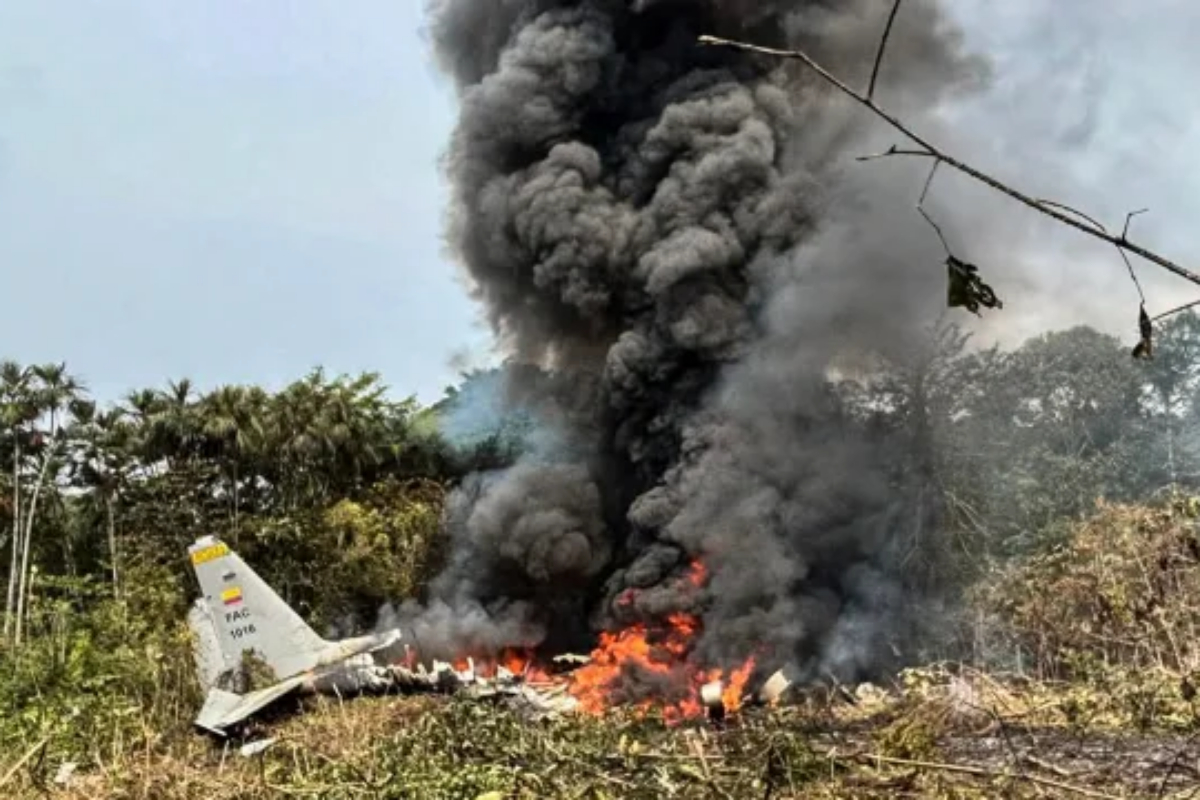
A thick column of black smoke over Port Arthur isn't just a local landmark. It's a signal that something went wrong in a system that defines the Texas Gulf Coast. When the Valero Port Arthur refinery experienced a significant fire and explosion, the immediate reaction was panic. People wanted to know if they needed to evacuate. They wanted to know what they were breathing. But once the smoke cleared, the real question surfaced. What actually caused the metal to twist and the sky to turn black?
If you live in Southeast Texas, you're used to the hum of industry. You're not used to the ground shaking beneath your feet. The blast at the Valero facility wasn't a random act of God. Industrial accidents rarely are. They're usually the result of a specific mechanical failure, a chemical imbalance, or a breakdown in the very safety protocols designed to prevent them. To understand this event, you have to look past the corporate press releases and into the high-pressure world of heavy oil processing.
Breaking Down the Heavy Oil Cracking Process
Refineries are essentially giant chemistry sets under extreme pressure. The Valero Port Arthur plant is one of the largest in the country, capable of churning through over 300,000 barrels of crude oil every single day. It specializes in "sour" crude. That's the heavy, sulfur-rich stuff that is harder to process but more profitable if you have the right equipment.
The heart of the fire lived in the units that handle this volatile material. Specifically, investigators often point toward the hydrocracker or the vacuum distillation units when things go south. In these sections of the plant, oil is heated to temperatures that would melt lead. If a pipe develops a pinhole leak due to corrosion—something the industry calls "sulfidation"—the results are catastrophic.
High-temperature hydrogen is a tricky beast. It can penetrate the grain structure of steel, making it brittle over time. When that steel finally gives way, the pressurized contents don't just leak. They atomize. They turn into a mist that finds any spark or hot surface nearby. That’s how you get an explosion that can be heard miles away in Groves or Nederland.
The Role of Mechanical Integrity and Maintenance Cycles
We often hear about "human error," but that's a lazy explanation. Most of the time, the error happened months or years before the fire during a maintenance "turnaround." These are the periods when a unit is shut down for cleaning and repairs. There is massive pressure on managers to get the unit back online. Every day a refinery isn't producing is a day it's losing millions of dollars.
When a fire breaks out at a place like Valero, you have to ask about the age of the infrastructure. Some of these pipes have been in service for decades. Even with ultrasonic testing and advanced monitoring, internal corrosion can hide in the bends and elbows of the piping. The Valero fire highlighted a recurring issue in the industry. We're running aging plants at higher capacities than ever before.
The Port Arthur facility has a history with the Texas Commission on Environmental Quality (TCEQ). They've faced fines for emissions violations in the past. While an emissions leak isn't a fire, it’s a symptom. It shows that the seal on a valve or the integrity of a tank isn't 100%. When you're dealing with explosive hydrocarbons, 99% isn't good enough.
Environmental Impact and the Fence Line Reality
For the people living in the West End of Port Arthur, the cause of the fire is secondary to the quality of the air. During the Valero explosion, the "flare" system becomes the primary safety valve. Flarings are meant to burn off excess gases to prevent the entire plant from blowing up. It’s a controlled burn, but it’s still dumping sulfur dioxide and nitrogen oxides into the atmosphere.
The localized impact of a refinery fire is intense. You see it in the soot on the cars and the "shelter in place" orders that local officials bark out over emergency frequencies. Valero often maintains that their fence-line monitoring shows no "actionable" levels of toxins. But if you're standing in your backyard smelling rotten eggs and watching a fireball, those corporate assurances feel pretty thin.
The Occupational Safety and Health Administration (OSHA) and the U.S. Chemical Safety Board (CSB) are the ones who actually dig into the wreckage. They look at the "interlocks." These are the automatic shut-off systems. If a pump fails, the interlock should kill the flow. In many refinery fires, these systems either were bypassed for maintenance or failed to activate because of a power glitch.
What Happens After the Smoke Clears
Recovering from a refinery fire takes more than just a few patches and a coat of paint. The unit involved usually stays dark for months. Valero has to go through a rigorous "Root Cause Analysis." They have to prove to federal regulators that they've fixed the underlying mechanical or systemic issue before they can fire the heaters back up.
You also see a spike in gasoline prices. When a major player like the Port Arthur refinery loses a unit, the supply chain feels the pinch. It’s a reminder of how fragile our energy infrastructure actually is. One rusted bolt or one faulty sensor in a small corner of East Texas can change the price of a gallon of gas in Chicago.
If you're a resident or a worker, your next steps involve monitoring the official reports from the CSB. These reports are dense. They're technical. But they're the only place you'll find the unvarnished truth about whether the company was cutting corners on maintenance or if this was a true "black swan" event.
Keep an eye on the TCEQ's searchable database for "Excess Emission Events." It'll show you exactly how many pounds of chemicals were released during the fire. Don't wait for a mailer from the company to tell you what happened. The data is public, even if it's buried under layers of government websites. Take your health into your own hands and stay informed about the air quality reports in the 409 area code. It's the only way to hold these industrial giants accountable for the risks they bring into your neighborhood.