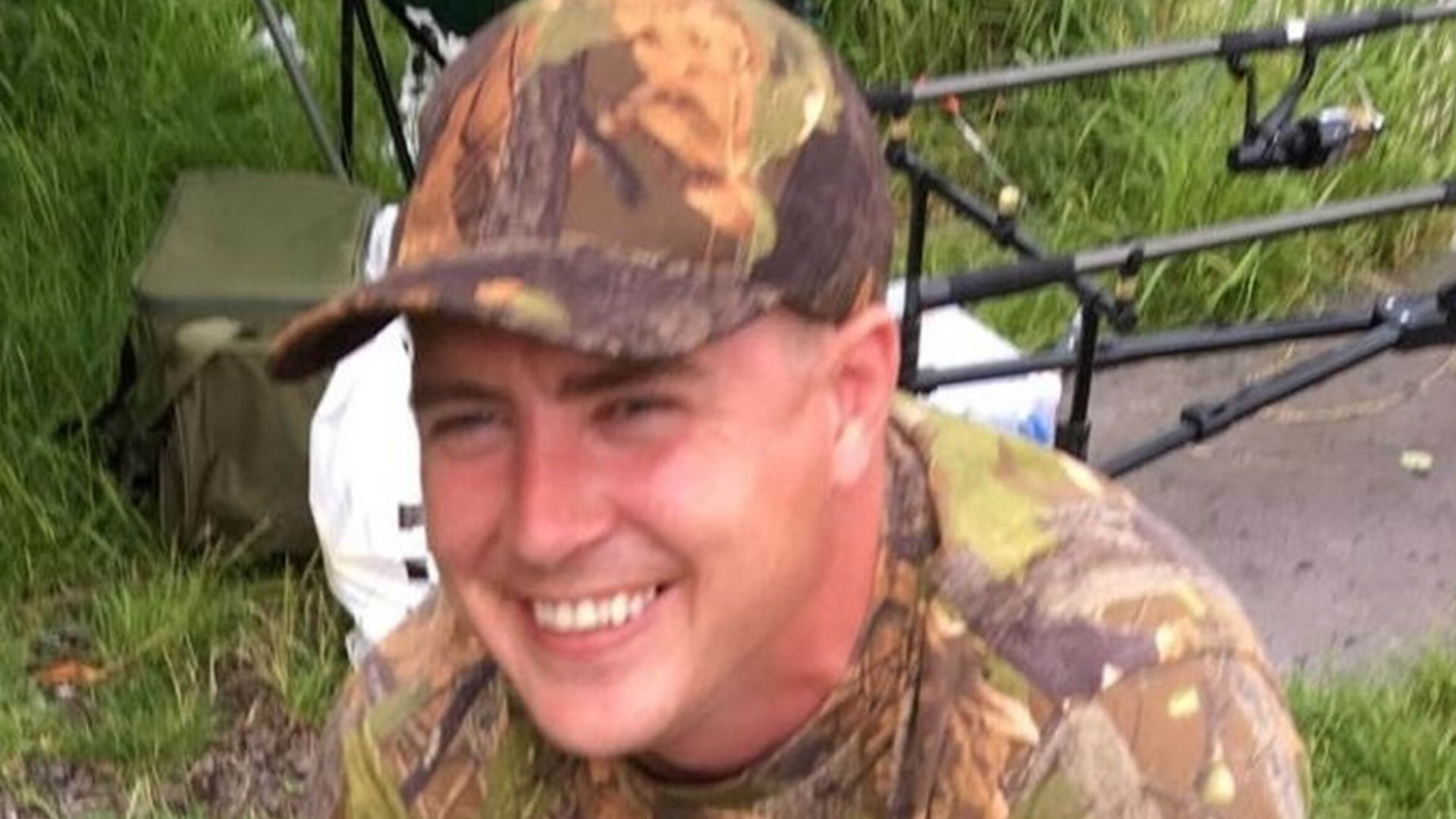
A wheelie bin behind a derelict row of houses in Liverpool became the center of a grim legal reckoning. When 61-year-old Steven Wales walked into Liverpool Crown Court and pleaded guilty to preventing a lawful burial, he pulled back the curtain on a bizarre and unsettling sequence of events.
The case ties directly into the aftermath of a devastating arson attack that claimed the lives of an elderly couple, Sheila Jackson and Eric Greener. One of the primary suspects in that fire, 40-year-old Paul Smith—known locally as "Smigger"—met his own end under strange circumstances just days after the blaze. Rather than calling authorities right away, Wales panicked, moved the corpse, and stuffed it into a wheelie bin. Expanding on this topic, you can find more in: The Quiet Architecture of Control and the Battle Over India Financial Borders.
Unraveling the Timeline of the Everton Disposal
The sequence started in July 2025. Investigators established that Smith had been involved in a targeted arson attack on a home in St Helens. The fire tragically killed 83-year-old Sheila Jackson and her 77-year-old partner Eric Greener, who succumbed to burns and smoke inhalation after being pulled from the flames.
Days later, Smith died inside a property on Coniston Street in the Everton area of Liverpool. A Home Office pathologist later revealed that Smith had ingested a lethal cocktail of drugs, including heroin, a significant amount of cocaine, and various sedatives. Toxicology reports pointed squarely to mixed drug toxicity as the cause of respiratory failure. Police confirmed that his death itself was not the result of a fresh criminal act. Observers at BBC News have provided expertise on this trend.
What happened immediately afterward forms the basis of Wales's criminal charge. Instead of reporting the drug fatality, Wales and potentially others shifted Smith's body out of the house. They dumped him into a wheelie bin positioned at the rear of derelict properties on Thirlmere Road.
The Discovery and Police Intervention
The grim truth came to light on July 22, 2025. Steven Wales finally contacted Merseyside Police, spinning a tale that a man had either drowned or overdosed in a bath two days prior.
Officers arrived at the scene to investigate the claims. They quickly realized the narrative didn't match the physical reality. Following leads behind the Coniston Street and Thirlmere Road corridor, police searched the wheelie bins and located Smith’s decomposing remains.
An inquest held at the Gerard Majella Courthouse laid out the gruesome specifics. While pathologists noted that drowning could neither be entirely confirmed nor ruled out due to the state of the body, the primary catalyst was clearly chemical overdose. Yet, the indecent disposal of the corpse triggered an entirely separate criminal investigation against Wales.
The Broader Justice Context in Liverpool
While Wales dealt with charges regarding the corpse's concealment, the courts were simultaneously dismantling the wider drug network responsible for the fatal St Helens arson.
Earlier legal proceedings at Liverpool Crown Court exposed the motive behind the fire. The attack was ordered because a family member of the victims refused to traffic drugs for a local criminal syndicate. The masterminds and key participants received massive prison sentences:
- Kevin Weetman received a life sentence with a minimum of 25 years for planning the lethal fire.
- Kylie Maynard, acting as a trusted lieutenant in the operation, was handed a 23-year prison term.
- Lee Owens, who traveled alongside Paul Smith to the target address on the night of the attack, was locked away for over 13 years.
Smith's death meant he never stood trial for his direct role in the murders of Jackson and Greener.
The Courtroom Reckoning for Steven Wales
During his recent appearance before Judge Brian Cummings KC at Liverpool Crown Court, Steven Wales entered a straightforward guilty plea for preventing a lawful and decent burial.
The judge adjourned the final sentencing until August 18, giving the grieving family of Paul Smith time to prepare impact statements. Wales was granted unconditional bail in the interim, though the bench issued a stark warning. The judge emphasized that every sentencing alternative remained entirely open, explicitly highlighting that an immediate custodial term was a distinct possibility.
As Wales exited the courtroom, he offered a surreal parting phrase to the judge, wishing him a good day. For the families tied to the arson victims and the chaotic events of that July week, closure remains complex, fractured by a web of drug addiction, sudden violence, and shockingly callous attempts to hide the dead.