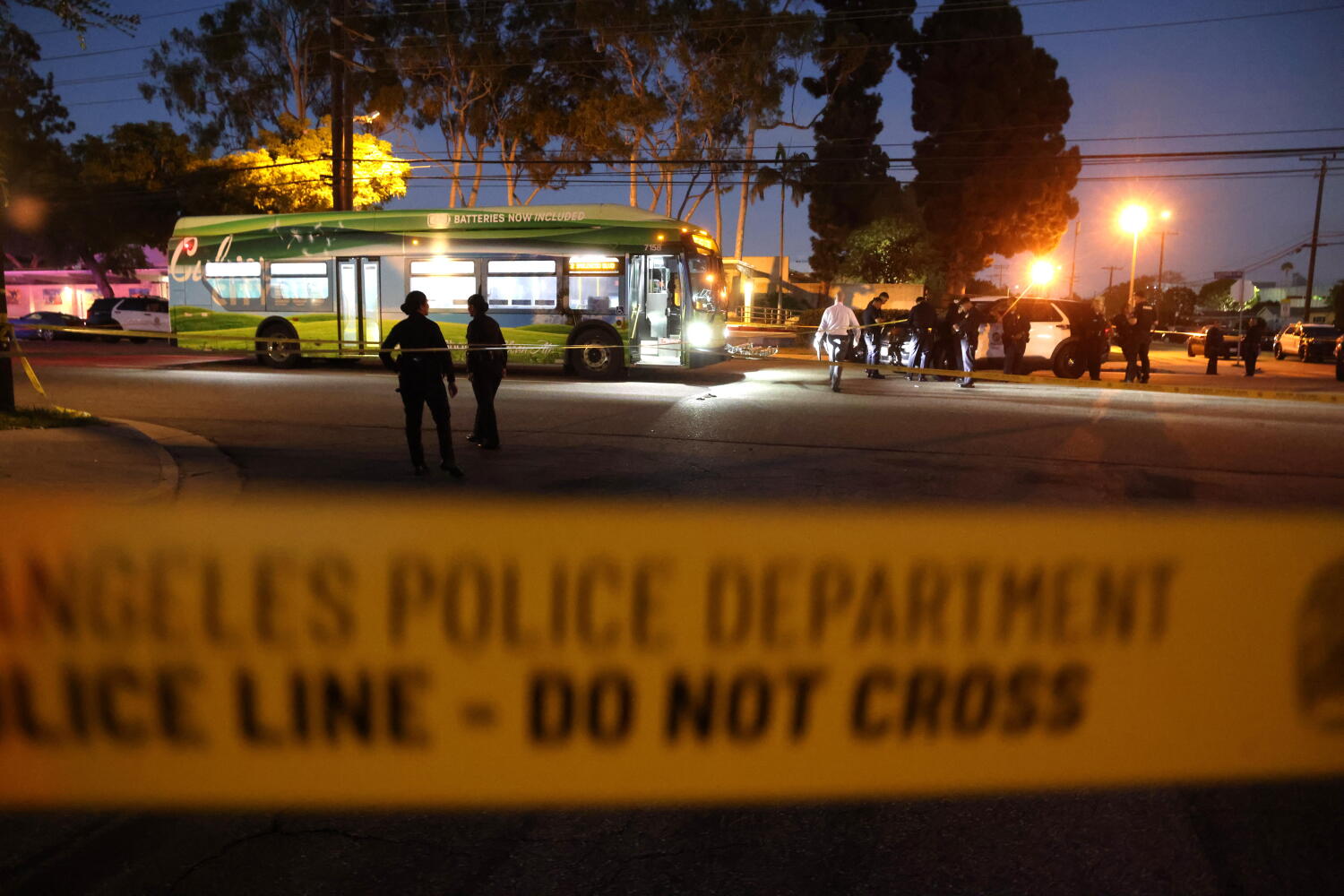
Airspace closures don't happen without a serious trigger. When an attack on a Saudi airport leaves one person dead, eight others injured, and forces incoming commercial flights to divert mid-air, the ripples hit global aviation almost instantly.
You've probably seen the breaking news alerts. A headline flashes across your phone about casualties at a regional hub and planes turning back over the Red Sea or the Persian Gulf. Most coverage stops right there, giving you the bare minimum casualty count before moving on to the next news cycle. That leaves travelers, logistics planners, and anyone watching Middle Eastern security with way more questions than answers.
Let's break down what actually goes down when a civilian terminal takes a hit, how air traffic controllers scramble to keep hundreds of passengers safe in the sky, and what this means if you're flying through the region.
The Anatomy of a Saudi Airport Attack
Civilian aviation infrastructure in Saudi Arabia—particularly southern hubs like Abha International Airport and King Abdullah bin Abdulaziz Airport in Jizan—has faced repeated cross-border aerial threats over the past decade. These aren't random incidents. They're calculated strikes targeting high-visibility, high-traffic transit points.
When a projectile or drone breaches perimeter defenses, the damage goes way beyond broken glass on the tarmac.
- Immediate casualties. Ground crew, passengers waiting near boarding gates, and security personnel bear the brunt of shrapnel and blast waves. In an incident leaving one dead and eight wounded, emergency triage happens within minutes right on the concourse floor.
- Runway and apron compromises. Even a small crater or scattered debris on a taxiway shuts down operations completely. A jet engine ingesting a single piece of twisted metal during takeoff roll can cause catastrophic failure.
- Radar and comms disruption. Strikes near control towers or navigation beacons blind local air traffic control, forcing an immediate handover to regional centers in Jeddah or Riyadh.
Honestly, it's a miracle casualty numbers in these strikes aren't higher. Modern terminal buildings use reinforced glass and blast-mitigation designs specifically because regional security threats have forced aviation authorities to rethink how airports are built.
How Mid-Air Flight Diversions Actually Work
Imagine you're a pilot cruising at 38,000 feet, forty minutes out from landing. Suddenly, your ACARS screen flashes an urgent notice from dispatch, or air traffic control comes over the radio with a sharp change in tone. The destination airport is closed. Attack in progress.
You don't just pull a U-turn.
Diverting commercial airliners is a high-stakes chess game played at 500 miles per hour. Every single aircraft in that airspace needs a new destination, and they all need it at the exact same time.
Fuel Calculations and Alternate Hubs
Before any commercial flight even pushes back from the gate, dispatchers file an alternate airport on the flight plan. If you're flying into southwestern Saudi Arabia, your primary alternates are usually King Abdulaziz International Airport in Jeddah or King Khalid International Airport in Riyadh.
When an attack shuts down the primary runway, dozens of planes suddenly pivot toward those same alternates. Air traffic controllers have to space them out rapidly to avoid saturating the skies over Jeddah or Riyadh. If an aircraft doesn't have enough reserve fuel to hold in a pattern waiting for a landing slot, the pilot declares a minimum fuel advisory—or an outright fuel emergency—to get priority clearance.
The Ground Nightmare Nobody Sees
Landing safely at a diversion airport is only half the battle. Once those diverted planes touch down in Riyadh, Dubai, or Cairo, a massive logistical logjam begins.
- Gate shortages. Major hubs already operate near peak capacity. Dumping fifteen unexpected wide-body and narrow-body jets onto the tarmac means planes sit on remote stands for hours.
- Crew duty limits. Pilots and flight attendants have strict legal limits on how many hours they can work. If a diversion pushes a crew past their regulatory timeout, that plane isn't going anywhere until a fresh crew flies in.
- Customs and visa headaches. Passengers who never intended to enter a specific country suddenly need temporary transit clearances, hotel vouchers, and rebooked connections.
Why Civilian Airports Become Targets
It sounds brutal, because it is. Targeting a civilian airport violates international humanitarian law, specifically the Geneva Conventions and the Chicago Convention on International Civil Aviation. Yet militant groups and regional actors keep doing it.
Why? Because airports are economic pressure points.
Saudi Arabia has poured billions into Vision 2030, a massive economic overhaul that relies heavily on turning the kingdom into a global aviation and tourism powerhouse. Think about the launch of Riyadh Air and the massive expansion of King Salman International Airport. Aviation isn't just about moving people; it's the backbone of their post-oil economic strategy.
Hitting an airport sends an immediate shockwave through airline boardrooms and insurance markets. War-risk insurance premiums spike overnight. Foreign carriers start questioning whether flying over certain corridors is worth the liability. Even a temporary shutdown costing a few hours of operational time translates into millions of dollars in lost revenue, delayed cargo, and reputational damage.
What Aviation Authorities and Militaries Do to Counter It
You might wonder how anything gets through when Saudi Arabia operates some of the most expensive air defense networks on the planet. The short answer is physics and economics.
Traditional surface-to-air missile systems like the Patriot battery were designed to shoot down high-altitude ballistic missiles and fast-moving fighter jets. They weren't originally built to swat down low-flying, slow-moving drones or makeshift projectiles hugging the terrain to evade radar.
The cost asymmetry is staggering. A single interceptor missile can cost upward of $3 million. A basic unmanned aerial vehicle packed with explosives might cost $20,000 to assemble. Firing a multimillion-dollar missile at a bargain-bin drone isn't sustainable over the long haul.
To close this gap, aviation security in the Gulf has shifted toward layered defense:
- Low-altitude radar arrays specifically tuned to pick up small radar cross-sections moving slowly near ground clutter.
- Electronic warfare and jamming systems installed around airport perimeters to sever the GPS or radio links guiding incoming drones.
- Hardened infrastructure, including blast walls around fuel farms and reinforced terminal facades to protect passengers waiting inside.
What You Should Do If You're Flying Through the Region
If you have a ticket booked through the Middle East, don't panic and cancel your trip. Millions of passengers transit through Gulf hubs every single week without incident. The airspace is heavily monitored, and aviation authorities err aggressively on the side of caution—which is exactly why flights get diverted the second a threat emerges.
Still, you need to be smart about how you book and prepare.
- Book directly with the airline. When an attack forces diversions and cascading cancellations, third-party booking sites become a customer service black hole. Dealing directly with the carrier gets you rebooked faster.
- Pad your layovers. A 55-minute connection might look great on paper, but regional airspace reroutes routinely add 20 to 40 minutes to flight times as pilots skirt restricted zones. Give yourself at least a three-hour buffer.
- Check your travel insurance fine print. Standard policies often exclude delays caused by "acts of war" or "civil unrest." Look for policies that explicitly cover terrorism or sudden airspace closures if you're traveling on non-refundable fares.
- Keep essentials in your carry-on. If your flight diverts to an unscheduled city, you won't see your checked luggage for days. Pack medications, chargers, and a change of clothes in the bag that stays under your seat.
Monitor live flight tracking tools like Flightradar24 before heading to the airport, sign up for SMS alerts directly from your carrier, and keep your travel documents accessible until you're officially clear of your final destination.