Calling Vladimir Putin "my friend" on Chinese soil while praising Shenzhen's spotless streets and trashing American cities isn't diplomacy. It's a one-sided concession dressed up as statesmanship.
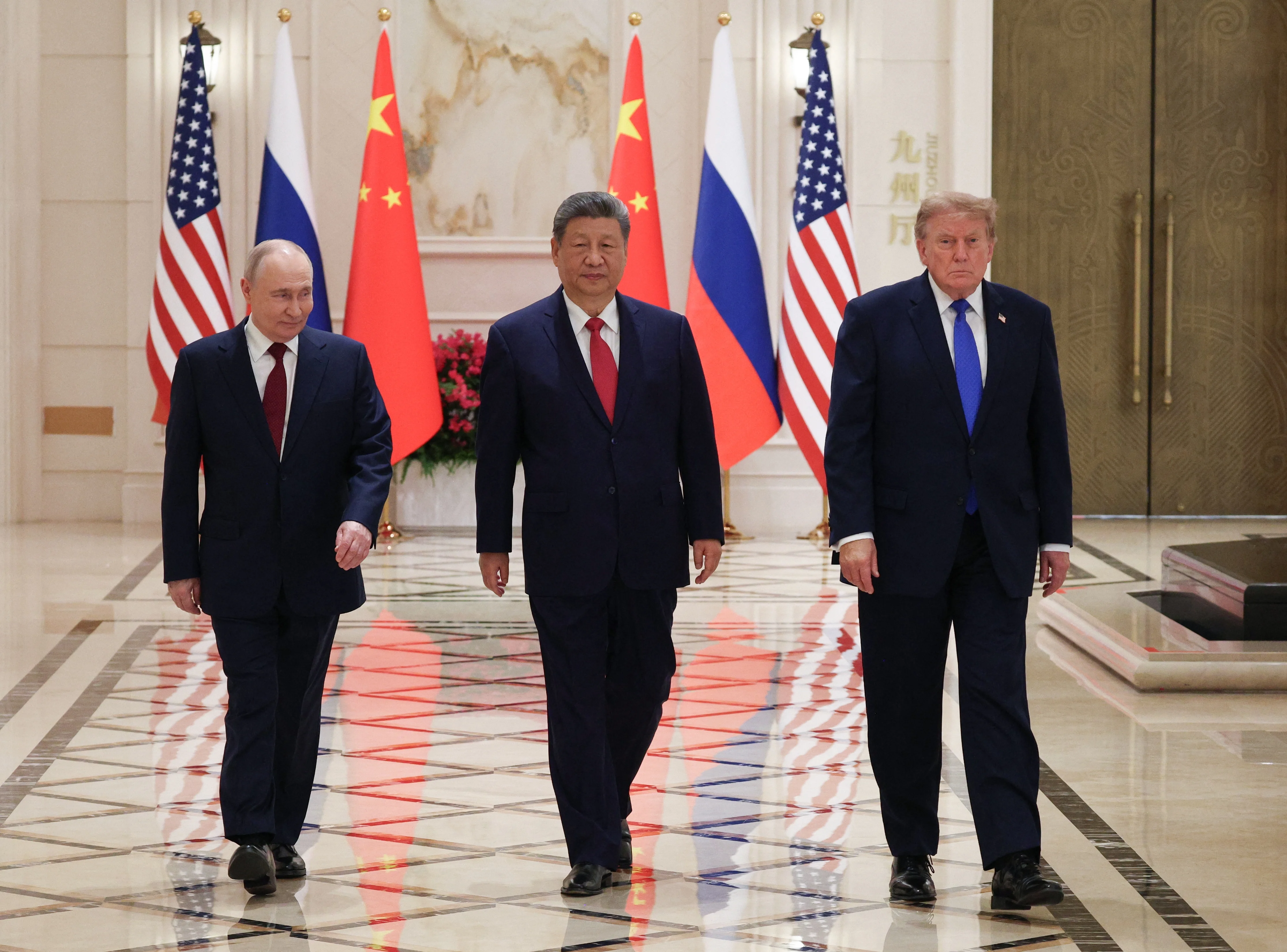
On November 19, 2026, Donald Trump sat down in Shenzhen with Chinese President Xi Jinping and Russian President Vladimir Putin on the sidelines of the 33rd Asia-Pacific Economic Cooperation (APEC) Leaders' Meeting. The 90-minute trilateral session produced a four-point document titled the "Declaration toward Peace". Trump immediately rated the gathering a "12 out of 10" and boasted that the three leaders were making history. Across Europe and Asia, allied governments didn't share his enthusiasm. They saw an American president handing geopolitical legitimacy to two authoritarian rivals while leaving democratic partners out in the cold.
Why the Shenzhen Declaration Feels Like a One-Sided Win
Read the actual text of the Shenzhen statement, and you quickly see who wrote the agenda. The four-point document sets zero concrete numbers, zero enforcement mechanisms, and zero timetables. Instead, it reads like a wish list drafted in Moscow and Beijing.
Here is what the three leaders actually agreed to put on paper:
- Reforming the United Nations: A long-standing talking point for Beijing and Moscow as they push to reshape post-World War II institutions to dilute Western influence.
- Increasing refined petroleum supplies: A direct nod to energy markets that conveniently shields Russian oil infrastructure from international scrutiny.
- Reining in the International Criminal Court: The declaration warns bodies like the ICC not to "abuse" their jurisdiction—language tailored specifically to delegitimize the war-crimes arrest warrant hanging over Putin's head.
- Preventing nuclear proliferation: A vague commitment to dialogue on reducing nuclear risks, without a single binding pledge from China to join actual arms-reduction talks.
Notice what isn't there. Ukraine doesn't appear once. Iran isn't mentioned. Taiwan is completely absent.
When you strip out the real-world conflicts driving global instability just to get a warm handshake on camera, you aren't solving problems. You're validating the exact leaders causing them. Putin walked into Shenzhen isolated by Western sanctions and indicted by an international court, and he walked out standing shoulder-to-shoulder as an equal with the leaders of the world's two largest economies. Xi hosted the entire spectacle on his home turf, framing Beijing as the indispensable broker of global order while taking pointed shots at U.S. allies like Japanese Prime Minister Sanae Takaichi.
Deference Is Not a Negotiating Strategy
There's a massive difference between talking to adversaries and deferring to them. Serious diplomacy requires leverage, clear red lines, and coordination with your allies before you ever enter the room. In Shenzhen, Trump flipped that playbook upside down.
Before the ink was even dry on the communique, Trump posted photos calling Putin "my friend" and spent airtime gushing over how clean and immaculate Shenzhen looked under Xi's leadership—contrasting China's infrastructure with what he called "dirty and disgusting" American cities. Authoritarian regimes thrive on that kind of public validation. State media in Moscow and Beijing didn't need to spin the summit; the U.S. president handed them their domestic propaganda on a silver platter.
Even members of Trump's own party balked at the optics. Republican lawmakers, including Senator John Curtis and Congressman Darin LaHood, publicly pushed back against calling Putin and Xi friends, pointing out the obvious reality that adversaries shouldn't be treated like trusted partners. Meanwhile, nine Democratic senators warned the White House against trading away American national security interests for staged photo opportunities.
You don't get concessions from hardened autocrats by flattering them in public. When you signal that their approval matters more to you than the concerns of your treaty allies, you surrender your leverage before negotiations even begin.
Why Allies in Europe and Asia Are Sounding the Alarm
If you want to understand the real cost of the Shenzhen summit, look at the reaction in Berlin, Kyiv, and Tokyo.
German Chancellor Friedrich Merz didn't mince words. Hosting European leaders in Berlin as part of the "Coalition of the Willing" on the very same day as the Shenzhen meeting, Merz dismissed the trilateral gathering as a "photo op". He warned bluntly that a "Yalta format will not bring peace to Europe"—a direct reference to the 1945 conference where major powers carved up smaller nations into spheres of influence without their consent.
That fear isn't paranoia. Just days earlier, on November 10 and 11, U.S.-mediated talks between Russia and Ukraine in Abu Dhabi had already sidelined European officials from the main negotiating table. When Putin emerged from Shenzhen claiming that the three major powers shared interests on Ukraine while accusing Kyiv and Europe of refusing to compromise, it confirmed every anxiety European capitals had been harboring.
The chill wasn't limited to Europe. In East Asia, Japanese officials and observers reacted angrily to the cold reception Prime Minister Sanae Takaichi received while Beijing used the APEC spotlight to criticize Tokyo. Across the Indo-Pacific, democratic partners rely on predictable American deterrence to counterbalance Chinese coercion. Watching Washington cozy up to Beijing and Moscow in an exclusive three-way club sends an unmistakable message to smaller nations: when the major powers sit down to cut deals, your sovereignty might end up on the bargaining table.
What Actually Matters Now
Politicians love grand declarations, but foreign policy is judged by what happens after the cameras leave. As this informal "G3" dynamic takes shape, three concrete benchmarks will reveal whether Shenzhen produced anything real or simply weakened the Western alliance for nothing.
- Watch for real nuclear talks, not press releases. Getting China into a trilateral nuclear risk-reduction dialogue would be genuinely meaningful, given that the last major U.S.-Russia arms control framework has lapsed and Beijing has historically refused to participate. Look for named negotiators, a scheduled venue, and a formal agenda over the coming weeks. Without those, the nuclear clause in Shenzhen is just empty ink.
- Track who sits at the table on Ukraine. Any peace framework negotiated over the heads of Ukrainians and Europeans will collapse on impact. Watch whether Kyiv and European governments are fully integrated into the next round of diplomatic talks, or if Washington continues sidelining them to chase a quick headline with Moscow.
- Pay close attention to the Miami G20. Trump has already extended an invitation to Putin for the G20 summit in Miami in December 2026, despite the active ICC arrest warrant and fierce objections from European allies. If Trump, Xi, and Putin stage another trilateral huddle in Florida, this won't look like a one-off diplomatic experiment anymore. It will mark a deliberate shift away from democratic alliances toward an unchecked great-power directorate.
Real peace isn't built by pretending your adversaries are your friends. It's built through deterrence, hard bargaining, and standing shoulder-to-shoulder with the allies who actually share your values. Until Washington remembers that distinction, summits like Shenzhen will keep delivering victories for Moscow and Beijing at America's expense.
Declaration Toward Peace Issued After China-Russia-U.S. Summit
This news clip captures the official announcement of the four-point declaration following the November 19 trilateral meeting in Shenzhen, providing direct context for the diplomatic optics and joint statement analyzed above.