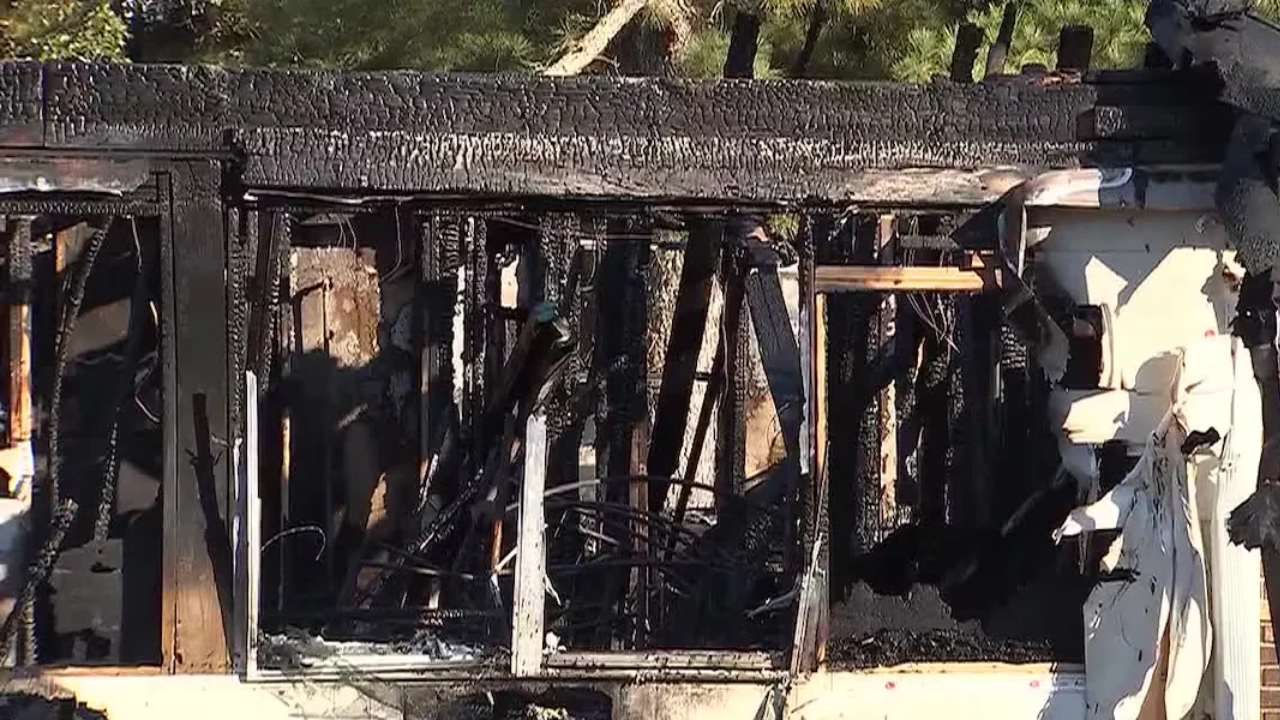
Most people call it a miracle when an Alabama driver makes a wrong turn in Georgia and ends up rescuing a sleeping family of 14 from a house fire. I call it a wake-up call about how fast residential fires turn lethal and how unprepared most households actually are.
Let's be real here. Good Samaritans get all the headlines because we love a story where fate steps in at the last possible second. And make no mistake, what that driver did was nothing short of heroic. Pulling over when you spot flames in an unfamiliar neighborhood and hammering on doors until fourteen people—including children—wake up and get out takes serious guts. Most folks would just dial 911 from their car and keep rolling down the road.
The terrifying part isn't the wrong turn. It's the fact that fourteen human beings were fast asleep inside a burning structure without a single clue that their home was filling with smoke.
If you look closely at what happens in overnight residential fires across the United States, a disturbing pattern emerges. People assume the smell of smoke will wake them up. It won't. Smoke actually puts you into a deeper sleep because carbon monoxide and hydrogen cyanide starve your brain of oxygen before you ever register danger. Without working, interconnected smoke alarms, an entire household can succumb to toxic gases long before the flames ever reach their bedrooms.
Why Wrong Turns Turn Into Lifesaving Rescues
When an Alabama driver accidentally ended up on the wrong street in Georgia and spotted a house fire, timing was everything. Residential fires today burn dramatically faster than they did forty years ago.
Back in the 1970s, you had roughly seventeen minutes to escape a house fire after a smoke alarm sounded. Today? You have less than three minutes. That isn't an exaggeration. The UL Fire Safety Research Institute has run countless full-scale burn tests comparing legacy furnishings (solid wood, cotton, wool) against modern furnishings (polyurethane foam, synthetic fabrics, engineered wood). Modern rooms reach "flashover"—the point where everything in the room spontaneously ignites simultaneously—in under four minutes.
Think about that timeline for a second.
Fourteen people inside one house. One driver taking a wrong exit or missing a turn in Georgia. If that driver had been five minutes later, or if they had stopped at a gas station for coffee, this story wouldn't be an inspiring viral headline. It would be a mass-casualty tragedy.
Bystander intervention fills a terrifying gap in emergency response. Even the best municipal fire departments in Georgia or Alabama need anywhere from five to nine minutes just to receive a dispatch, gear up, and roll trucks to a residential address. In a modern synthetic-fueled house fire, five minutes is an eternity. When a passerby stops, bangs on windows, and physically forces people awake, they buy the only currency that matters during a structure fire. Time.
The Silent Killer Nobody Checks Until It's Too Late
Whenever a story breaks about a stranger rescuing a sleeping family from a house fire, everybody focuses on the hero. We rarely ask the uncomfortable question. Why didn't the house wake them up?
According to the National Fire Protection Association (NFPA), almost three out of every five home fire deaths happen in properties with either no smoke alarms at all or smoke alarms that failed to operate. Usually, when an alarm fails, it's because someone pulled the battery out after burning toast six months ago and never put a fresh one in. Or the unit itself is fifteen years old and its sensor degraded a decade ago.
Here's what most homeowners get wrong about fire detection:
- Relying on hallway detectors alone. If you sleep with your bedroom door closed—which you absolutely should, because a closed door drops bedroom temperatures during a fire by hundreds of degrees—a single detector out in the main hallway might not be loud enough to wake heavy sleepers or children.
- Ignoring the ten-year expiration rule. Smoke alarms aren't permanent appliances. The sensors inside both ionization and photoelectric alarms lose sensitivity over time due to dust, humidity, and normal wear. Check the back of your units today. If there's no date, replace it immediately.
- Forgetting about carbon monoxide. Fires produce odorless, colorless carbon monoxide rapidly. Once it hits your bloodstream, confusion sets in fast. Even if you wake up, you might not have the cognitive clarity to unlock a deadbolt or find a window latch in pitch-black smoke.
What You Should Actually Do If You Spot a House Fire
Seeing flames pouring out of a stranger's roof triggers immediate adrenaline. Your brain freezes. You start second-guessing whether someone already called it in or if you're overreacting.
Stop overthinking it. If you ever find yourself in the shoes of that Alabama driver in Georgia, your actions in the first sixty seconds determine whether people live or die.
First, call 911 immediately. Never assume the neighbors already called. Bystander apathy kills people every single year because ten different drivers think someone else is handling it. Give the dispatcher the exact street address, cross streets, and tell them whether you see visible flames or heavy black smoke.
Second, make as much noise as humanly possible without entering the burning building. Never run inside a smoke-filled house unless you are trained and equipped for it. Firefighters carry self-contained breathing apparatus for a reason; two breaths of superheated toxic smoke will drop a grown adult to their knees. Instead, lay on your car horn continuously. Bang on front doors, side doors, and ground-floor bedroom windows with whatever heavy object you have handy—a flashlight, a tire iron, your boot. Yell "FIRE" at the top of your lungs, because human brains process that specific word faster during sleep than generic screaming.
Third, gather evacuees across the street. People who wake up to a burning house act irrationally. They try to run back inside for pets, car keys, phones, or wallets. Once you get a family out onto the lawn, physically herd them across the street so they stay clear of collapsing rooflines and incoming fire apparatus.
How to Make Sure Your Family Doesn't Need a Miracle
You cannot build your family's safety plan around hoping an out-of-state driver takes a wrong turn past your driveway at 2:00 AM. You have to engineer your own luck before anything sparks.
Start tonight by walking through your house and testing every single alarm. Don't just glance at the little green blinking light—press the physical test button until your ears ring. If you have a large home or multiple floors, upgrade to interconnected wireless alarms. When one unit in the basement or garage detects smoke, every alarm in every bedroom goes off simultaneously. That gives you the maximum possible jump on a developing fire.
Next, establish the "Close Before You Doze" habit across every bedroom in your house. The UL Fire Safety Research Institute has proven repeatedly that a standard hollow-core interior door acts as a massive thermal barrier. Rooms with closed doors stay under 100 degrees Fahrenheit during a raging hallway fire, while rooms with open doors skyrocket past 1,000 degrees—unsurvivable conditions. It takes two seconds to pull a bedroom door shut before getting into bed, and it buys trapped family members crucial minutes for firefighters to reach a window with a ladder.
Finally, walk through a two-minute escape drill with everyone living under your roof, especially kids and overnight guests. Every bedroom needs two ways out: the main door and a window that actually opens smoothly without painted-shut sashes or stuck locks. Pick a specific tree, mailbox, or neighbor's porch across the street as your permanent meeting spot so nobody wastes precious seconds wondering if someone is still trapped inside.
Go check the expiration dates on your smoke alarms right now and shut your bedroom doors tonight.