The coffee in the trading floor breakroom at Frankfurt’s Boerse was still hot when the world changed.
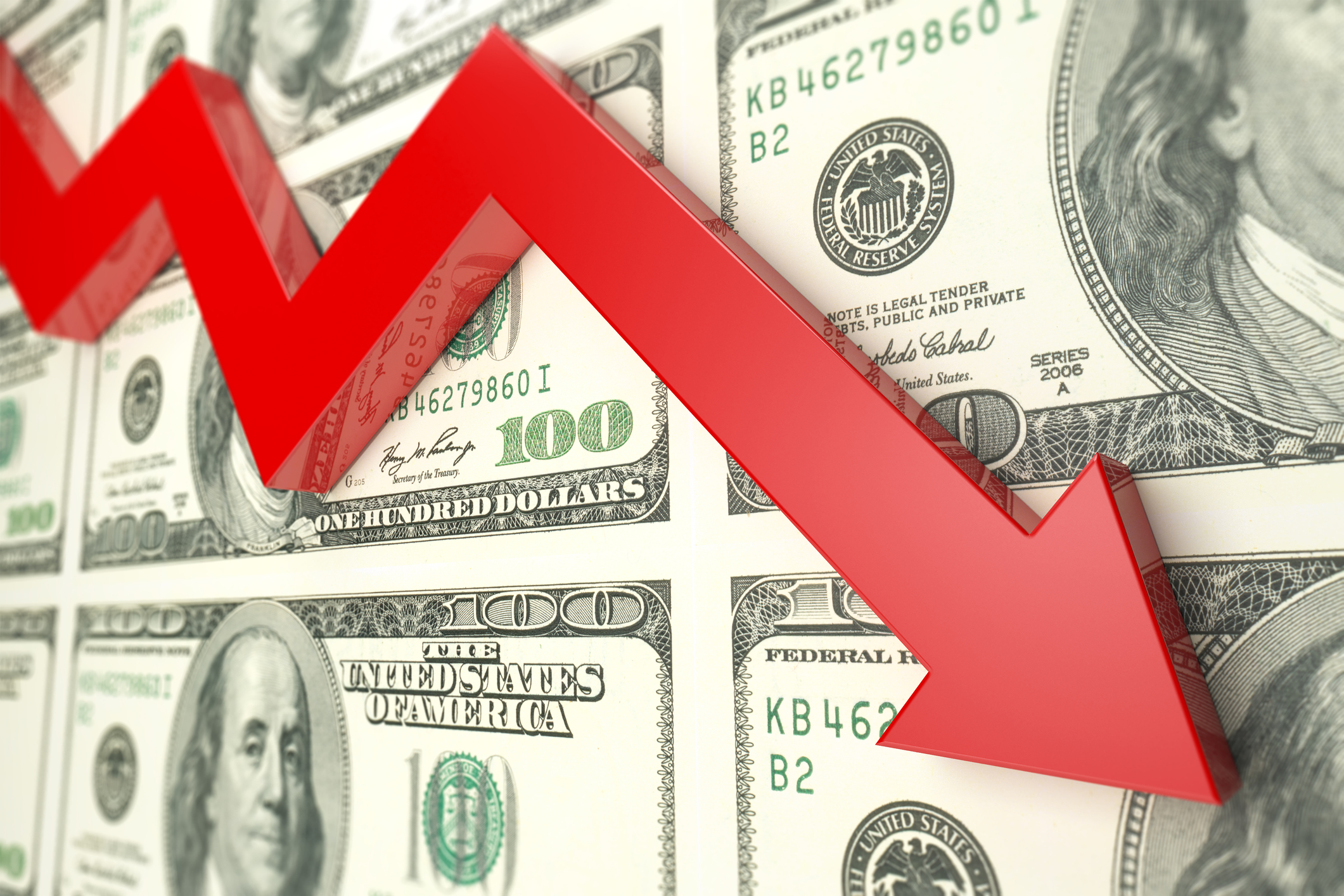
Erik, a junior analyst whose life is measured in three-minute increments and the steady hum of Bloomberg terminals, didn’t look at the geopolitics first. He looked at the color. A jagged, aggressive crimson started bleeding across his monitors. It wasn't the slow, cautious red of a bad earnings report or the twitchy pink of a missed interest rate projection. This was different. By 10:00 AM, the Euro Stoxx 50—the heartbeat of the continent’s industrial and financial giants—had hemorrhaged 3% of its value.
Think of that percentage not as a dry digit on a spreadsheet, but as a silent explosion. That 3% represents billions of euros in collective wealth, evaporated in the time it takes to walk to a lunch meeting. It is the retirement fund of a schoolteacher in Lyon. It is the expansion capital for a family-owned brewery in Munich. It is the phantom weight that makes a CEO’s chest tighten as they realize their three-year plan just turned into a survival manual.
The trigger was thousands of miles away, in the dry, dust-choked corridors of the Middle East. Conflict there has a way of traveling across borders without a passport. When the first reports of intensified hostilities hit the wires, the reaction was primal. Humans, whether they are algorithms or grandfathers managing their own portfolios, share a singular, ancient instinct when the world gets loud: they hide.
Gold went up. Oil prices twitched upward like a nervous horse. Stocks, those fragile promises of future prosperity, were discarded in the rush for safety.
The Invisible Bridge
The distance between a missile battery in the Levant and a textile factory in Milan is shorter than we like to admit. Our global economy is an intricate web of invisible threads. When a thread is cut in one corner of the world, the entire tapestry shudders.
Consider the hypothetical case of Maria. She owns a small logistics firm outside of Barcelona. She doesn’t trade derivatives. She doesn't know the difference between a put and a call. But as European stocks tumbled on Tuesday, Maria’s phone began to vibrate. Her fuel supplier, fearing a disrupted supply chain from the Persian Gulf, updated their pricing in real-time. Suddenly, the cost of moving a crate of oranges from Seville to Paris increased by 8%.
Maria is the human face of a 3% market drop. The stock market is often treated as a playground for the wealthy, a scoreboard for a game most of us don't play. But the market is actually a giant, collective guessing machine. On Tuesday, that machine guessed that the future had just become significantly more expensive and much more dangerous.
The drop was led by the sectors that build our world. Banks, the engines of credit, saw their valuations sliced. Tech firms, which rely on the steady flow of optimistic capital, slumped. Travel and leisure stocks—the companies that sell us the dream of a borderless, peaceful world—were among the hardest hit. If people are worried about the sky falling, they rarely book a flight to see it.
The Psychology of the Panic
Why 3%? Why not 1% or 10%?
Markets are not rational. They are emotional. There is a concept in behavioral economics called loss aversion. It suggests that the pain of losing a hundred euros is twice as intense as the joy of gaining them. When news of conflict intensifies, the collective psyche of the European market shifts from "How much can I win?" to "How much can I keep?"
This shift creates a feedback loop. One large institutional fund sells to protect its gains. This triggers an automated sell order in a smaller fund. The downward momentum catches the eye of a retail investor checking their phone during a commute. They panic. They sell. The red deepens.
The volatility index, often called the "fear gauge," didn't just rise; it screamed. In London, Paris, and Amsterdam, the story was the same. Traders weren't looking at the fundamental strength of the companies they owned. They weren't asking if a luxury car manufacturer in Stuttgart was still making the best engines in the world. They were asking how long the fire in the East would burn.
The Cost of Uncertainty
We can quantify the drop in points, but we struggle to quantify the cost of the "What If."
Uncertainty is the ultimate poison for an economy. A business can plan for high taxes. It can plan for a labor shortage. It can even plan for a recession. What it cannot plan for is a world where the rules of engagement change overnight.
As the Middle East conflict intensified, it wasn't just the immediate threat of disrupted oil that scared the markets. It was the realization that the era of "easy peace" is over. For decades, European markets thrived on the assumption that global trade routes would remain open, energy would remain relatively cheap, and localized conflicts would stay local.
Tuesday was a reminder that the world is much smaller than the map suggests.
The energy sector is the most obvious point of contact. Europe, still reeling from the energy shocks of the past few years, is hyper-sensitized to any threat to the flow of gas and oil. Even if the actual supply remains untouched, the fear of a disruption is enough to send prices soaring. When energy costs go up, everything else—from the bread in a bakery to the electricity in a data center—becomes a liability.
The Quiet Winners and the Loud Losers
In the wreckage of a 3% drop, there are always shadows moving in the opposite direction. Defense contractors saw their charts turn green. In a world on edge, weapons are a growth industry. This is the grim irony of the market: it finds a way to profit from the very thing that terrifies it.
But for the average European, those gains are cold comfort. The broader market's decline is a signal of a tightening world. It means higher borrowing costs for the couple trying to buy their first apartment in Lisbon. It means a freeze on hiring for the startup in Stockholm. It means a collective tightening of the belt across an entire continent.
The analysts will tell you that the market is "pricing in" the risk. It’s a clean, clinical phrase. It sounds like a math problem being solved. But "pricing in risk" is actually the sound of millions of people losing their nerve at the exact same moment.
The Weight of the News
By the time the closing bell rang, the silence on the trading floors was heavy. The frantic shouting had died down, replaced by the low murmur of people trying to make sense of a new reality.
Erik sat at his desk, the blue light of the monitor reflecting in his eyes. He wasn't thinking about the 3% anymore. He was thinking about a conversation he’d had with his father, a man who had seen markets rise and fall for forty years. His father always said that the numbers on the screen are just a mirror. If you don't like what you see, don't blame the mirror. Look at the room behind you.
The room behind us is a world where the old alliances are fraying and the old certainties are gone. The drop in European stocks wasn't an isolated event. It was a symptom. It was a nervous system reacting to a wound.
We live in a time where a headline from a desert half a world away can reach into a wallet in London and take a handful of change. It is a frightening realization, but also a profound one. It reminds us that we are, whether we like it or not, our brother's keeper. Their peace is our prosperity. Their conflict is our cost.
The markets may bounce back tomorrow. The red may turn to green, and the 3% may be clawed back by the end of the week. But the memory of that Tuesday afternoon remains. It is the memory of how quickly the floor can fall away. It is the knowledge that our comfort is built on a foundation of stability that is much thinner than we ever dared to imagine.
As the sun set over the European financial capitals, the tickers finally slowed to a crawl. The damage was done. People walked out into the evening air, checking their phones one last time, looking for a sign that the world had stopped shaking.
The silence was the most expensive thing of all.