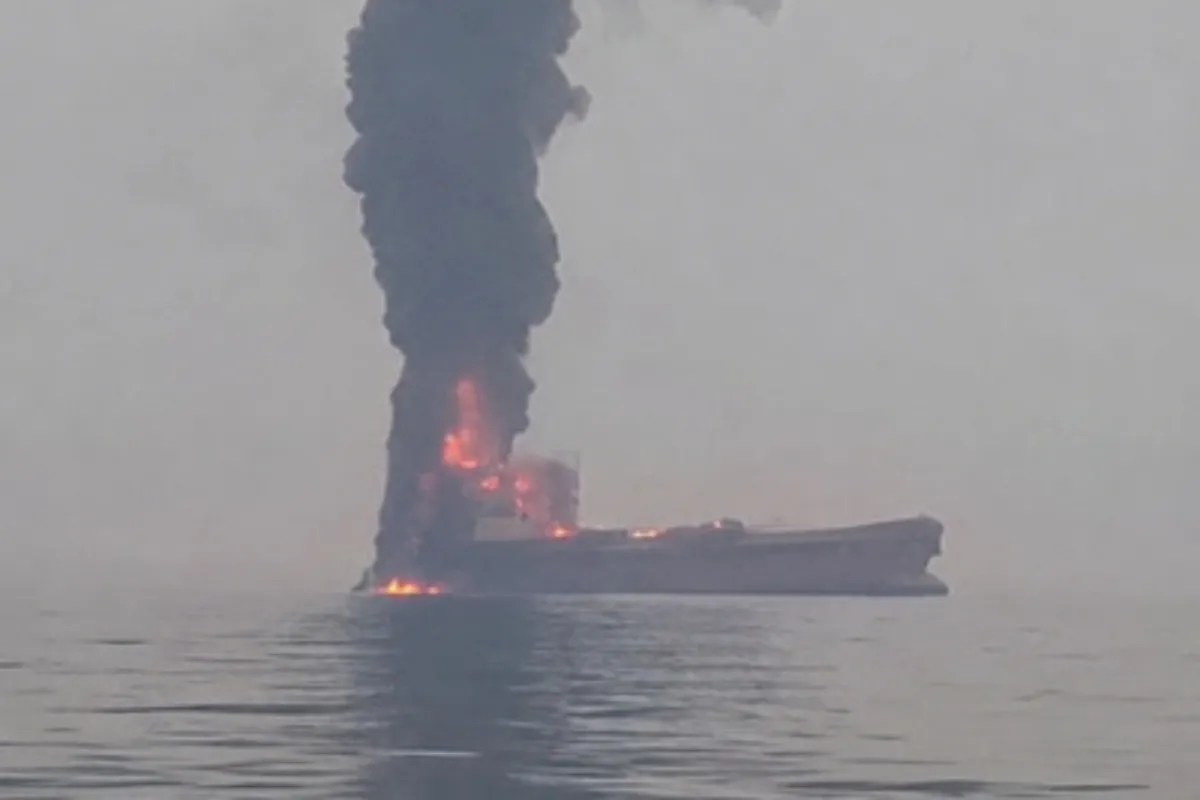
An Indian-flagged merchant vessel sailing through the volatile Red Sea corridor recently came under direct attack, triggering a frantic rescue operation that successfully saved the lives of all crew members on board. This incident is not an isolated maritime anomaly. It represents a dangerous escalation in a sustained geopolitical choke point that threatens global supply chains, international trade routes, and the safety of civilian sailors operating in hostile waters.
The attack on the vessel highlights the relentless vulnerability of commercial shipping lanes in the Gulf of Aden and the southern Red Sea. For months, regional militant groups have leveraged asymmetric warfare tactics, deploying anti-ship ballistic missiles, one-way attack drones, and explosive-laden uncrewed surface vessels against international cargo carriers. While naval coalitions from multiple nations maintain a persistent presence in the area, the sheer vastness of the maritime theater makes total deterrence an impossible mandate. Merchant ships continue to cross contested zones, weighing the immense financial cost of rerouting around the Cape of Good Hope against the physical peril of running the gauntlet. Read more on a similar subject: this related article.
Anatomy of a Maritime Strike
Understanding how these attacks unfold requires looking closely at modern naval architecture and the limitations of commercial maritime defense. Most cargo vessels and bulk carriers are designed for economic efficiency, not combat survival. They lack armor plating, active electronic countermeasures, and heavy defensive armament. When a projectile breaches the horizon, the crew has mere minutes to react.
Communication protocols snap into immediate motion. The bridge alerts regional maritime security centers, while damage control teams scramble to seal watertight compartments and mitigate fire hazards. In the recent incident involving the Indian vessel, the prompt response from regional naval assets proved decisive. Specialized intervention teams coordinated evacuations and emergency medical triage, ensuring zero casualties despite significant structural damage to the ship. Additional reporting by The Guardian explores related views on this issue.
Yet, survival relies heavily on luck and rapid external military intervention. Insurers and maritime operators now find themselves calculating risks that were previously unthinkable outside active war zones.
The Economic Toll of Detours
The ripple effects of Red Sea instability extend far beyond immediate hull damage and crew safety. When shipping companies decide to avoid the Suez Canal entirely, they abandon the primary maritime artery connecting Asia to Europe.
Rerouting around the African continent adds thousands of nautical miles to a standard voyage. This detour introduces severe operational burdens:
- Massive increases in marine fuel consumption.
- Extended transit times stretching across weeks.
- Inflated charter rates and skyrocketing container spot prices.
- Severe schedule reliability disruptions at major European and Mediterranean ports.
Every day a vessel spends bypassing the Red Sea translates to higher costs for raw materials, manufactured goods, and energy supplies. Consumers ultimately shoulder these expenses through generalized inflation on imported commodities. Global trade depends on predictability. The current reality offers only volatility.
Geopolitical Friction and Strategic Blind Spots
Major powers view the region through competing strategic lenses. Securing free navigation is a declared priority for international coalitions, yet diplomatic solutions remain gridlocked. Regional actors possess diverse motivations, ranging from localized political leverage to broader ideological alignments with conflicts in the Levant.
Naval escorts provide a measure of reassurance, but they function as a reactive shield rather than an eradication of the threat. Warships cannot escort every individual merchant ship simultaneously. Escort corridors resemble moving bottlenecks, requiring precise scheduling and continuous air defense readiness.
Furthermore, the proliferation of low-cost aerial and surface drones has democratized long-range targeting. Non-state actors can inflict billions of dollars in economic disruption using equipment assembled from commercial off-the-shelf components. Traditional defense economics fail when a multi-million-dollar interceptor missile must be expended to neutralize a device worth a fraction of that cost.
The Future of Seafaring Labor
Amid the grand strategies of naval tacticians and the balance sheets of multinational shipping conglomerates, the human element remains paramount. Seafarers from India, the Philippines, Eastern Europe, and beyond form the literal backbone of global commerce. They accept contracts knowing the calculated risks, but the psychological toll of operating in a shooting gallery is mounting.
Crew retention is dropping. Unions are demanding hazard pay increases, stricter refusal rights when entering high-risk zones, and guaranteed immediate repatriation if security conditions deteriorate. Shipping companies face a looming labor shortage if sailors decide that the wages no longer justify the hazard.
Governments and maritime authorities must bridge the gap between military deterrence and commercial safety protocols. Enhanced satellite tracking, improved real-time threat intelligence sharing, and hardened onboard emergency safe rooms are no longer optional upgrades. They are mandatory adaptations for an era where commercial shipping lines double as front-line infrastructure.
The rescue of the Indian crew averted a localized human tragedy, but the underlying structural crisis persists. Until a durable diplomatic or security framework restores baseline stability to the Red Sea, every vessel that weighs anchor for the Suez Canal sails into a persistent shadow of uncertainty.