The physical security of the United Arab Emirates (UAE) during periods of Iranian-Israeli kinetic exchange is not a byproduct of geographical distance, but a result of a deliberate, multi-vector de-escalation framework. While headlines often focus on the immediate visual of missile interceptions, the strategic reality is dictated by the Non-Interference Equilibrium. This state is maintained through a combination of integrated air defense signaling and back-channel diplomatic insulation. To understand why Dubai remains operational while regional tensions spike, one must analyze the specific mechanisms of the UAE’s "Active Neutrality" and the economic cost-functions that drive it.
The Architecture of Sovereign Insulation
The UAE operates under a dual-track security logic. First, it maintains membership in the Abraham Accords, which provides a technological and intelligence link to Israeli and Western defense systems. Second, it sustains a high-volume trade relationship and diplomatic "hotline" with Tehran. This creates a buffer where the UAE is too integrated into the global economy to be an attractive target, and too diplomatically useful to both sides to be sacrificed as a proxy battlefield.
The primary mechanism of this insulation is the Sectoral Decoupling of conflict. By ensuring that regional military maneuvers do not bleed into the logistical hubs of Jebel Ali or the financial corridors of the DIFC, the UAE preserves its status as a safe-haven asset. This is not merely a matter of PR; it is a structural necessity for a nation where 90% of the population consists of foreign nationals and the economy is predicated on the uninterrupted flow of global capital.
The Triad of UAE Resilience
The current stability in Dubai and Abu Dhabi rests on three specific pillars of containment:
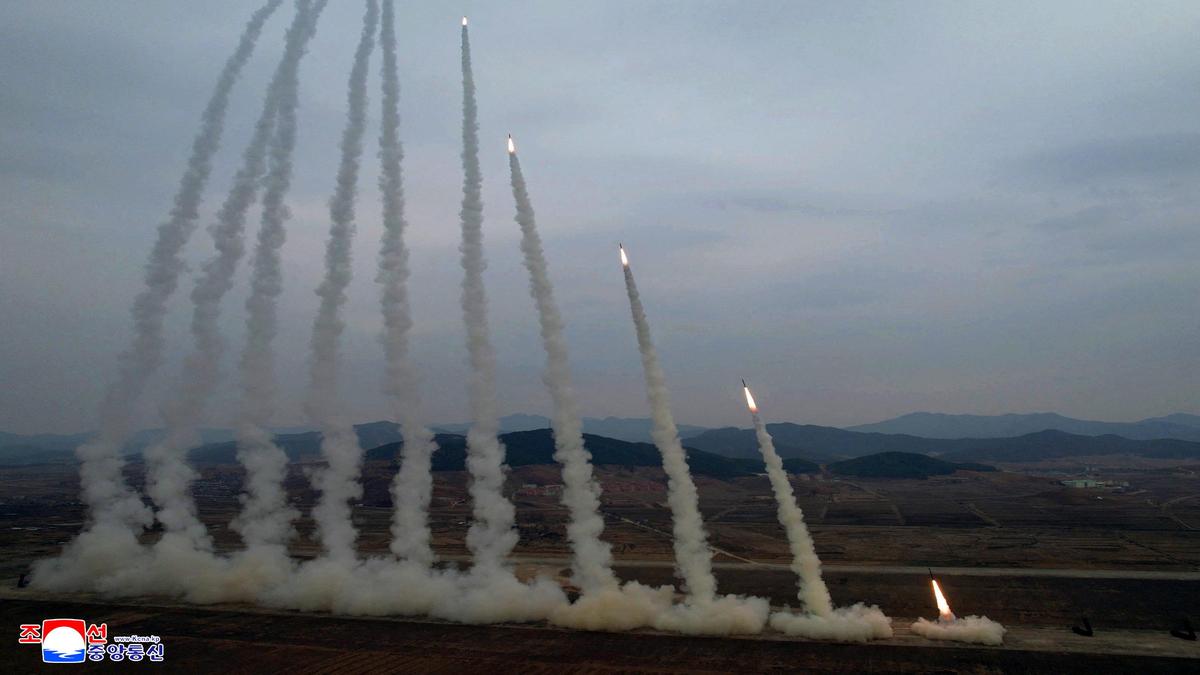
- Kinetic Mitigation via Tiered Defense: The UAE utilizes a sophisticated, multi-layered Integrated Air and Missile Defense (IAMD) system. This includes the THAAD (Terminal High Altitude Area Defense) for high-altitude ballistic threats and Patriot PAC-3 clusters for lower-level interceptions. By maintaining a high-readiness posture without aggressive posturing, the UAE signals a "defensive-only" intent that reduces the risk of being viewed as a primary combatant.
- Economic Interdependence as a Deterrent: Iran remains a significant trading partner for the UAE. The re-export market through Dubai serves as a critical lifeline for the Iranian private sector. Any direct kinetic strike on UAE soil would result in a self-inflicted economic wound for Tehran, effectively creating a "mutually assured economic destruction" pact.
- Diplomatic De-confliction Channels: Unlike states that have severed ties with Tehran, the UAE maintains an active ambassadorial presence. During the recent escalation, these channels served as high-bandwidth conduits for "red-line" definitions, ensuring that neither Iran nor its regional proxies miscalculated UAE intent.
The Cost Function of Regional Instability
Every hour of airspace closure or maritime rerouting imposes a quantifiable tax on the regional economy. For the UAE, the cost function of a regional war is exponential rather than linear.
- Logistics Latency: Rerouting shipping around the Strait of Hormuz increases fuel costs and insurance premiums. If the UAE cannot guarantee "Safe Port" status, the premium for Jebel Ali could rise by 15-25% within a 48-hour window.
- Capital Flight Risk: The UAE’s real estate and financial sectors rely on the perception of "Absolute Stability." A single localized impact could trigger a liquidity drain as institutional investors shift capital to more distant markets like Singapore or Zurich.
- Hydrocarbon Export Volatility: While high oil prices generally benefit the state treasury, the physical risk to the Khalifa Port and Fujairah bunkering hubs threatens the reliability of the supply chain, potentially leading to long-term contract cancellations in favor of Atlantic Basin suppliers.
The Logic of UAE De-escalation Efforts
The UAE’s push to contain the fallout is not an act of mediation for the sake of peace, but a tactical preservation of the Global Hub Model. The Emirati leadership recognizes that in a protracted Iran-Israel conflict, the "Middle Ground" becomes increasingly narrow.
The strategy involves a Proportional Response Filter. When the UAE observes a regional escalation, it shifts its rhetoric from bilateral support to regional stability. This shift is designed to signal to the international community—and specifically to global markets—that the state is a "non-combatant logistics provider" rather than a "frontline military state."
This logic explains the UAE’s specific messaging during the recent Iranian onslaught. By emphasizing that "Dubai is safe," the government is attempting to preemptively manage the Risk Perception Gap. This is the delta between the actual kinetic threat (which is low due to IAMD) and the perceived threat by international travelers and investors (which is high due to proximity).
Structural Bottlenecks in the Neutrality Strategy
Despite its effectiveness, the UAE’s strategy faces significant structural constraints. The primary bottleneck is the Integration Paradox: as the UAE integrates more deeply with Western defense architectures to protect against Iranian-backed proxies, it risks eroding the "Neutrality Buffer" that keeps Tehran from targeting its infrastructure.
The second limitation is the Proxy Variable. While direct state-on-state conflict between Iran and the UAE is unlikely due to the economic factors mentioned, the UAE remains vulnerable to "gray zone" activities from non-state actors. These actors do not always adhere to the same cost-benefit logic as the central government in Tehran.
The third constraint is the Maritime Chokepoint. The UAE is geographically tethered to the Strait of Hormuz. No amount of diplomatic maneuvering can change the fact that a significant portion of its trade must pass through a 21-mile-wide waterway that is susceptible to Iranian naval interdiction.
Quantifying the Strategic Advantage of Safety
The UAE’s insistence on its safety is a calculated move to capture "Displaced Demand." When other regional hubs become unstable, the UAE positions itself to absorb the diverted traffic. This was evident during the regional upheavals of the last decade, where Dubai consistently grew its share of regional headquarters (RHQs) and tourism at the expense of less stable neighbors.
In the context of an Iran-Israel exchange, the UAE’s value proposition is its Predictability. The "Dubai is safe" narrative is a commitment to maintaining a business-as-usual environment regardless of external geopolitical volatility. This commitment is backed by the sovereign wealth funds and the political will to subsidize safety if necessary.
The Operational Playbook for Institutional Investors
For entities operating within the UAE during this period, the strategic priority is Operational Redundancy. While the state provides the security umbrella, firms must manage their own risk-exposure profiles.
- Diversification of Logistical Entry Points: Utilizing the Port of Fujairah, which lies outside the Strait of Hormuz, as a primary contingency for high-value cargo.
- Digital Infrastructure Localization: Ensuring that critical data and financial operations are mirrored in cloud regions that are not solely dependent on local terrestrial links.
- Geopolitical Hedging: Maintaining a portfolio of assets that are inversely correlated to Middle Eastern regional risk, such as US Treasuries or Gold, to offset potential short-term volatility in UAE-based equities.
The UAE is currently executing a high-stakes balancing act that prioritizes the preservation of the Capitalist Oasis. By leveraging its advanced defense systems to provide a physical shield and its diplomatic leverage to provide a political one, the state is effectively betting that its economic utility to all parties will outweigh its strategic value as a target. The success of this bet depends entirely on the UAE’s ability to remain "Essential but Uninvolved."
The final strategic move for the UAE is the expansion of the Oman Corridor. By accelerating infrastructure that links the UAE directly to the Arabian Sea via Omani territory, the state will eventually bypass the Hormuz bottleneck entirely. This physical decoupling from the primary theater of maritime conflict is the ultimate evolution of the UAE’s neutrality protocol, turning a geographic vulnerability into a logistical redundancy that no regional kinetic event can easily disrupt.