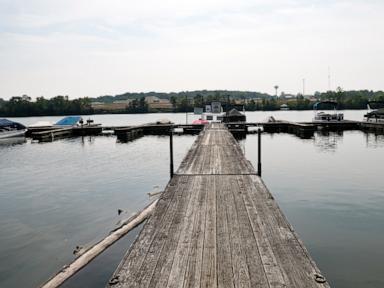
A quiet Sunday evening along the Scioto River in Powell, Ohio turned into an unspeakable tragedy when five adults drowned while attempting to rescue a single struggling swimmer.
The incident unfolded on July 19, 2026, near Riverside Drive, just north of Columbus. A family group had gathered along the riverbank for an evening of relaxation and fishing. When one person entered the water for a swim and began flailing in the current, instincts kicked in. One by one, bystanders jumped in to help.
None of them made it back out alive.
A passing motorist dialed 911 around 9 p.m. after spotting a terrified child running along State Route 257 looking for help. Emergency crews responded to find two young children under age 10 stranded on the shore. First responders pulled two women from the water Sunday night, but doctors pronounced them dead shortly after arriving at a local hospital. On Monday, recovery teams located the bodies of three men in the river.
It's a haunting reminder of how fast moving water transforms good intentions into fatalities.
How the Scioto River Tragedy Unfolded
When someone you care about is drowning, jumping in feels like the only option. Human instinct demands action. But in moving water, that reaction frequently triggers what water safety specialists call a multiple-drowning incident.
Data from a U.S. Geological Survey gauge at the nearby O'Shaughnessy Reservoir dam highlights how deceptive river conditions were that evening. High runoff had pushed the water flow to roughly 350 cubic feet per second. That flow rate was more than double the normal seasonal average and a fourfold spike over just three days.
The water was high. The current was moving fast.
Delaware County Sheriff Jeffrey Balzer noted during a news briefing that the group was simply out to enjoy a summer evening. When the first person began struggling, others rushed into the current without flotation gear.
Language barriers initially complicated efforts for responding deputies to piece together what happened from the two surviving children on shore. Both kids are now in the care of Delaware County Job and Family Services while authorities notify next of kin.
The Instinct That Triggers Chain-Reaction Drownings
Most people don't realize how violent a drowning person's fight for survival actually is. It isn't like the movies. There's usually no yelling for help or waving arms. A drowning swimmer is consumed entirely by involuntary reflex.
When a panicking person feels someone reach them, their immediate reaction is to climb that person like a ladder to get their mouth above the waterline. They will push you down to push themselves up.
Unless you're trained in aquatic rescue, an active victim will submerge you in seconds.
Combine that panicked physical struggle with a river current running at 350 cubic feet per second, and even strong swimmers lose control almost immediately. That's why one person in distress so often leads to multiple casualties in open water.
Critical River Safety Rules to Remember
If you see someone struggling in open water, instinct tells you to dive in. Emergency responders urge you to stop and use a different tactic.
- Reach or throw, don't go. Extend a branch, a towel, a cooler lid, or an oar. Throw anything that floats—a life jacket, an empty plastic jug, or a ring buoy. Never enter the water yourself unless you have a flotation device and physical training.
- Wear personal flotation devices. Sheriff Balzer emphasized that life jackets aren't just for children. Adults often skip them out of overconfidence, but sudden currents don't care about your swimming background.
- Check flow rates before heading out. River conditions shift rapidly after rain. Check local USGS water gauge reports before fishing or wading near riverbanks. High flow rates create dangerous undertows and hidden hydraulics beneath calm surface water.
- Assign a land watcher. Always keep at least one adult on shore with a charged phone and clear knowledge of your precise location. If an emergency occurs, that person can call 911 immediately without leaving young children unattended.
Staying safe around moving water requires recognizing that strong currents outweigh raw bravery every time. Keep throwable flotation gear handy whenever you gather near open water, and call emergency services the moment someone steps into trouble.