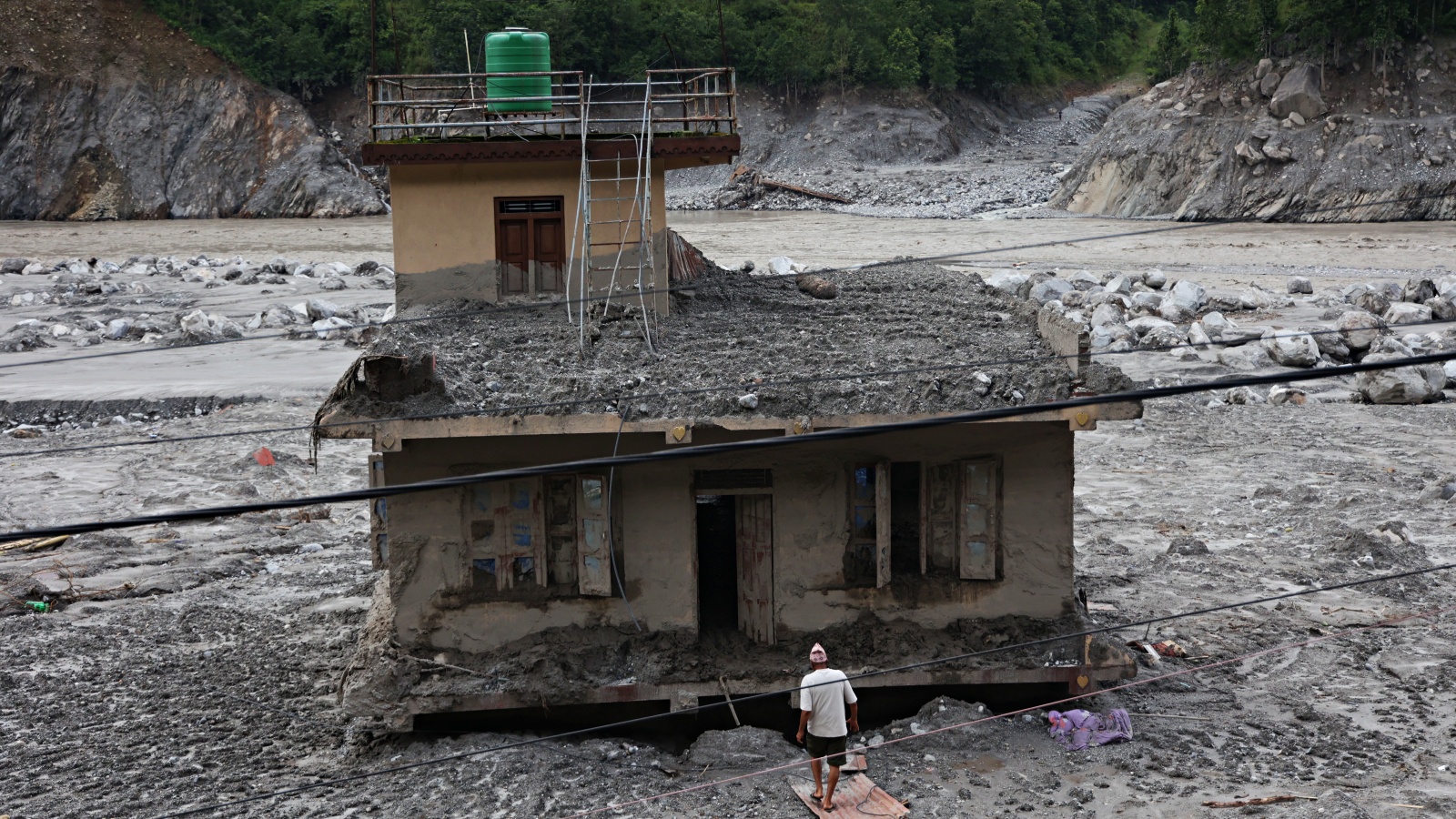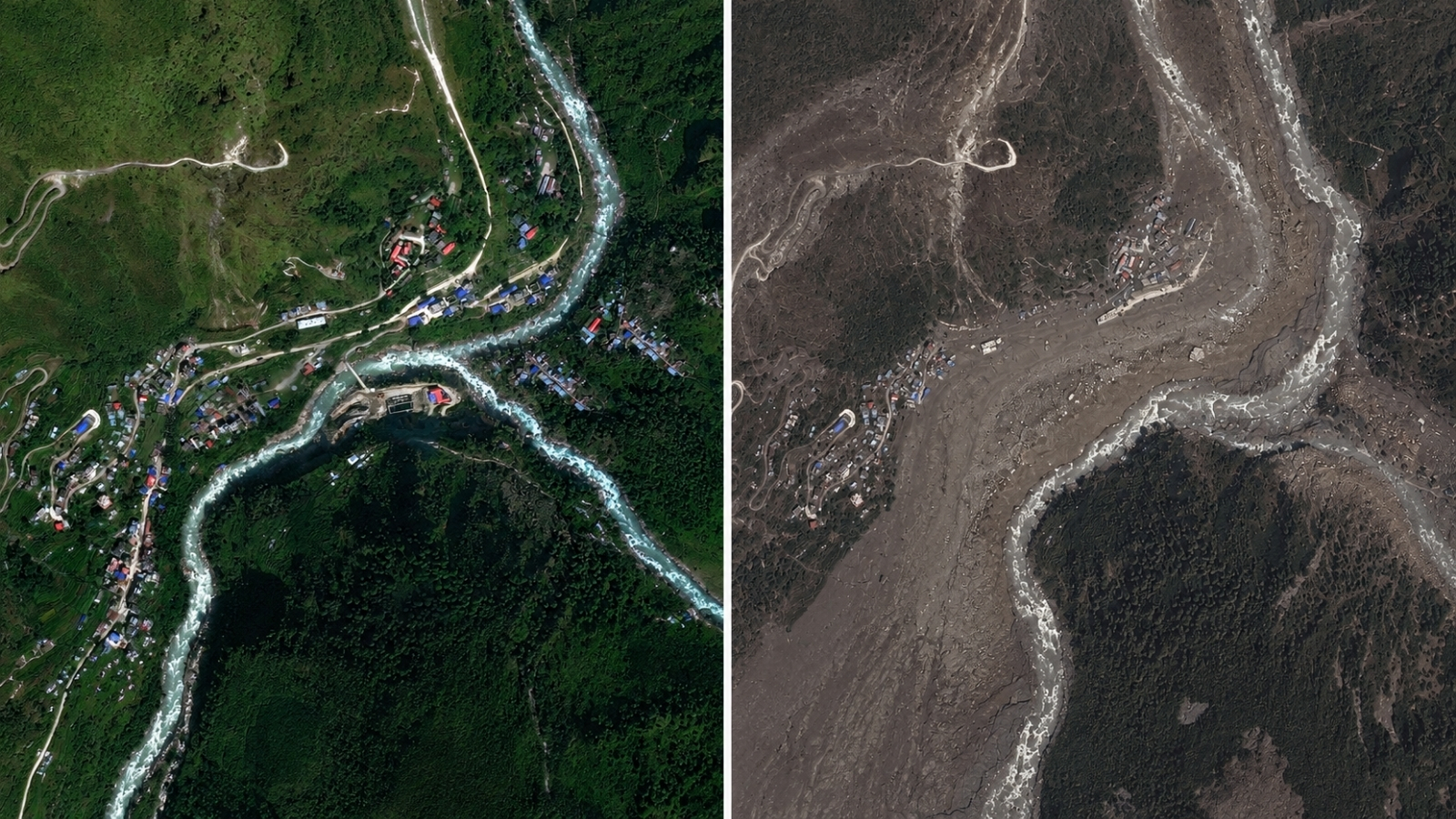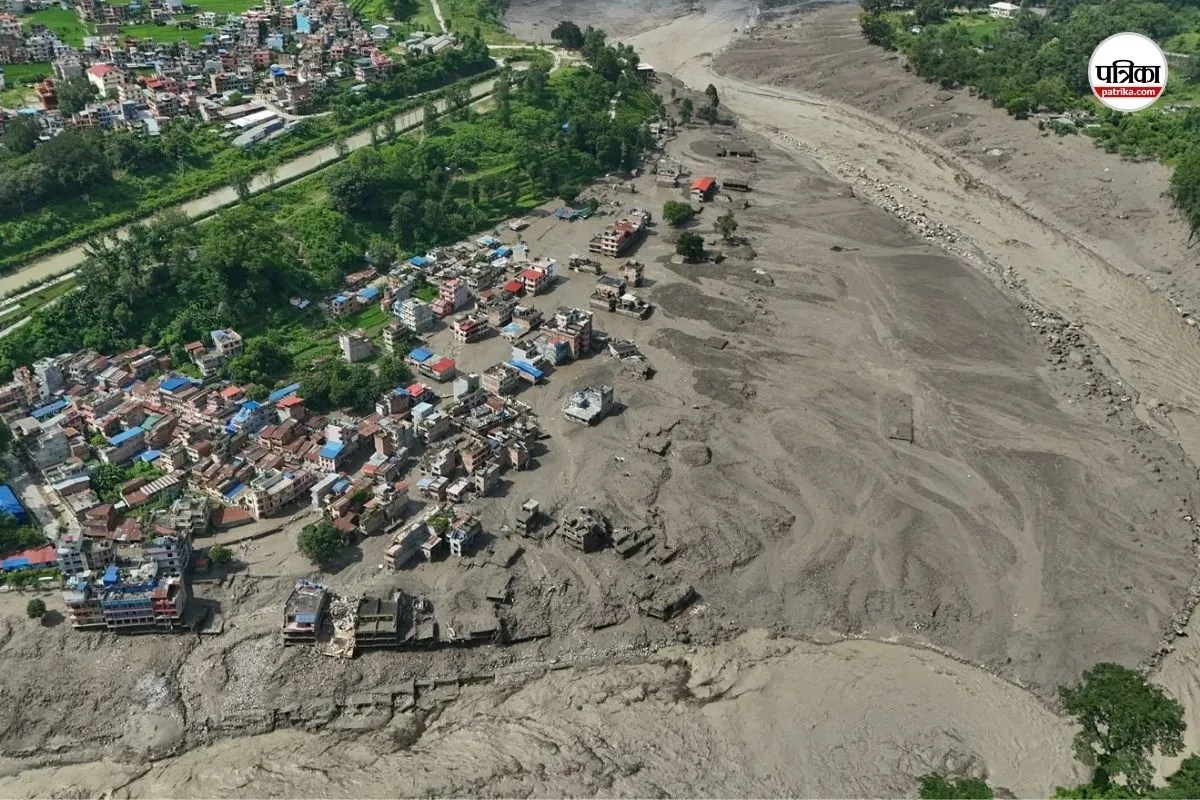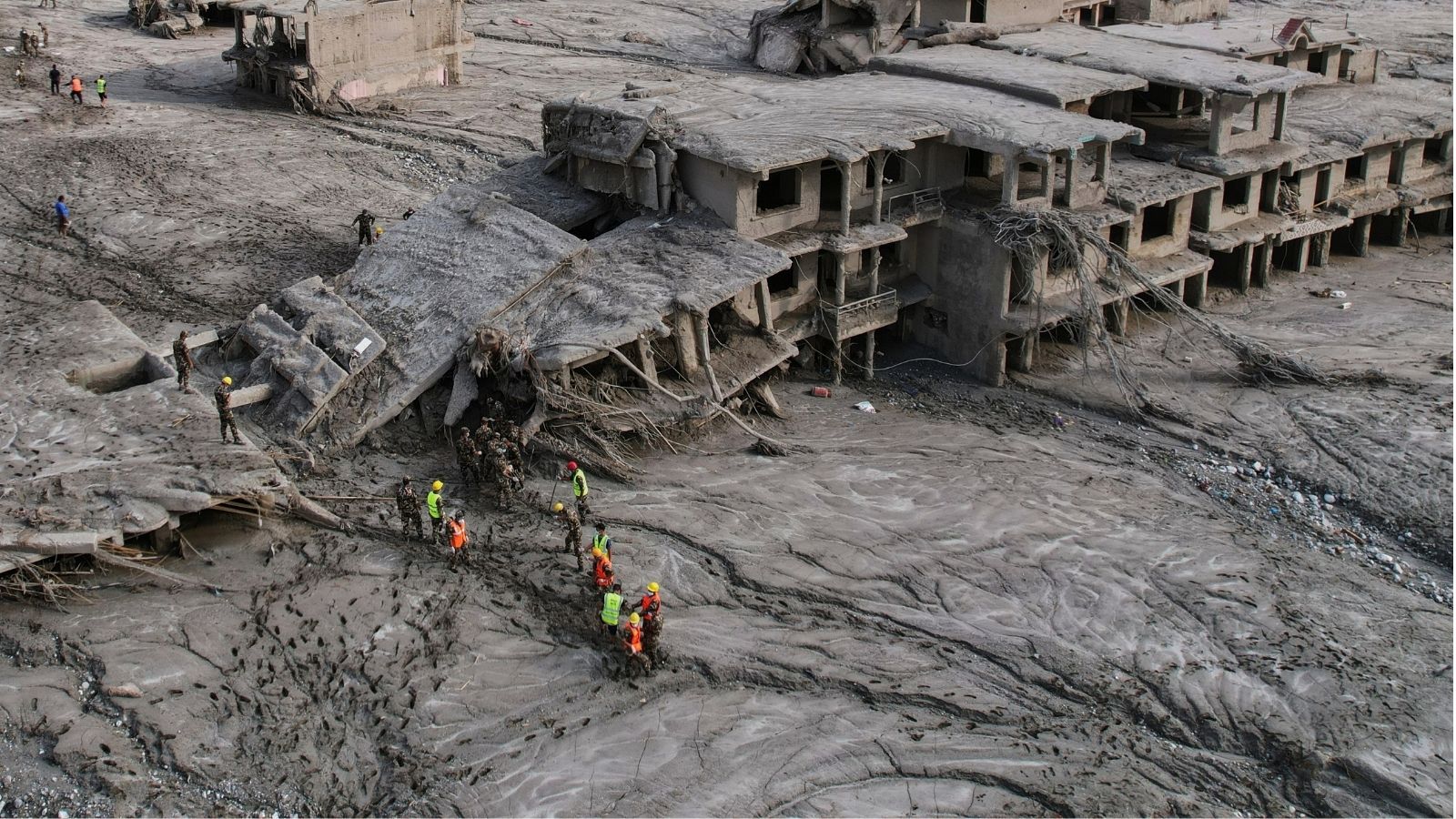
The monsoon does not arrive with a warning siren. It arrives as a smell—first wet dust, then crushed vegetation, and finally the sharp, metallic tang of iron washing off the high Himalayan slate. For generations, the people of the river valleys knew the rhythm. They built their homes on stone foundations, planted their terraces just above the flood line, and watched the grey clouds swell against the Annapurna wall with a mixture of reverence and weary familiarity. Water is life, after all. Until it is everything else.
Consider what happens when the sky simply refuses to stop opening.
Rainfall in the mountains is not measured in inches; it is measured in weight. It presses down on the soil until the hillsides lose their friction. Gravity does the rest. When the slopes gave way last autumn, they did not slide quietly. They roared. Whole communities were erased in the time it takes to boil a pot of tea.
The numbers came later, cold and sterile on glowing screens halfway across the world. At least six hundred and eighty-two lives extinguished. Nearly three thousand souls vanished into the churning, coffee-colored silt, leaving behind empty doorways and shoes sitting neatly on porches that no longer had floors. Six hundred and eighty-two. Say the number aloud. It sounds like a statistic until you realize every single digit represents a kitchen table that will never be set again, a laugh heard only in memory, a pair of hands that finished their last harvest without knowing it.
To understand the scale of this disaster, you have to look away from the aggregates and look at a single doorway in a village like Helambu. (To ground this reality, picture a hypothetical home—let us call him Ram Bahadur’s house—built of mud-mortar brick and blue corrugated tin). Ram heard the mountain groan before he saw the water. It is a deep, subterranean shifting, the sound of the earth grinding its own bones. He had maybe twenty seconds. Twenty seconds to decide what mattered: his grandfather's silver coin, the bag of seed rice for the spring planting, or the hands of his grandchildren.
He grabbed the children. He ran uphill.
When he looked back five minutes later, the house was gone. The place where his family had brewed tea for sixty years was now just a brown rapid carrying plastic buckets, roof sheets, and the broken trunks of pine trees toward the plains of India.
That is the hidden cost of a flash flood. It is not just the destruction of property; it is the annihilation of context. When a river alters its course by fifty meters in the dead of night, property deeds become worthless scraps of paper. Boundaries vanish. History is washed downstream.
The geography of Nepal makes it uniquely vulnerable to this cruelty. The country is essentially a steep staircase dropping from the roof of the world down to the Gangetic plain. Hundreds of snow-fed rivers rush through narrow gorges, gathering momentum, turning into liquid batter during intense monsoon spikes. Climate disruption has not invented these floods, but it has turned the volume knob all the way up. The atmosphere holds more moisture now. The storms are fatter, angrier, and linger longer over fragile slopes that have been stripped of trees for firewood and road construction.
We are terrible at visualizing numbers in the thousands. Our brains are wired for small tribes, for the faces we can see across a fire. When headlines flash across our feeds about three thousand missing people, our emotional circuit breakers trip. We blink, scroll past, and check the weather in our own zip codes.
Stop scrolling.
Imagine waking up to find that the bridge connecting your village to the hospital, the school, and the market has snapped like a dry twig. Imagine the silence that follows the roar of the water—a heavy, suffocating silence broken only by the frantic shoveling of neighbors looking for shoes in the mud.
Rescue operations in these topographies are exercises in heartbreaking frustration. Helicopters can only fly when the clouds lift, and the clouds refuse to lift when the rain is still falling. Roads are blocked by landslides that stretch for miles. Every switchback on the mountain highway is a puzzle of fallen boulders and sheared asphalt. Soldiers and volunteers wade into waist-deep torrents with ropes tied around their waists, searching for movement in the brown churn, knowing that the window for finding survivors closes within hours, not days.
Yet, amid the devastation, something stubborn persists.
Human beings are stubbornly, absurdly hopeful creatures. Within twenty-four hours of the worst cresting, old men sitting under tattered blue tarps are already sharing cigarettes and discussing how to rebuild the irrigation canals. They do not talk about the macro-economics of disaster relief or global carbon targets. They talk about gravity, about where the new channel of the river might settle once the monsoon burns itself out, and about planting the winter wheat in whatever patch of silt remains fertile.
The water will eventually recede. The sun will bake the mud into a hard, ceramic crust. The tourists will return to the trekking trails, marveling once again at the indifferent majesty of the snow peaks piercing the blue.
But the scars will remain long after the headlines fade from the homepage. They are written into the altered curves of the riverbanks, carved into the memories of children who now flinch at the sound of heavy rain hitting a tin roof, and carried in the quiet, enduring grief of those who still walk down to the water's edge, searching for someone who never came home.