The desert does not care about schedules. It does not negotiate with the weight of human urgency, nor does it pause when a mother packs a second sweater for her daughter because the mountain air turns sharp after dark. To the high plateaus of the Sinai Peninsula, steel, rubber, and the fragile architecture of the human body are all treated with the same indifferent wind.
Dawn arrives differently there. It does not creep; it strikes. One moment the landscape is a bruise of deep indigo, swallowed by silent granite peaks, and the next, the sun is a white-hot hammer beating down on the asphalt.
Consider a hypothetical traveler named Youssef. He is thirty-two, an accountant from Cairo who smells faintly of cardamom and old paper. He has spent three days in the city attending to bureaucratic paperwork that required seven different stamps from eight different men behind scratched glass counters. Now, his knees are wedged against the seatback of a passenger bus hurtling east. He is not thinking about the physics of friction or the tensile strength of asphalt. He is thinking about his wife’s text message asking if he remembered to buy the sweet pastries from the shop near the station. He is nodding off, his head bobbing against the cool, vibrating glass of the window, lulled by the low, relentless drone of the diesel engine.
He does not hear the screech.
He only feels the sudden, violent pivot of the universe. The vehicle, carrying souls stitched together by coincidence and cheap tickets, stops being a machine and becomes a projectile.
Sixteen people died in that abrupt collision on the Sinai highway. Dozens more woke up to the screech of rending metal, the choking taste of pulverized gypsum dust, and the agonizing realization that the ordinary world had vanished in less than a second.
We read these numbers over morning coffee. Sixteen dead. Dozens hurt. The statistics arrive flat, sanitized by news tickers and distance, reduced to ink on a screen or pixels glowing in the palm of a hand. We process the headline for three seconds and then scroll down to the weather or the sports scores, insulating ourselves from the raw gravity of the impact.
Numbers are a mercy. They protect us from feeling the weight.
If you have ever traveled that stretch of road, you know the illusion it projects. The highways slicing through the Sinai are wide, seemingly endless ribbons of black tar cutting through an ancient wasteland. They invite speed. They whisper promises of empty horizons where a driver can press the pedal a little harder, shaving minutes off a grueling six-hour transit. But emptiness is a trap. It breeds a dangerous complacency. When there are no trees, no houses, no shifting scenery for miles, the brain stops registering velocity. Fifty miles per hour feels like crawling; eighty feels normal; one hundred feels like floating.
Fatigue joins the ride as an invisible passenger. Drivers working twelve-hour shifts under an unrelenting sun watch the white lines blur into a single, hypnotic vein. Reflexes dull. Eyelids grow heavy. And then, the margin for error—which was already razor-thin—disappears entirely.
This is not merely a story about a broken bus or the failings of a single driver. It is about the quiet vulnerability of moving through a landscape that dwarfs us. It is about the terrible speed at which an ordinary Tuesday transforms into a national grief.
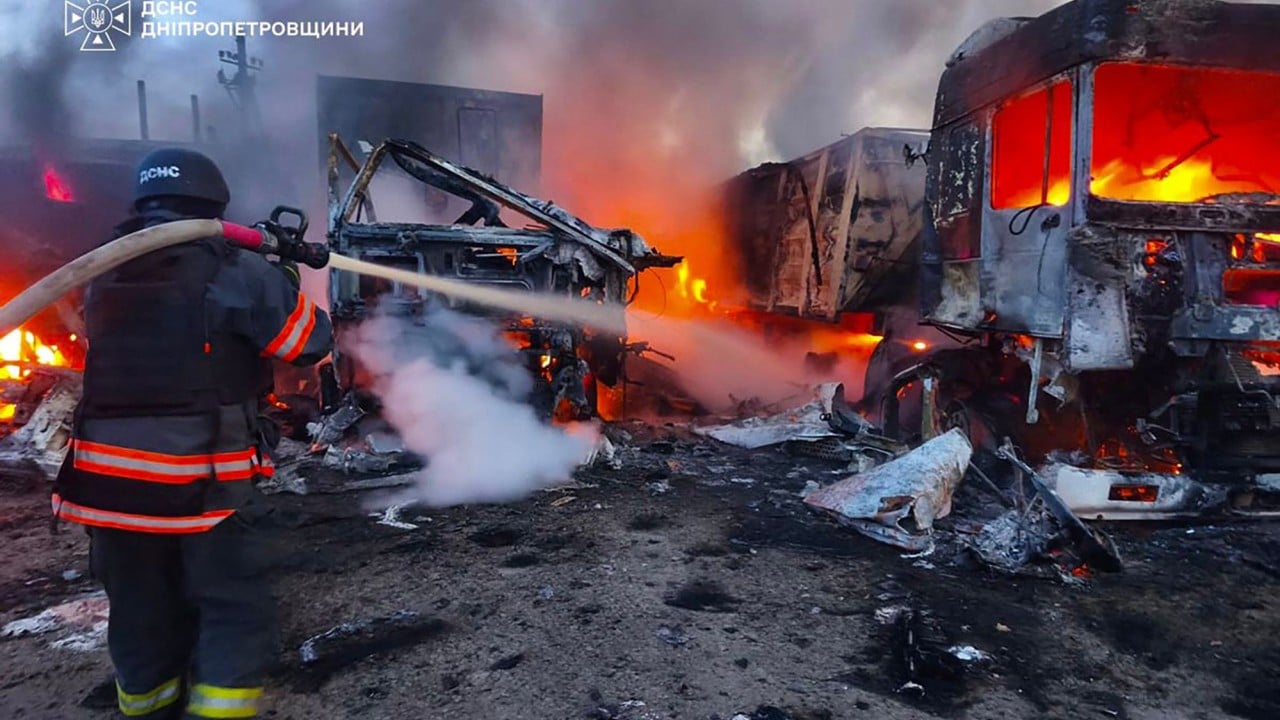
Ambulances raced through the blinding glare, their sirens screaming into the vast, empty canyons. Rescue workers, sweating through their uniforms, pulled twisted frames apart with hydraulic cutters, searching for heartbeats beneath the wreckage. Hospitals in nearby towns flooded with frantic relatives, their phones clutched like lifelines, demanding answers from exhausted nurses who had nothing left to give.
The pastries Youssef bought for his family stayed in a crinkled brown paper bag on the floorboard, untouched, waiting for a journey that never reached its destination.
When the dust finally settles and the wreckage is dragged away by flatbed trucks, the desert reclaims its silence. The wind sweeps across the asphalt, erasing the skid marks, wiping away the glass, restoring the terrifying purity of the horizon. But back in Cairo, in small apartments with drawn curtains, the silence has a different weight now. It is heavy, jagged, and impossible to ignore.