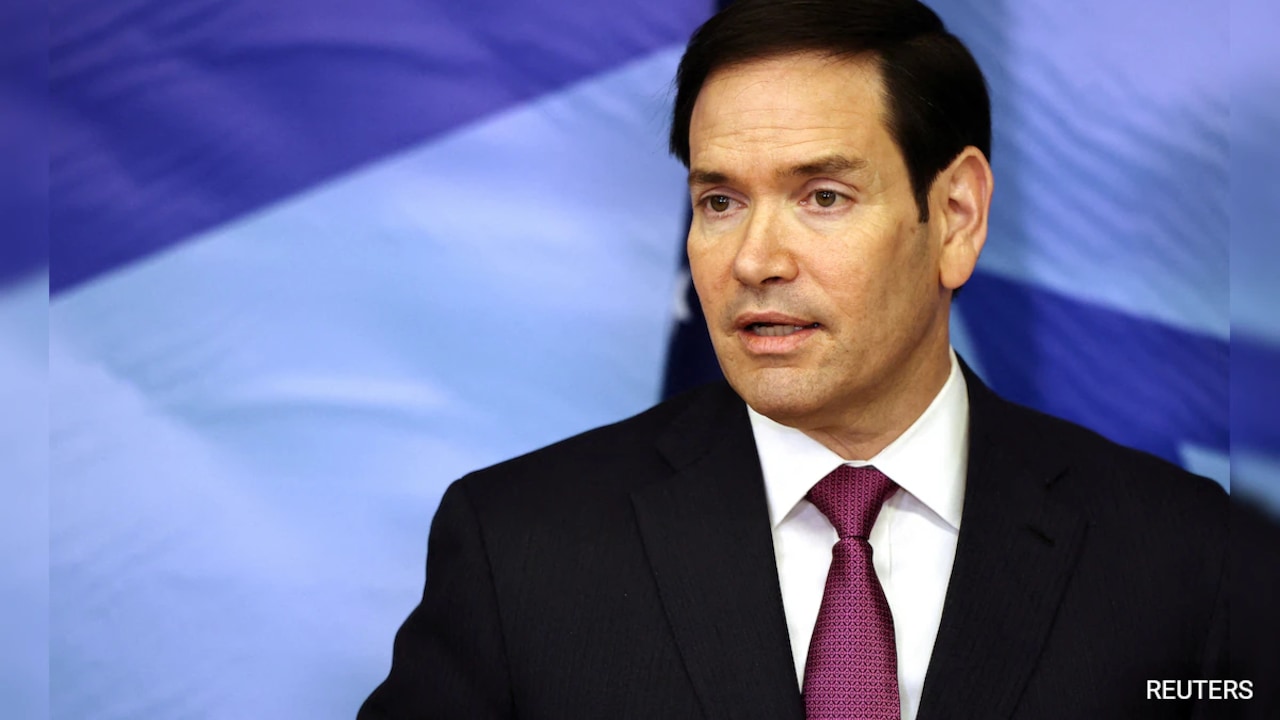
The tension in the Persian Gulf isn't just about diplomacy anymore. It is about survival, energy security, and an incredibly fragile peace. US Secretary of State Marco Rubio is heading to the United Arab Emirates, Kuwait, and Bahrain this week. This is his first official trip to the region since the joint US-Israeli military operations against Iran kicked off on February 28. He is arriving at a moment when the stakes could not be higher. Washington and Tehran just signed a temporary memorandum of understanding last week. It sets up a tight 60-day window to negotiate an end to a destructive four-month war. But while the headlines are focusing on the breakthrough in Switzerland, the real work is happening on the ground in the Gulf.
People are looking at this trip and wondering if the war is actually over. The short answer is no. A framework exists, but frameworks don't secure shipping lanes or mend broken alliances. Rubio has to achieve two massive goals over these three days. First, he needs to find a way to get the Strait of Hormuz open again. Second, he has to reassure Gulf allies who feel deeply exposed after months of heavy fighting. Don't forget to check out our recent coverage on this related article.
The Messy Reality of the Switzerland Breakthrough
Vice President JD Vance spent the weekend in Switzerland huddled with senior Iranian officials. He claimed they laid a good foundation for a successful final deal. That sounds great in a press release. It looks clean on television. Yet, the reality on the water tells a completely different story.
The memorandum of understanding buys time, but it doesn't buy trust. Gulf leaders are incredibly skeptical about Tehran keeping its word. They have watched this play out before. They know that a temporary pause in hostilities doesn't mean Iran will suddenly stop trying to project power across the region. Rubio is landing in the UAE first to explain exactly what Washington promised behind closed doors. To read more about the context here, NPR provides an in-depth summary.
The biggest issue right now is transparency. The Trump administration has kept some details of the Swiss talks close to its chest. Gulf partners want to know if the US is planning to ease major sanctions permanently or if this is just a temporary play to lower oil prices. Washington did temporarily ease some oil sanctions this week to keep negotiations moving. That move didn't sit well with everyone in the region. Some allies view it as giving up vital pressure too early.
Reopening the Strait of Hormuz Is Non-Negotiable
You cannot talk about Gulf security without talking about the Strait of Hormuz. It is the ultimate economic choke point. Roughly twenty percent of the world's oil supply flows through this narrow strip of water. Right now, it is effectively non-operational because of the conflict. Iran blocked it early in the war, sending global energy markets into a tailspin and causing massive international headaches.
A few weeks ago, Rubio told reporters that the strait would open one way or the other. He called the Iranian restrictions illegal. Now he has to back up those strong words with actual diplomacy or military coordination. The framework agreement explicitly states that reopening the waterway is a priority. Getting Iran to agree on paper is simple compared to making it happen safely in the real world.
Shipping companies aren't going to send multi-million dollar tankers back into the strait just because a memorandum was signed. They need guarantees. They need to know that naval escorts are real, that mines have been cleared, and that insurance rates will drop. Rubio's meetings in Bahrain, which hosts the US Navy's Fifth Fleet, will focus heavily on these technical security protocols.
Why Gulf Allies Feel Deeply Exposed
The regional dynamics have shifted dramatically over the last four months. This wasn't a distant war for Kuwait or Bahrain. It was right on their doorstep. Iran openly accused both nations of letting the US use their military bases to launch strikes against Iranian targets.
Think about how terrifying that is for a smaller Gulf state. They are caught between a global superpower and an aggressive neighbor right across the water. The accusations from Tehran created a massive security panic. These countries feel like they took all the risks while Washington called the shots from thousands of miles away.
Rubio has to fix this trust deficit. He isn't just delivering a message; he is trying to salvage relationships that have been pushed to the absolute brink. He needs to convince the leaders of Kuwait and Bahrain that the US has their back if the ceasefire falls apart. If he fails to reassure them, these nations might start looking elsewhere for security or cutting their own separate deals with Tehran to protect themselves.
The Strategic Dance In Bahrain
The final leg of Rubio's trip takes him to Bahrain for a direct meeting with the Gulf Cooperation Council. This is where the rubber meets the road. The GCC wants a unified front, but individual member states have very different ideas about how to handle Iran.
Some elements within the region want a total surrender from Tehran. They believe the military pressure should continue until the regime is completely incapacitated. Others are desperate for economic stability and want the shipping lanes open at any cost. Rubio has to balance these competing demands while keeping the US-Iran diplomatic track from derailing.
The US strategy relies heavily on maintaining a credible military threat while talking peace. It is a dangerous balancing act. If the US looks too eager for a deal, Iran gains leverage. If the US looks too aggressive, the Gulf partners panic about becoming targets again. Rubio's performance at the GCC meeting will dictate whether the region stays unified or fractures under the pressure.
What Happens If the 60-Day Window Fails
We have to look at the alternative scenario. Sixty days is a blink of an eye in international diplomacy. The clock is already ticking. If Rubio cannot convince the Gulf states to support the framework, the final negotiations in Switzerland will stall out completely.
A collapse of the talks means a return to open warfare. This time, the economic fallout would be even worse. The global economy has managed to scrape by with the Strait of Hormuz closed for a few months, but a prolonged shutdown would trigger severe energy shortages worldwide.
The next steps are clear for observers and businesses tracking this crisis. Watch the language coming out of the bilateral meetings in Abu Dhabi and Kuwait City. Look for specific commitments regarding joint naval patrols. If the official statements contain nothing but vague diplomatic pleasantries, it means the Gulf states are still holding back. True progress will show up in concrete agreements to secure the waters, shared intelligence protocols, and a clear timeline for lifting the maritime blockade. The administration needs this trip to work, or the temporary peace won't outlast the summer.