Every autumn, like clockwork, the internet convinces itself that Jay-Z is finally taking the Super Bowl halftime stage. The headlines flare up, social media feeds ignite with fantasy setlists, and sports blogs scramble to aggregate the noise. Yet the truth behind the persistent rumor is far more calculated than a simple booking announcement. Jay-Z is not slated to headline the upcoming Super Bowl halftime show; instead, he remains the architect behind the curtain, pulling the levers of the NFL’s live entertainment strategy through his company, Roc Nation.
To understand why the public keeps falling for the bait, you have to look at the intersection of corporate power, cultural currency, and the massive financial engine that drives the biggest television broadcast in North America. Rumors of a Jay-Z performance persist because fans confuse his visible presence at the center of the NFL’s entertainment machine with an impending return to the microphone. For a more detailed analysis into this area, we recommend: this related article.
The Architecture of the Roc Nation Deal
In August 2019, the National Football League announced a multi-year partnership with Roc Nation, naming the company its official "live music entertainment strategist." The move shocked the entertainment industry and fractured parts of Jay-Z’s own fanbase. At the time, the league was still reeling from the fallout surrounding Colin Kaepernick and the player protests against racial injustice and police brutality. High-profile artists like Rihanna and Cardi B had publicly turned down the halftime slot in solidarity with Kaepernick. The NFL had a credibility crisis, and its marquee musical showcase was suddenly toxic to the very demographics it needed to attract.
Enter Shawn Carter. For broader information on this issue, comprehensive coverage can be read on Variety.
Rather than stepping onto the field as a performer, Jay-Z stepped into the boardroom as a partner. Under the terms of the agreement, Roc Nation became responsible for advising the league on the selection of artists for major tentpole events, most notably the Super Bowl halftime show, while also collaborating on the league’s Inspire Change social justice initiative.
The results were immediate and undeniable. Within six months of the deal, Jennifer Lopez and Shakira delivered a historic performance in Miami. Subsequent years brought The Weeknd, an all-star West Coast hip-hop showcase led by Dr. Dre, Snoop Dogg, Eminem, Mary J. Blige, and Kendrick Lamar, followed by Rihanna’s solo return and Usher’s Las Vegas residency-style spectacle. By the time Kendrick Lamar was tapped to headline the New Orleans broadcast, the pattern was clear. Roc Nation had successfully transformed the halftime show from a safe, legacy-rock affair into the premier global stage for hip-hop and R&B.
When you hold the pen that signs off on the talent, your name is permanently attached to the event. Every leak, every short list, and every executive meeting at NFL headquarters on Park Avenue involves Jay-Z’s camp. Tabloid editors and click-hungry content farms know that attaching Jay-Z’s name to a headline guarantees traffic, regardless of whether he is producing the show or holding a microphone.
The Economics of Performing for Free
There is a massive financial reality that casual observers overlook when they fantasy-book a billionaire mogul for a thirteen-minute concert. The NFL does not pay its halftime headliners an appearance fee.
Zero dollars.
While the league covers the exorbitant production costs—which regularly exceed ten million dollars for staging, lighting, pyrotechnics, and union labor—the artists themselves walk away without a paycheck. Historically, the trade-off has been the Super Bowl halo effect. For decades, record labels and talent managers viewed the broadcast as the ultimate promotional loss leader. An artist steps in front of over one hundred million live viewers, and the next morning, their catalog streams spike by hundreds of percent, album sales surge, and stadium tour tickets sell out in minutes.
For an artist promoting a new album or launching a global tour, that exposure is priceless. For Jay-Z, the math simply does not work.
Consider his current business portfolio. He has not released a solo studio album since 4:44 in 2017. He is not grinding out sixty-date arena tours to pay the bills. His wealth is anchored in equity, spirits, venture capital, and entertainment assets—from his historic stakes in Armand de Brignac and D'Ussé to his investment firm, Marcy Venture Partners, and Roc Nation’s sprawling sports and music management roster. A spike in Spotify streams for "Empire State of Mind" or "99 Problems" does not move the needle on a net worth estimated well north of two billion dollars.
More importantly, performing at the event he is hired to curate creates an immediate conflict of interest. If Jay-Z books himself, he undercuts the credibility of Roc Nation as an objective strategist for the league. Critics would instantly accuse him of using an NFL consultancy to self-promote. By staying off the stage, he maintains absolute executive authority. He gets to be the kingmaker rather than the contestant.
Why the Rumor Mill Never Stops
If the business logic against a performance is airtight, why do credible-sounding rumors surface every single year? The answer lies in the mechanics of modern sports media and the psychological habits of music fans.
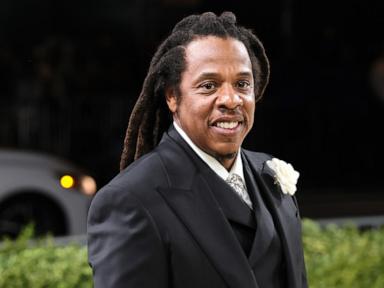
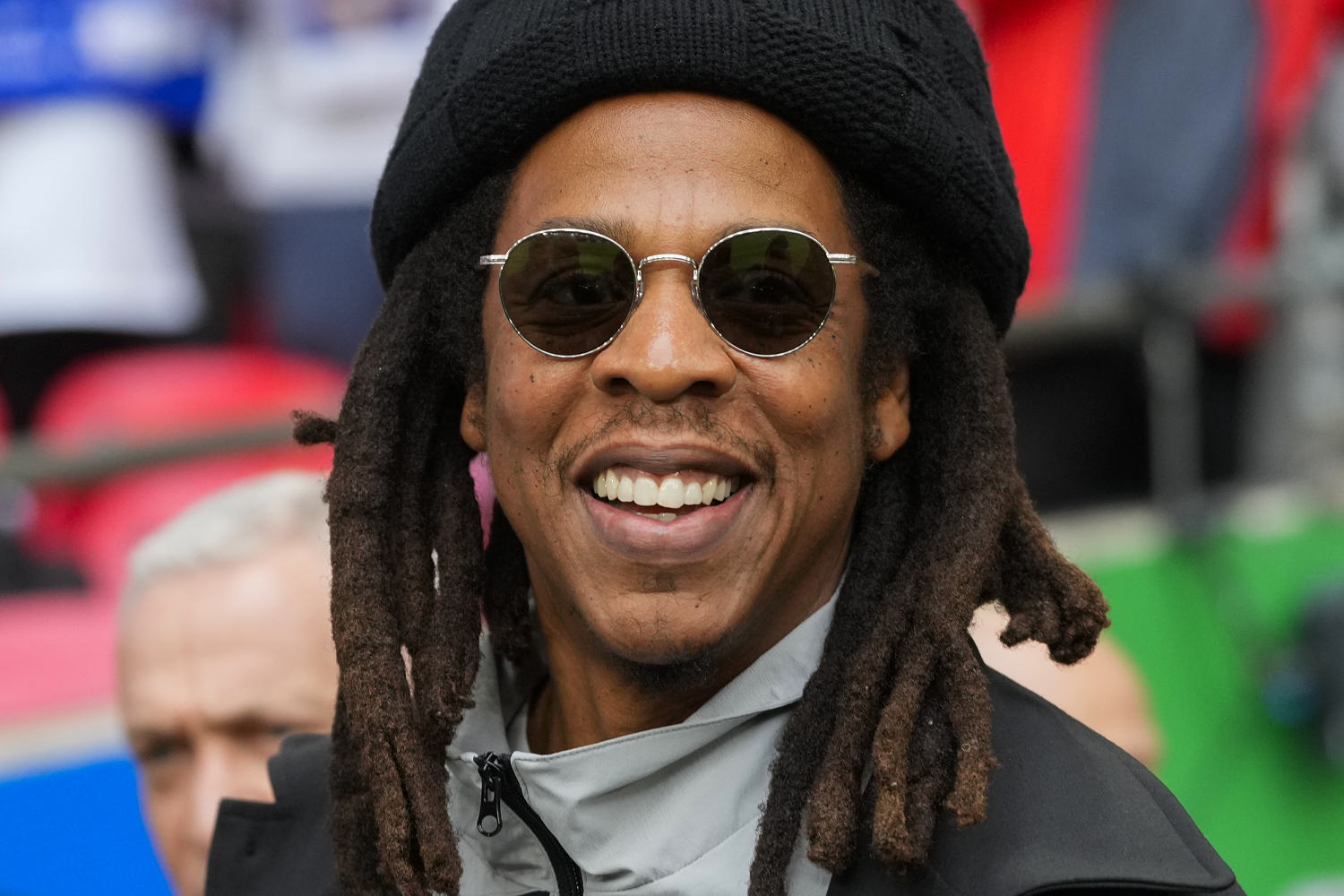
First, there is the proximity fallacy. Jay-Z is routinely photographed on the sidelines before the kickoff of the Super Bowl, often accompanied by his daughters, Blue Ivy and Rumi. When cameras capture him walking the turf in a black hoodie and sunglasses, conferring with league executives or chatting with players, the visual triggers an immediate assumption among casual viewers. People see a legendary rapper on the field at the Super Bowl and subconsciously connect the dots to a performance.
Second, sports betting markets have poured gasoline on the fire. Offshore sportsbooks and prediction markets now offer prop bets on everything from the length of the national anthem to the color of the Gatorade bath and the identity of the halftime headliner. Whenever a bettor drops a large wager on Jay-Z at long odds, the algorithm shifts the betting line. Sports journalists monitoring those odds immediately write articles noting that "Vegas odds surge for a Jay-Z Super Bowl appearance." Those articles get aggregated by entertainment sites, stripped of their betting context, and presented to the public as insider industry leaks.
Third, there is the persistent hope of a surprise cameo. Even when another artist is officially announced as the headliner, the speculation shifts to whether Jay-Z will emerge from beneath the stage for a sixteen-bar guest verse. It makes sense on paper. He shares massive hits with Rihanna ("Umbrella," "Run This Town"), Beyoncé ("Crazy in Love," "Drunk in Love"), Alicia Keys ("Empire State of Mind"), and Kanye West ("Niggas in Paris"). Every time one of his collaborators gets the call, fans brace for the unmistakable beat drop of a Roc-A-Fella classic. Yet time and again, he remains in the luxury suite, watching his clients and peers take the spotlight.
The Political Tightrope and Industry Backlash
Stepping onto that stage would also reopen wounds that Jay-Z has spent years trying to cauterize. His initial entry into the NFL’s orbit was met with fierce condemnation from activists, fellow artists, and prominent cultural commentators who viewed the partnership as a betrayal of Colin Kaepernick. At the introductory press conference in 2019, Jay-Z famously stated, "I think we've passed kneeling. I think it's time for action."
That quote followed him for years. While Roc Nation has funnelled tens of millions of dollars into grassroots community organizations through the Inspire Change initiative, a segment of the public still views the alliance with deep skepticism.
Furthermore, the selection process itself has become a political minefield inside the music industry. When Kendrick Lamar was chosen over Lil Wayne for the Super Bowl in New Orleans—Lil Wayne’s hometown—a vocal faction of hip-hop veterans and fans attacked Jay-Z directly. Prominent figures like Nicki Minaj and Birdman publicly questioned the decision, framing it as a slight against a Southern hip-hop pioneer. Even though the NFL ultimately signs off on the final choice, Jay-Z absorbs the public backlash whenever a fanbase feels snubbed.
If he were to bypass the deep roster of active, chart-topping artists and hand the coveted slot to himself, the blowback would be deafening. It would look less like a victory lap and more like an ego trip. In an industry where perception is currency, Jay-Z understands that restraint is a form of power.
What Actually Happens Behind Closed Doors
To understand how the Super Bowl halftime show actually comes together under the current regime, you have to strip away the glamour and look at the corporate timeline. The process begins nearly a year before the game is played.
- Market and Host City Alignment: The NFL and Roc Nation evaluate the host city, the broadcast network, and the broader cultural temperature. A game in Los Angeles demands a different sonic palette than a game in Las Vegas or New Orleans.
- Shortlisting Active Touring Giants: Executives look at artists who are currently in an active album cycle or preparing to announce a massive global stadium tour. The artist needs to have the catalog to sustain a high-energy medley and the current momentum to drive massive pre-game media coverage.
- Sponsor Integration: The halftime show is no longer just a television segment; it is a massive branded sponsorship vehicle. After Pepsi ended its decade-long run as the title sponsor, Apple Music stepped in with a reported fifty-million-dollar-a-year commitment. Apple Music’s executives have a vested interest in selecting artists whose catalog streams and spatial audio releases will dominate their platform in the weeks surrounding the game.
- The Pitch and Production: Once an artist agrees in principle, they must pitch a creative vision that works within the brutal logistical constraints of a football game. The entire stage must be rolled onto the turf, assembled, wired for broadcast audio, performed on, and cleared off the field in under thirty minutes without destroying the playing surface for the second half.
Nowhere in that four-step corporate pipeline does a semi-retired billionaire mogul fit the profile. Jay-Z’s value to the NFL and Apple Music is his taste, his relationships, and his ability to convince reluctant superstars that the Super Bowl is once again cool.
The Shift from Performer to Institutional Power
The enduring fascination with a potential Jay-Z halftime show reveals a fundamental misunderstanding of how power operates in the modern entertainment business. Audiences are conditioned to measure an artist’s relevance by their visibility—how often they trend, how many tours they announce, and whether they still chase the brightest spotlights.
Jay-Z abandoned that metric a decade ago.
Look at the trajectory of his peers from the late 1990s and early 2000s. Many are still on the road, performing legacy sets at amphitheaters and festivals, tethered to the grueling economics of live touring because streaming royalties alone cannot sustain their lifestyles. Jay-Z engineered an exit from that treadmill. By transitioning from talent to ownership, he insulated himself from the aging curve that eventually catches up to every recording artist.
When you own the management agency, advise the sports league, and sit at the table with the tech giant sponsoring the broadcast, you do not need to audition for thirteen minutes of airtime in February. You already own the real estate. The next time a breathless headline claims Jay-Z is preparing to headline the Super Bowl, look past the clickbait and follow the money—he is already running the show, and he does not need a microphone to prove it.