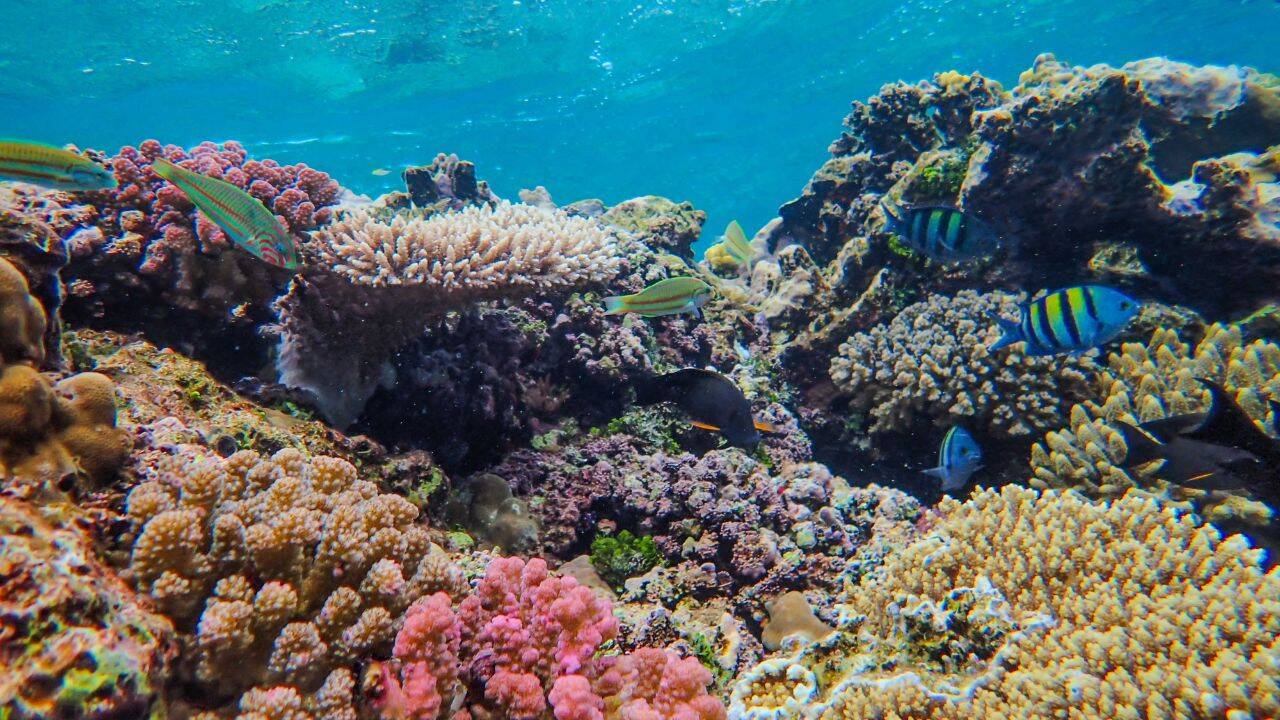
Hawaii's coral reefs are running out of gas, and ocean warming isn't the only culprit to blame.
When sea temperatures spike, we usually hear about coral bleaching—that devastating process where stressed corals kick out the colorful algae living inside them and turn ghost-white. But recent research shows a far more insidious double-whammy happening right beneath the surface. Land-based pollution, specifically nutrient runoff from urban waste, agriculture, and leaking septic systems, is actively draining the energy reserves of Hawaii corals long before the water gets too hot.
If you want to understand why some reefs survive severe marine heatwaves while neighboring reefs crumble, you have to look at what's washing into the ocean from the shore.
How Land Pollution Drains Energy From Hawaii Corals
Corals look like rocks, but they're living animals reliant on a delicate internal energy budget. Under normal conditions, tiny symbiotic algae called zooxanthellae live inside the coral tissue. These algae photosynthesize, producing sugars that supply up to 90% of the coral animal's daily energy needs.
In return, the coral provides the algae with shelter and metabolic waste products like nitrogen and phosphorus. It's a balanced, mutually beneficial arrangement that has worked for millions of years.
Coastal runoff completely wrecks this balance.
When fertilizers, golf course maintenance chemicals, cesspool leaks, and stormwater runoff empty into reef waters, they flood the ecosystem with excess nitrogen and phosphorus. You'd think more nutrients would mean more food, but it actually backfires.
The algae inside the coral go wild. They start reproducing at abnormally high rates, hoarding energy for their own growth rather than sharing those photosynthetic sugars with the host coral.
The coral gets starved from the inside out.
To make matters worse, elevated nutrient levels force the coral animal to expend massive amounts of its stored energy—specifically lipids, or fats—just to manage the stress and maintain tissue health. By the time elevated sea surface temperatures roll around in late summer, these nutrient-stressed corals are already running on empty. They don't have the metabolic reserves left to endure prolonged thermal stress, making bleaching far more frequent, severe, and lethal.
The Heatwave Connection and Why Hawaii Is at Risk
Marine heatwaves are becoming longer and more frequent across the Pacific. In recent years, events like the massive Pacific warm water anomaly—often called "The Blob"—and strong El Niño conditions have driven record-breaking water temperatures around Oahu, Maui, Hawaii Island, and Kauai.
When water temperatures rise just a degree or two Celsius above the local summer maximum for an extended period, the symbiotic relationship between coral and algae breaks down. The algae start producing toxic compounds, and the coral forces them out.
A bleached coral isn't dead yet, but it's starving.
Research conducted across Hawaiian waters, including extensive studies by the University of Hawaii at Mānoa and the Hawaii Institute of Marine Biology, highlights a stark contrast in reef resilience. Corals situated near clean, low-nutrient coastlines retain higher lipid stores. When a heatwave strikes, these healthy corals can rely on their stored fat reserves to survive for weeks or even months without their algal partners, giving them a real shot at recovering once the water cools down.
Corals sitting in pollution hotspots don't have that cushion. Their energy reserves were depleted months prior by nutrient-rich runoff. When the heat hits, their mortality rates skyrocket because their baseline energy state was already in the red.
It's like asking a marathon runner who hasn't eaten in three days to complete a race in 100-degree weather. They're going to collapse.
Where the Pollution Is Actually Coming From
When people picture ocean pollution, they usually picture plastic bags and oil slicks. While those are real problems, the primary culprit behind reef energy drain is largely invisible.
Legacy Cesspools and Wastewater
Hawaii has roughly 88,000 cesspools across the islands, discharging tens of millions of gallons of untreated sewage into the ground every single day. Because much of Hawaii's geology consists of porous volcanic rock, this untreated effluent quickly trickles into shallow groundwater, which flows directly into the ocean. These human waste streams are loaded with nitrogen, pathogens, and pharmaceuticals.
Agricultural and Land Runoff
Decades of heavy agriculture, along with modern turf management on golf courses and residential lawns, leave behind massive quantities of excess fertilizer. Monsoon-like rains wash these synthetic nutrients off the land and straight into coastal bays. Soil erosion from feral ungulates—like wild pigs and goats stripping hillside vegetation—also sends heavy sediment into the water, smothering corals and blocking the sunlight their algae need to photosynthesize.
Urban Stormwater
Paved roads, driveways, and concrete infrastructure in high-density areas prevent rainwater from naturally soaking into the ground. Instead, stormwater sweeps up pollutants, oils, and heavy metals off city streets and dumps them into reef ecosystems via canal networks like the Ala Wai Canal in Honolulu.
Why Fixing Local Runoff Is Our Best Weapon Right Now
Global climate change requires global action, and lowering atmospheric carbon takes time. But local pollution is something Hawaii can fix locally, right now, with immediate benefits for reef survival.
Scientists refer to this strategy as building "local resilience." We can't immediately cool down the Pacific Ocean during a summer heatwave, but by eliminating land-based stressors, we give corals the metabolic stamina required to survive those heat events.
If we clean up coastal waters, corals keep their fat stores intact. They maintain their natural energy balance. When the ocean warms up, they have the reserves needed to withstand thermal stress, increasing their odds of recovery instead of dying en masse.
Hawaii has already taken legislative steps, such as passing mandates to replace all public and private cesspools by 2050. However, many marine scientists argue that timeline is simply too slow given the accelerating frequency of marine heatwaves.
Actions That Make an Immediate Impact
Saving Hawaii's reefs isn't a lost cause, but it requires shifting priorities from reactive restoration to proactive land management.
- Accelerate Wastewater Conversion: Upgrading coastal cesspools to advanced septic systems or connecting them to municipal sewer lines cuts off the direct supply of nitrogen to shallow reefs.
- Restore Watersheds and Wetlands: Replanting native vegetation in upper watersheds stops soil erosion before it starts. Estuaries and coastal wetlands act as natural biofilters, trapping sediment and absorbing excess nutrients before water reaches the ocean.
- Rethink Land Management: Reducing synthetic fertilizer use on commercial properties, residential lawns, and agricultural fields prevents chemical spikes in groundwater.
- Support Local Restoration Efforts: Organizations working on watershed management, such as the Ridge to Reef initiatives across the islands, address the pollution problem at the source—up on the mountain—rather than just waiting for the coral to bleach down in the bay.
To save coral reefs in warming seas, we have to start on dry land. Stop the nutrient drain at the coastline, give corals back their natural energy reserves, and give these crucial ecosystems a fighting chance to endure a changing climate.