The UN Security Council just hit a dead end, and it’s going to cost you at the gas pump. On April 7, 2026, Russia and China pulled the trigger on their veto power, killing a Bahrain-led resolution designed to protect merchant ships in the Strait of Hormuz. While diplomats in New York trade barbs, the reality is that one of the world’s most vital energy arteries remains effectively choked off.
This wasn't just a routine "no" vote. It was a calculated move that leaves the global economy hanging by a thread, especially with a looming deadline from Washington that could turn this cold standoff into a hot war by morning. If you think this is just another dry day at the UN, you aren't looking at the price of oil. In related developments, read about: Strategic Schisms and Geographic Divergence in the Iranian Diaspora Post Trump Ceasefire.
The Veto that Paralyzed the Gulf
The resolution was supposed to be a slam dunk. Proposed by Bahrain and backed by a heavy-hitting coalition including the US, UK, and France, it aimed to coordinate "defensive efforts" to keep the Strait of Hormuz open. We're talking about a waterway that handles roughly 20% of the world's oil and liquefied natural gas.
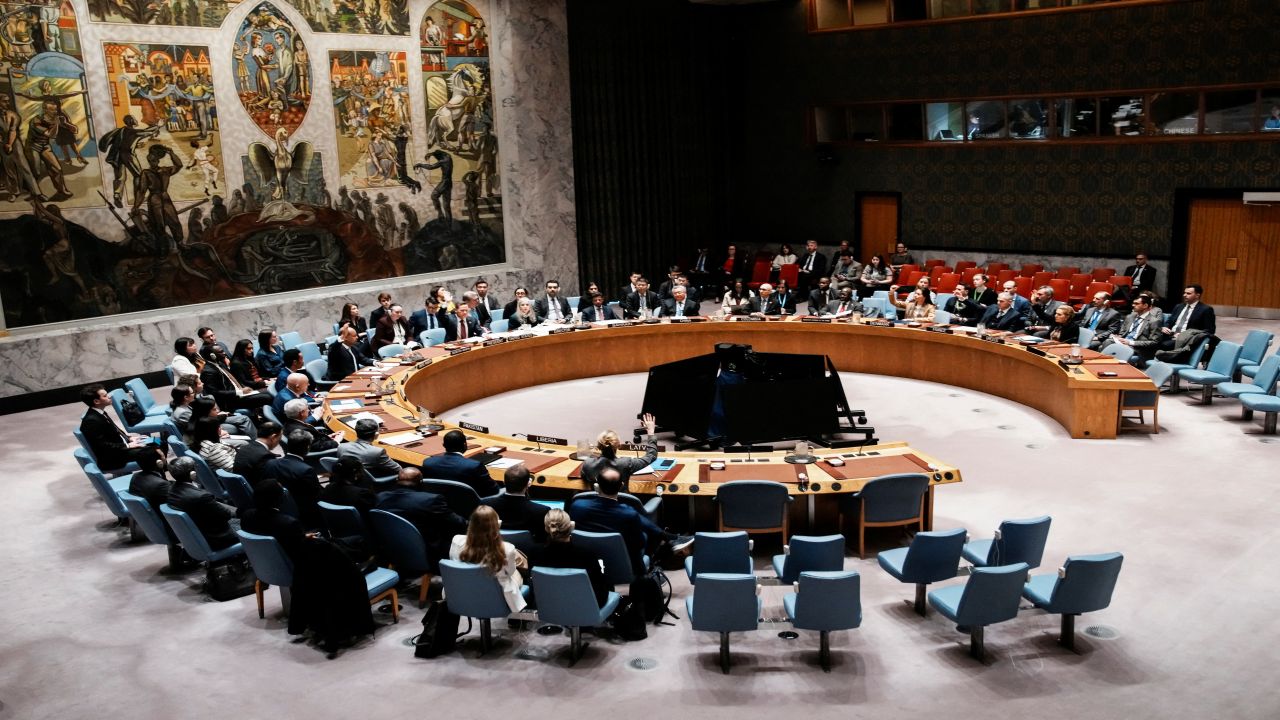
Eleven countries voted yes. Colombia and Pakistan sat on the fence with abstentions. But because Russia and China are permanent members, their "no" votes acted as a total kill switch. The Guardian has provided coverage on this critical subject in extensive detail.
The text was already a shadow of its original self. Earlier drafts invoked Chapter VII, which would've authorized actual military force to unblock the strait. To appease Moscow and Beijing, the sponsors watered it down to only "encourage" defensive coordination and vessel escorts. It didn't matter. Russia’s Vassily Nebenzia called the text "one-sided," arguing it ignored the "root causes"—namely US and Israeli strikes on Iranian soil. China’s Fu Cong echoed that sentiment, claiming the resolution failed to capture the "full picture."
Why This Isn't Just About Diplomacy
What most people get wrong about this veto is thinking it’s about "peace." It’s actually about leverage. By blocking the UN’s ability to act, Russia and China are essentially telling the West that they won't help bail out a US-led security order in the Middle East.
- For Russia: Any disruption in Middle Eastern oil supply keeps global prices high, which helps their own energy-dependent economy.
- For China: While they hate high energy costs, they hate a permanent US-led maritime coalition in the Gulf even more.
- For Iran: The veto provides a legal and political shield. It allows Tehran to claim that any US action taken now is "unilateral" and lacks "international legitimacy."
Trump’s Deadline and the High Stakes
The timing of this vote couldn't be worse. It landed just hours before a deadline set by US President Donald Trump. He’s warned Iran to reopen the waterway or face attacks on its power plants and bridges. He’s been blunt, stating that "a whole civilization will die tonight" if a deal isn't reached.
While the UN was busy arguing over "preambular parts" of a document, the US military is already positioned. Without a UN mandate, any move the US makes tonight will be outside the framework of international law—exactly the "dangerous precedent" Nebenzia claimed he wanted to avoid.
What Happens to Shipping Now
If you're a shipping company, you're in a nightmare scenario. The resolution would have provided a framework for legal, coordinated naval escorts. Now? You're on your own or at the mercy of whatever "coalition of the willing" the US manages to cobble together.
- Insurance rates are going to explode: Expect premiums for transiting the Gulf of Oman to hit record highs within 48 hours.
- Rerouting is the new norm: Ships are already diverted around the Cape of Good Hope, adding weeks to transit times and massive costs to global supply chains.
- Energy rationing: Countries in Asia, heavily dependent on Gulf oil, are already looking at emergency rationing measures.
The Reality Check
Don't wait for the UN to save the day. This veto proves the Security Council is effectively broken when it comes to the Middle East. The "diplomatic solution" just evaporated.
If you have business interests tied to global logistics or energy, it’s time to activate your contingency plans. The "wait and see" period ended the moment those two hands went up in New York. Watch the headlines tonight; the shift from the assembly hall to the flight deck is likely already underway.