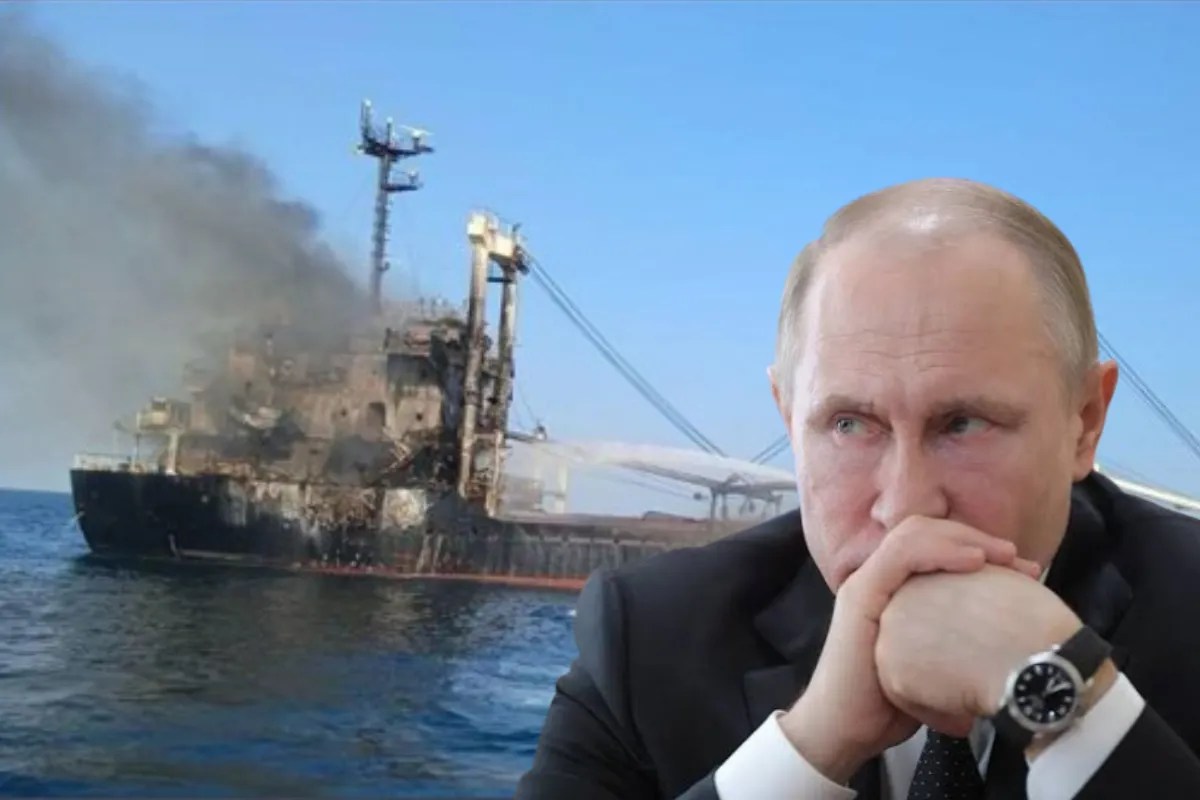
Naval blockades aren't new. But using vital global choke points to starve an entire nation while holding international energy and food markets hostage? That's a specific kind of geopolitical leverage. Iran perfected this playbook in the Strait of Hormuz over several decades. Now, Russia is running the exact same strategy against Ukraine in the Black Sea, pushing millions toward severe food insecurity.
If you look at how Tehran routinely threatens to shut down the Strait of Hormuz whenever Western sanctions bite, the parallels in Eastern Europe become clear. It's not just about military tactics on the frontline. It's a calculated economic squeeze meant to force concessions by weaponizing global supply chains.
Blockades as a Tool of Economic Warfare
When Tehran threatens the Strait of Hormuz, global oil prices spike immediately. Around a fifth of the world's petroleum passes through that narrow stretch of water. Iran knows it doesn't even need to sink every tanker. Just harassing a few vessels or seizing a foreign-flagged ship sends marine insurance rates soaring, effectively freezing shipping traffic.
Russia took a page straight out of this manual during its full-scale invasion of Ukraine. By blocking Ukrainian Black Sea ports like Odesa, Chornomorsk, and Yuzhny, Moscow cut off the primary exit route for one of the world's largest grain exporters.
Ukraine isn't called the breadbasket of Europe for fun. Millions of people across North Africa and the Middle East rely directly on Ukrainian wheat, barley, and sunflower oil. When Russian warships locked down those sea lanes, grain exports plummeted. Local bread prices in vulnerable countries skyrocketed almost overnight.
The Human Cost of Blockading Food Corridors
Weaponizing trade hits civilians hardest. In 2022 and 2023, the collapse of Ukrainian grain shipments pushed parts of the Global South dangerously close to famine. Countries like Somalia, Egypt, and Lebanon felt the brunt of the crisis instantly.
Iran used the threat of energy shortages to stall foreign policy decisions in Washington and Brussels. Russia used the threat of global hunger to pressure the international community into lifting trade restrictions.
It's a stark tactic. You target a third party—in this case, developing nations depending on imports—to force Western nations to alter their policy.
Eventually, the United Nations and Turkey brokered the Black Sea Grain Initiative to open a protected maritime humanitarian corridor. But the agreement remained fragile from day one. Moscow repeatedly threatened to pull out, using inspect delays and bureaucratic hurdles to choke export volumes anyway. When Russia officially weaponized its withdrawal from the deal, it targeted Ukrainian port infrastructure directly with missile strikes, destroying tens of thousands of tons of stored grain.
Why Military Power Alone Can't Solve Maritime Choke Points
Navies are built to fight other navies, but dealing with asymmetric blockade strategies is a nightmare for military planners.
In the Persian Gulf, the U.S. Navy and its allies spent years escorting commercial ships and establishing international maritime security constructs to deter Iranian fast-boat attacks and mine-laying operations. Even with massive naval superiority, securing every merchant vessel in a tight corridor is nearly impossible.
In the Black Sea, Ukraine faced an even tougher challenge because it lacked a massive conventional navy to challenge Russia's Black Sea Fleet directly.
Instead, Kyiv adapted. Ukraine turned to uncrewed surface vessels—exploding maritime drones—and long-range anti-ship missiles like the Neptune. By striking high-value Russian warships, including the flagship Moskva, Ukraine forced the Russian navy to pull back its surface vessels away from the Western Black Sea.
This created a unilateral commercial corridor along the coastlines of Romania and Bulgaria. Ukraine managed to restart grain shipments without Russian consent, demonstrating that a blockade can be broken through asymmetric counter-measures.
The Playbook Requires International Pushback
Choke-point politics will continue to threaten global security until the cost of executing blockades outweighs the strategic benefits.
When regional powers realize they can use international waterways as bargaining chips, the entire global trade network suffers. Marine insurance becomes unaffordable, supply chains fracture, and the world's most vulnerable populations pay the price at the dinner table.
Stopping these tactics requires immediate, practical steps from the global community:
- Expand naval insurance guarantees through international consortia to lower shipping costs in high-risk zones.
- Provide targeted air defense systems to protect port cities and grain storage facilities from missile and drone strikes.
- Enforce strict maritime law standards against illegal vessel seizures and sea mining in international waters.
- Diversify overland logistics networks, including rail and river routes, to reduce total reliance on single maritime corridors.
Navies alone won't secure global trade. Stronger legal enforcement, physical port defense, and aggressive countermeasures against illegal blockades are the only way to prevent choke points from becoming perpetual leverage tools.