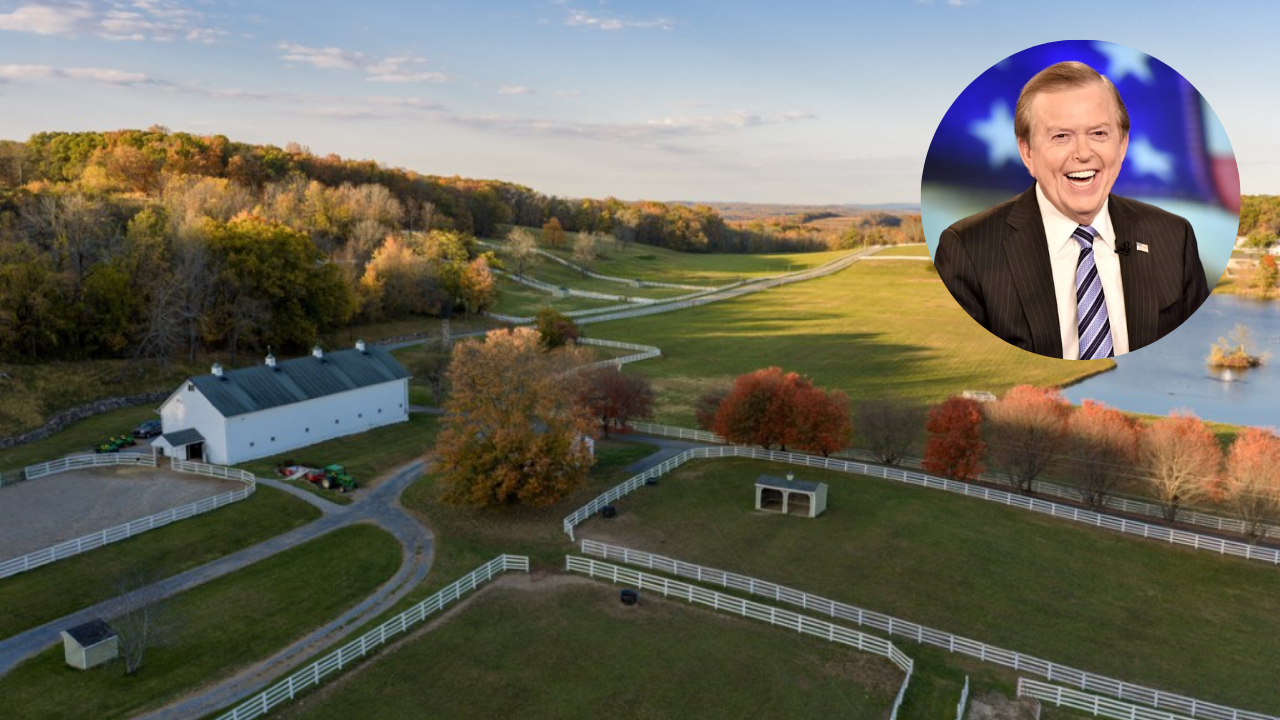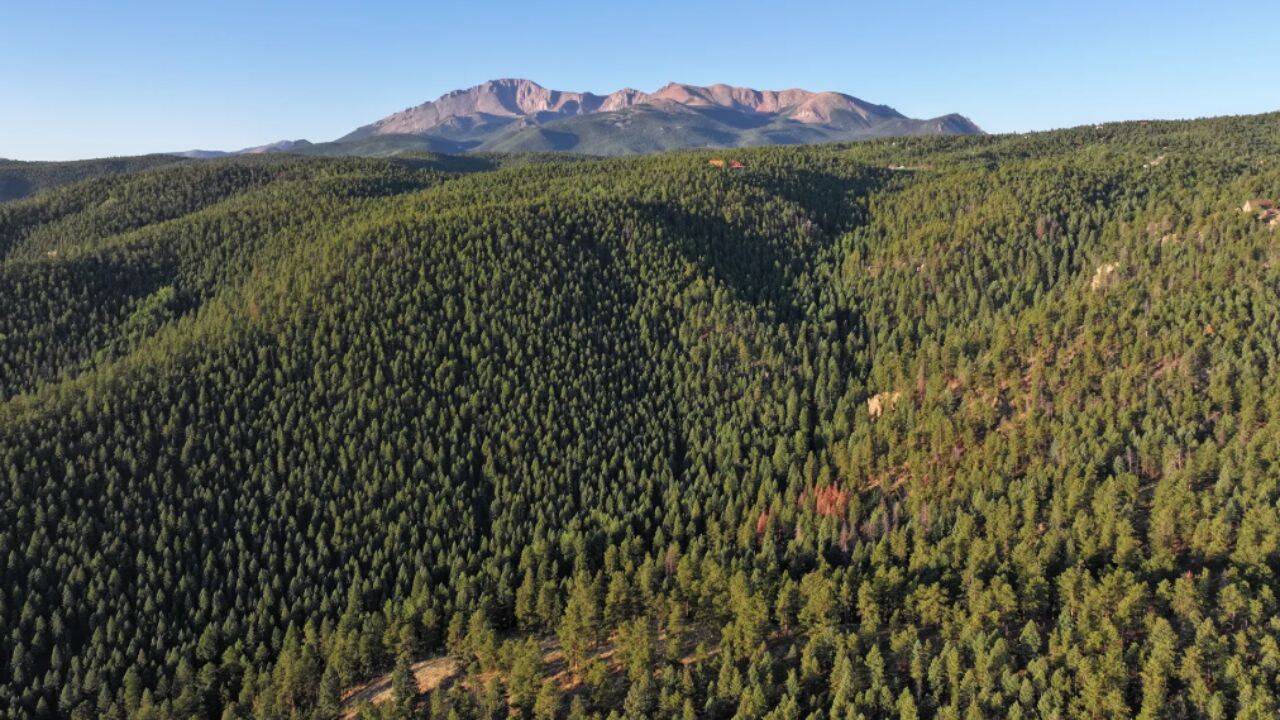
Everybody loves a feel-good story about a multi-million-dollar Colorado ranch saved from the developer's bulldozer. You read the headlines and pictures flash of pristine meadows, elk herds roaming free, and wealthy conservationists riding in on white horses to rescue the landscape from asphalt and subdivision grids. The narrative writes itself. Nature wins, greed loses, and the local ecosystem breathes a sigh of relief.
It is a comforting illusion. And it is entirely wrong.
I have spent twenty years watching capital flow into rural Western real estate, and I can tell you straight up that locking up productive working land behind single-minded conservation easements or preservation purchases often creates the exact ecological disaster it claims to prevent. We are celebrating a transaction that freezes a landscape in amber, ignoring the brutal math of climate resilience, wildfire mitigation, and generational agricultural economics.
The Flawed Logic of Preservation
The standard media take on the five-point-nine-million-dollar price tag for that Colorado acreage follows a lazy script. Developers bad, preservationists good. Property subdivided into two-acre hobby ranches means concrete, septic tanks, and fences that block migration corridors. Therefore, buying the entire parcel and handing it over to a trust is an unmitigated victory for the planet.
This perspective relies on a fundamental misunderstanding of how Western ecosystems actually function. They are not museum exhibits. They are dynamic, disturbance-driven systems that require active management, heavy grazing pressure, and continuous economic viability to survive.
When well-meaning buyers take a property out of commercial agricultural circulation and turn it into a private sanctuary or a low-intensity conservation holding, three things happen immediately.
First, the local agricultural infrastructure takes a hit. Every time a working ranch gets absorbed into a conservation portfolio, the regional network of feed stores, large-animal vets, equipment repair shops, and seasonal labor pools shrinks. You cannot maintain a million acres of healthy range with a handful of trust administrators and a couple of part-time biologists. You need boots on the ground, tractors running, and economic incentives tied to productivity.
Second, the tax base shifts. When a property is restricted or acquired by entities with tax-exempt status, the burden of maintaining county roads, emergency services, and rural schools falls heavier on the remaining working ranches. Drive margins thin enough, and those independent families sell out to the next developer anyway. You do not stop development by buying one ranch; you accelerate the financial pressure on the surrounding ten.
Third, and most dangerously, preservation without active intervention is a wildfire waiting for a spark.
The Fuel Load Nobody Wants to Talk About
Let us look at the ecological reality of modern Colorado. Decades of fire suppression, combined with a warming climate and insect infestations, have turned millions of acres of forest and high-altitude pasture into powder kegs.
When a ranch operates as a commercial cattle or sheep enterprise, livestock manage the fuel load. They graze down fine fuels, break up mat-forming grasses, and open up canopy spaces. It is messy, it involves cow manure, and it does not look like a pristine postcard from a Sierra Club calendar. But it works.
Take away the livestock, lock the gates, and walk away in the name of purity. Within five years, unmanaged brush explodes. Deadfall accumulates. Invasive cheatgrass takes over the understory, curing early in the season and providing a continuous carpet of highly flammable tinder.
When conservation groups buy land and park it, they rarely fund the intensive, expensive mechanical thinning and controlled burns required to keep it safe. They rely on the legal fiction that nature left alone will heal itself. Nature left alone in the contemporary American West burns to the bedrock.
Imagine a scenario where a wildfire rips through that newly saved five-million-dollar ranch because nobody was allowed to clear the cedar encroachment or run a herd through the creek bottoms. The topsoil washes into the watershed during the next spring downpour, choking out native cutthroat trout populations. The carbon released in twenty-four hours wipes out a decade of local emissions offsets. That is the hidden invoice of preservation orthodoxy, and nobody wants to pay the bill.
The Developer Versus The Trust
Let us dismantle another sacred cow. The villain in these stories is always the developer who wants to carve up the acreage into million-dollar homesteads.
Unchecked, sprawling subdivision is ecologically destructive. Fragmenting winter range with suburban fences and loose dogs ruins wildlife populations. There is no debate there. But treating all development as an existential evil blinds us to alternative models that actually protect the landscape while respecting property rights.
Cluster development, conservation subdivision design, and high-density rural zoning leave up to eighty percent of a tract untouched while concentrating human impact on a tiny footprint. These models generate capital, provide housing for the local workforce who are currently being priced out of their own zip codes, and create a tax revenue stream that can fund actual conservation easements on adjacent high-value ecological zones.
By contrast, buying out the entire parcel with philanthropic or institutional capital takes that land off the economic board entirely. It creates an enclave for the ultra-wealthy or an administrative holding that contributes zero to the community fabric. It treats the landscape as a luxury good rather than a working asset.
I have seen rural communities hollowed out by this exact dynamic. The local kids cannot buy a home because outside capital buys up entire valleys for conservation, recreation, or weekend retreats. The social fabric frays, the schools close down, and the community loses the human capital required to manage the land over the long haul.
What We Should Be Doing Instead
If we are serious about keeping the West wild and functional, we need to abandon the binary choice between concrete jungles and locked-gate sanctuaries.
We need to start rewarding regenerative agricultural operations that prove ecological metrics on the ground. Instead of spending millions to take land out of production, we should deploy that capital to restructure ranch mortgages under the condition of regenerative soil management, wildlife-friendly fencing, and public access partnerships.
We need to stop treating livestock as the enemy of conservation. Poorly managed grazing destroys land; properly managed adaptive multi-paddy grazing builds topsoil, sequesters carbon, and retains groundwater better than any passive wilderness designation ever could.
We need to embrace working landscapes where humans, animals, and commerce coexist in a messy, productive tension. That means allowing ranchers to make a profit, allowing smart, clustered development where it makes sense, and holding conservation trusts accountable for the actual ecological health of the land they manage rather than just celebrating the press release of the acquisition.
That Colorado ranch sale was marketed as a triumph. Until we look past the romantic imagery and confront the long-term ecological and economic fallout of locking land away from active management, we will keep cheering for our own undoing.